

Dauphin of France
Images

Arms of Francis, Dauphin of France and King consort of Scots


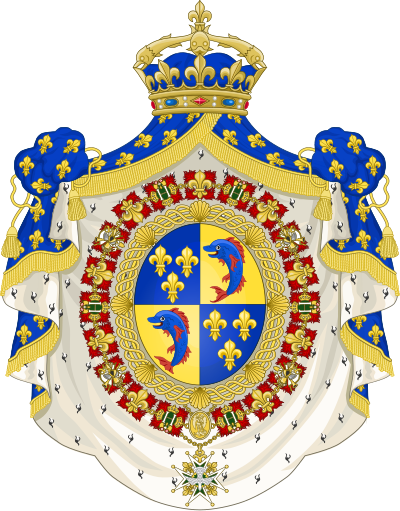

From Feudal Lordship to Royal Designation
The title 'Dauphin' traces its roots not to French royalty, but to the independent feudal lordship of the Dauphiné of Viennois. The rulers of this territory, located in southeastern France, adopted the name 'Dauphin' (derived from the Latin 'delphinus,' meaning dolphin) in the 12th century. This unique title distinguished them from other regional lords.
The region itself became known as the Dauphiné. In 1349, Humbert II, the last Dauphin of Viennois, sold his lands to King Philip VI of France. The following year, Philip VI bestowed the title and lands upon his own son, Charles, thus establishing the tradition of the French heir apparent being known as the Dauphin.
This strategic move integrated the prestigious Dauphiné into the royal domain while creating a distinct and recognizable title for the future king, ensuring a clear line of succession and consolidating royal authority.
The Dauphiné of Viennois
The Dauphiné of Viennois was more than just a geographical area; it was a territory with its own distinct administration and identity. Its strategic location and resources made it a valuable acquisition for the French crown. Initially, the Dauphin was granted the Dauphiné to rule, allowing them to gain practical experience in governance and administration.
This period of direct rule fostered a sense of responsibility and prepared them for the immense task of leading the entire kingdom. Over centuries, however, the direct administration of the Dauphiné by the Dauphin waned, and the title became more symbolic. Nevertheless, the association with this historically significant region continued to imbue the title with prestige and a sense of historical continuity, linking the future monarch to a specific and important part of France's past.
A Symbol of Succession
The formalization of the Dauphin title in 1350 marked a significant development in the French monarchy's succession practices. As the heir apparent, the Dauphin was the living embodiment of the kingdom's future. This clear designation helped to legitimize the monarchy and reduce the potential for dynastic disputes that plagued other European powers.
The title was consistently held by the eldest son of the reigning monarch, though exceptions occurred, such as when the heir died before the king, and the title passed to the king's grandson. The wife of the Dauphin was known as 'la Dauphine,' and she, too, occupied a prominent position within the royal hierarchy, often playing a role in courtly life and diplomacy. The title's longevity, spanning from the mid-14th century to the eve of the French Revolution, underscores its deep integration into the fabric of French royal tradition.
The End of an Era and its Echoes
The title 'Dauphin of France' ceased to be used during the French Revolution in 1791, as the monarchy was abolished. Although the monarchy was briefly restored, the title was only officially used again from 1824 to 1830 during the Bourbon Restoration. The abolition of the title reflected the radical shift in France's political landscape, moving away from hereditary monarchy towards republican ideals.
However, the historical significance of the Dauphin title remains. It represents a crucial period in French history where the concept of a designated heir was central to the stability and continuity of the state. The legacy of the Dauphin is intertwined with the grand narrative of French kingship, a title that once signified not just royal blood, but the promise and anticipation of future rule.
See also
Frequently Asked Questions
What does the word "Dauphin" mean and where did it come from?+
How did the title "Dauphin of France" start?+
What did the Dauphin do when he was a child?+
Who was the Dauphine and what was her role?+
When did the title stop being used and why?+
Based on content from Wikipedia · Licensed under CC BY-SA 4.0