

Cytology: The Amazing World Inside You!
Images

Cytology of normal mesothelium


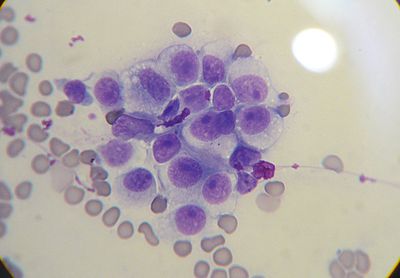


The Cellular Basis of Life
Cytology, often used interchangeably with cell biology, is the scientific discipline dedicated to the comprehensive study of cells. It examines their structure, function, organelles, life cycle, and interactions with their environment. Cells are the fundamental units of life, possessing the capacity for self-organization, metabolism, growth, and reproduction.
Cytology investigates the profound diversity of cell types across different organisms, from prokaryotic bacteria lacking a nucleus to complex eukaryotic cells with specialized compartments. Understanding the intricate molecular machinery within cells is paramount to comprehending all biological phenomena, from the simplest life forms to the most complex multicellular organisms and their physiological processes.
Historical Trajectory
The genesis of cytology can be traced back to the 17th century with the advent of microscopy. Robert Hooke's 1665 publication 'Micrographia' documented his observations of 'cells' in cork, a pivotal moment, though he was observing cell walls. Antonie van Leeuwenhoek's superior microscopes soon revealed living cells, including bacteria, protozoa, and blood cells, laying the groundwork for cell theory. The 19th century saw the formal articulation of cell theory by Schleiden and Schwann, positing that all living things are composed of cells and that the cell is the basic unit of life.
Subsequent advancements, including the development of stains, phase-contrast microscopy, and electron microscopy in the 20th century, progressively unveiled the ultrastructure of organelles and cellular components, transforming cytology into a sophisticated field capable of molecular-level investigation.
The Indispensable Role of Cytology in Modern Medicine
Cytology is an indispensable tool in modern diagnostics and therapeutics. Its application in pathology, particularly in the examination of exfoliated cells (e.g., Pap smears, urine cytology) and fine-needle aspirates, allows for the early detection and diagnosis of various cancers and other diseases. Understanding cellular mechanisms of disease, such as uncontrolled proliferation in cancer or cellular dysfunction in genetic disorders, is the bedrock of developing targeted treatments.
Cytology also informs our understanding of infectious diseases by identifying pathogens within host cells and guides the development of vaccines and antimicrobial agents. Furthermore, research into stem cells and regenerative medicine, heavily reliant on cytological principles, holds immense promise for treating degenerative conditions and injuries.
Investigative Methodologies
Cytologists employ a sophisticated array of techniques to probe cellular architecture and function. Light microscopy, including fluorescence and confocal microscopy, allows for real-time observation of cellular processes and localization of specific molecules using fluorescent probes. Electron microscopy (transmission and scanning) provides unparalleled resolution, revealing intricate details of organelles and macromolecular structures.
Beyond imaging, biochemical assays, cell fractionation, and molecular biology techniques like PCR and Western blotting are used to analyze cellular components and gene expression. Cell culture techniques enable the isolation and manipulation of specific cell types, facilitating controlled experimental studies on cellular behavior, signaling pathways, and responses to stimuli or therapeutic agents.
Cytology's Reach
The impact of cytology extends far beyond clinical diagnostics. It is fundamental to virtually all areas of biological research, including developmental biology, immunology, neuroscience, and genetics. Understanding cell differentiation is key to developmental biology, while immunology relies on studying immune cells.
In neuroscience, cytology investigates neurons and glial cells. Cytology also underpins advancements in biotechnology, such as the production of recombinant proteins using genetically engineered cells, the development of cell-based assays for drug screening, and the creation of artificial tissues and organs. The ongoing exploration of cellular mechanisms continues to drive innovation across science and medicine.
See also
Frequently Asked Questions
What is cytology?+
Why do scientists look at cells with microscopes?+
How can cytology help doctors?+
What tools do cytologists use?+
What can we learn from studying bacteria cells?+
Based on content from Wikipedia · Licensed under CC BY-SA 4.0