

Cutter (boat)
Images
Cutter (boat)
Defining the Cutter
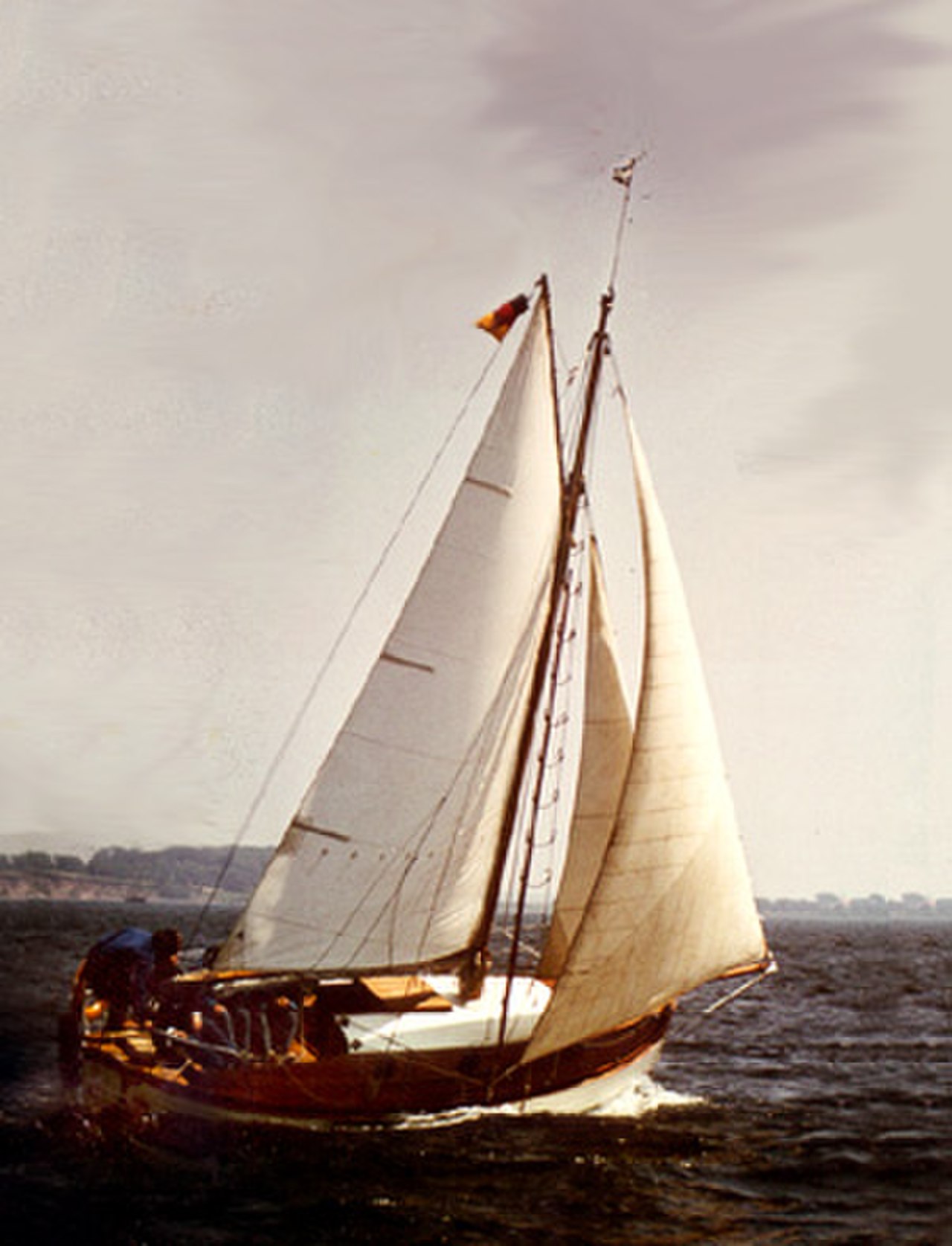
The term 'cutter' in maritime contexts is notably ambiguous, encompassing distinct definitions related to sailing rigs, historical vessel types, and modern governmental vessels. As a sailing rig, a cutter is characterized by a single mast and multiple headsails, though regional variations exist in precise definitions, particularly when compared to a sloop rig. In the United States, for instance, mast placement and bowsprit rigging details can differentiate a cutter from a sloop, even with similar sail plans.
Historically, 'cutter' also referred to a specific type of fast-sailing vessel that emerged in the 18th century, known for its speed and often employed for both civilian (including smuggling) and naval purposes. Furthermore, it denotes a specific type of ship's boat, designed for dual propulsion by sail and oars, and optimized for sailing performance. This historical lineage directly informs the modern usage of 'cutter' for governmental enforcement vessels.
Evolution of the Cutter
The genesis of the cutter as a distinct vessel type can be traced to the early 18th century, coinciding with advancements in sailing technology. Initially, the term primarily described the hull form, emphasizing speed and maneuverability, akin to how 'clipper' would be used later. These early cutters were often rigged as ketches or brigs, but the quintessential configuration, especially for naval and revenue protection duties, featured a single mast supporting a substantial sail area, including both square sails and fore-and-aft sails.
Their inherent speed made them attractive for illicit activities like smuggling. Consequently, naval and coast guard forces adopted cutters themselves, not only to patrol vast stretches of water but also to actively pursue and apprehend vessels engaged in illegal trade. This dual role-being both a tool for illicit activity and a means to combat it-underscores the cutter's historical significance in maritime enforcement and its evolution into a symbol of authority at sea.
The Modern Cutter
In contemporary usage, 'cutter' is most prominently associated with vessels operated by governmental enforcement agencies, such as coast guards and border forces. These are typically robust, seagoing ships, far removed from the single-masted sailboats of the past, though the name persists due to historical precedent. Their fundamental role is the patrolling of territorial waters and the enforcement of national laws and regulations at sea.
This encompasses a wide array of critical missions, including counter-smuggling operations, fisheries enforcement, search and rescue, environmental protection, and national security. Modern cutters are engineered for endurance, capable of remaining at sea for extended periods and withstanding challenging weather conditions. While not all are armed, many are equipped with defensive capabilities to address threats effectively.
The term signifies a vessel dedicated to maintaining order and safety within a nation's maritime domain.
Ship's Boats and Rigging
The definition of a cutter also extends to a specific type of ship's boat, prevalent from the early 18th century. These were typically clinker-built open boats, designed for efficient propulsion by both oars and sail. Compared to contemporary ship's boats like barges or pinnaces, cutters were more optimized for sailing.
A distinctive feature was the 'washstrake,' an added plank around the gunwale to increase freeboard and prevent water ingress. Crucially, this washstrake was pierced with rowlock cut-outs, allowing the thwarts (seats) to be positioned lower. This design facilitated a more efficient rowing geometry without compromising stability or requiring unusually high seating.
In terms of sailing rigs, the cutter configuration is defined by its single mast and the presence of two or more headsails, often including a staysail set between the mast and the forestay, and a jib set forward of the forestay. This arrangement allows for a large sail area forward of the mast, contributing to its historical reputation for speed and maneuverability.
Enduring Legacy and Related Maritime Concepts
The enduring legacy of the cutter lies in its adaptability and historical association with speed and enforcement. From its origins as a fast sailing vessel that could be used for both illicit trade and its interception, the term has evolved to represent the primary platform for maritime law enforcement. This evolution highlights a continuous need for capable vessels that can operate effectively in challenging marine environments.
Related maritime concepts include the sloop, which typically features a single mast but only one headsail, and the ketch or yawl, which have two masts. The historical use of cutters also connects to broader themes of naval architecture, the development of maritime trade, and the ongoing efforts to regulate and secure international waters. The modern cutter, therefore, is not merely a boat but a symbol of sovereignty and security on the world's oceans.
See also
Frequently Asked Questions
What is a cutter in boats?+
Why were early cutters used for smuggling?+
How do modern government cutters differ from old sailing cutters?+
Where do cutters patrol?+
What does a cutter look like when it is a small ship's boat?+
Based on content from Wikipedia · Licensed under CC BY-SA 4.0