

Cricket Pitch: The Heart of the Game!
Images

Cricket pitch





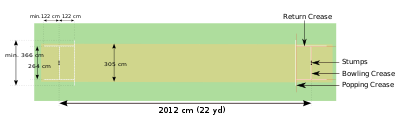


The Pitch as a Strategic Nexus
The cricket pitch, a meticulously defined rectangular strip measuring 22 yards (20.12 meters) by 10 feet (3.05 meters), serves as the absolute focal point of a cricket match. It is not merely a playing surface but a dynamic entity whose condition profoundly influences the game's trajectory. Unlike many sports where the playing area remains constant, the cricket pitch undergoes significant changes throughout a match, particularly in longer formats like Test cricket.
The surface can transition from firm and grassy to dry, dusty, or even cracked, altering the ball's bounce, pace, and spin. This inherent variability means that the pitch itself becomes a strategic consideration, demanding adaptability from players and influencing tactical decisions made by captains. The Laws of Cricket acknowledge this by generally prohibiting repairs during play, allowing natural wear to dictate conditions, thereby adding a layer of complexity and unpredictability.
The Physics and Tactics of Pitch Behavior
The interaction between the ball and the pitch is governed by physics, and understanding this is key to appreciating cricket strategy. A dry, abrasive pitch increases friction, allowing spin bowlers to impart significant revolutions on the ball, leading to sharp turns and deceptive variations. Conversely, a moist, grassy pitch, often referred to as a 'green top,' offers greater seam movement and swing due to reduced friction and increased moisture content, favoring fast bowlers.
This differential behavior directly impacts the coin toss decision; a captain might choose to bat first on a hard, flat pitch expected to offer good batting conditions throughout, or elect to bowl on a surface anticipated to deteriorate and become more challenging for batters later. The pitch's condition can also dictate the type of bowling attack a team employs, with a dry pitch favoring spinners and a damp one encouraging pacers.
Governance, Integrity, and the 'Behaving' Pitch
The critical role of the pitch in determining match outcomes necessitates strict governance. Governing bodies monitor pitch conditions to ensure they are safe and conducive to fair play. Pitches deemed dangerous, where the ball behaves erratically or excessively, can lead to severe sanctions against the home team, including fines or loss of competition points.
Deliberate damage or alteration of the pitch by players is a serious offense, subject to disciplinary action. The concept of a pitch 'behaving' is a common idiom in cricket commentary, reflecting the understanding that the surface develops its own character and challenges over time. This evolving nature is particularly pronounced in first-class and Test cricket, where matches span multiple days, allowing the pitch's transformation to become a central narrative element and a significant factor in the strategic battle between bat and ball.
A Sport of Nuance and Tradition
Cricket is a bat-and-ball game played between two teams, each typically comprising eleven players. The fundamental objective is for the batting team to score runs, primarily by hitting a ball delivered by a bowler and then completing a run between two sets of wickets, while the fielding team aims to dismiss batters and restrict scoring. The pitch is the designated central strip where the bowler delivers the ball and the batter attempts to strike it.
Traditional cricket grounds are often oriented with the pitch running approximately north-south. This alignment is a historical consideration, designed to prevent the low afternoon sun from directly dazzling batters facing west, thereby ensuring better visibility and a fairer contest.
See also
Based on content from Wikipedia · Licensed under CC BY-SA 4.0