

COVID-19 Pandemic: The Sneaky Germ That Changed the World!
Images
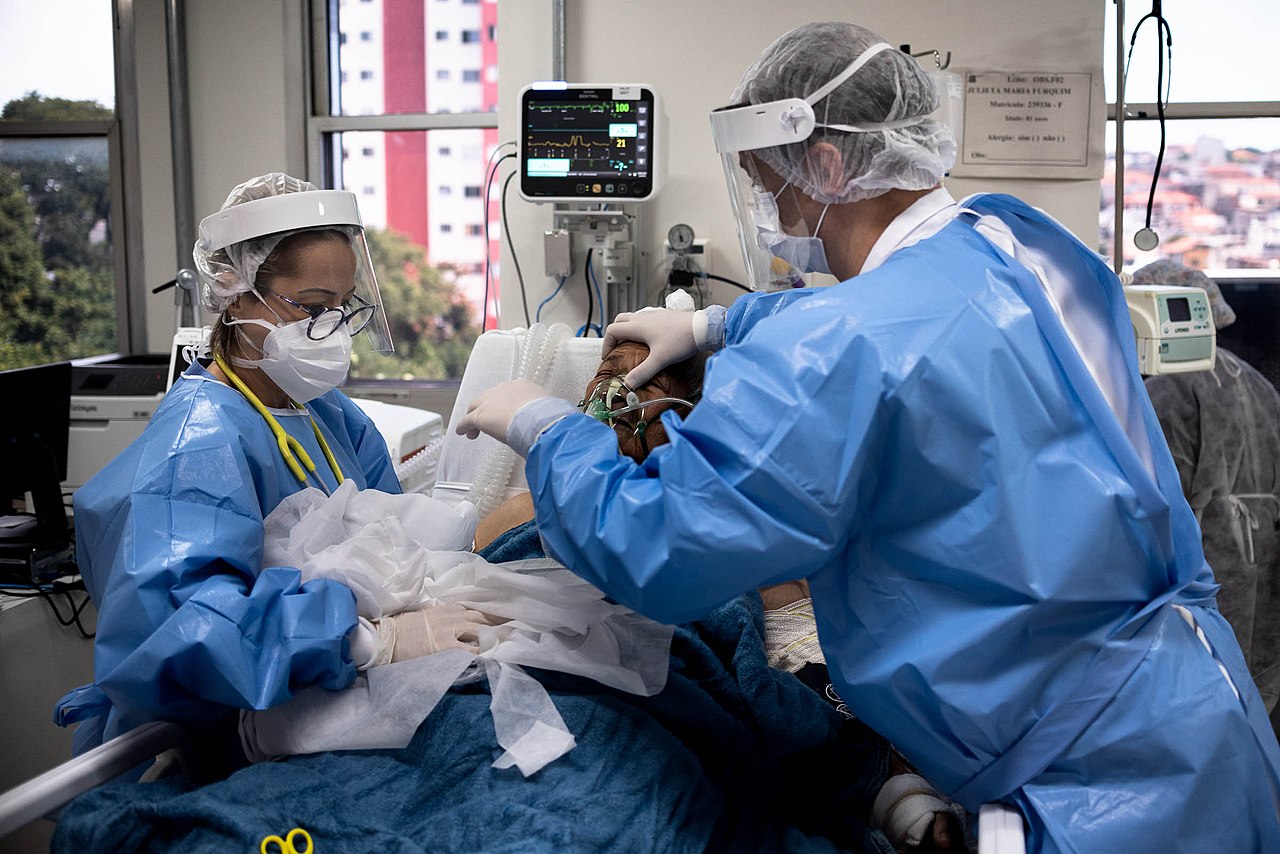
COVID-19 pandemic
Genesis and Early Spread
The COVID-19 pandemic, caused by the SARS-CoV-2 virus, first emerged in Wuhan, China, in late 2019. Genetic sequencing revealed it to be a novel coronavirus, closely related to bat coronaviruses, suggesting a zoonotic origin. The initial cluster of cases was linked to the Huanan Wholesale Seafood Market, a venue where live wild animals were sold, pointing towards an intermediate animal host facilitating the spillover event into the human population.
The virus's efficient human-to-human transmission, primarily through respiratory droplets and aerosols, allowed it to spread rapidly within the densely populated city. Early containment efforts were challenged by the virus's novelty and the asymptomatic or pre-symptomatic shedding of the virus by infected individuals, making detection and isolation difficult.
The Pandemic's Trajectory
Within weeks, SARS-CoV-2 transcended its origins to become a global epidemic, and subsequently, a pandemic. The interconnectedness of the modern world, facilitated by international travel, proved to be a critical factor in its swift dissemination. By March 2020, the World Health Organization (WHO) declared COVID-19 a pandemic, signifying its widespread global reach and significant public health threat.
This declaration triggered unprecedented responses worldwide, including lockdowns, travel restrictions, and the widespread implementation of public health measures such as mask mandates and social distancing protocols. The pandemic's trajectory was marked by successive waves of infection, driven by viral evolution, waning immunity, and varying public health responses.
The Molecular Machinery of SARS-CoV-2 and its Pathogenesis
SARS-CoV-2 is an enveloped RNA virus characterized by its distinctive crown-like spikes (S proteins) on its surface, which are crucial for viral entry into host cells. The S protein binds to the angiotensin-converting enzyme 2 (ACE2) receptor on human cells, particularly in the respiratory tract, enabling the virus to infect them. Once inside, the virus hijacks the host cell's machinery to replicate its RNA genome and produce viral proteins, leading to the assembly of new virions.
Pathogenesis involves an inflammatory response, which can range from mild flu-like symptoms to severe pneumonia, acute respiratory distress syndrome (ARDS), and multi-organ failure. The virus's ability to infect various cell types contributes to a wide spectrum of clinical manifestations and long-term sequelae, often referred to as 'long COVID'.
Global Response and Scientific Innovation
The global scientific community mobilized with extraordinary speed to combat the pandemic. This included rapid development and deployment of diagnostic tests, extensive epidemiological surveillance, and, most critically, the creation of vaccines. Utilizing novel platforms like mRNA and viral vector technology, vaccines were developed and authorized for emergency use in less than a year, a remarkable feat.
These vaccines proved highly effective in preventing severe illness, hospitalization, and death. Alongside vaccines, research focused on therapeutics, including antiviral drugs and monoclonal antibodies, to treat infected individuals and mitigate disease severity. The pandemic underscored the importance of global health infrastructure, scientific collaboration, and equitable access to medical countermeasures.
Societal and Economic Ramifications
The COVID-19 pandemic exerted profound and far-reaching impacts on global society and economies. Lockdowns and restrictions led to widespread disruption of daily life, including the closure of schools and businesses, and a dramatic shift towards remote work and online learning. The pandemic exacerbated existing social inequalities, disproportionately affecting vulnerable populations.
Economically, it triggered a global recession, supply chain disruptions, and significant shifts in consumer behavior. The pandemic also highlighted the critical role of public health systems, the challenges of misinformation, and the need for resilient infrastructure to face future global health crises. The long-term consequences continue to unfold, shaping public policy, healthcare priorities, and societal norms.
Go deeper
Frequently Asked Questions
What is COVID-19?+
Where did the COVID-19 virus first appear?+
How does the COVID-19 virus spread?+
Why did scientists make vaccines so quickly?+
What are some of the long‑term effects of COVID-19?+
Based on content from Wikipedia · Licensed under CC BY-SA 4.0