

COVID-19
Images

COVID-19
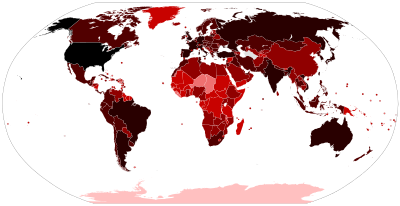


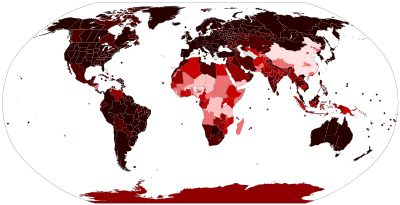


The Genesis of a Novel Coronavirus
The emergence of COVID-19, a disease caused by the novel coronavirus SARS-CoV-2, marked a significant global health event. First identified in Wuhan, China, in December 2019, the prevailing scientific consensus points to a natural zoonotic origin, where the virus likely transferred from an animal reservoir to human hosts. This spillover event is consistent with patterns observed in previous coronavirus outbreaks like SARS-CoV-1 and MERS-CoV.
Factors such as environmental changes, habitat destruction, and wildlife trade are believed to have increased the probability of such cross-species transmission. The rapid dissemination of SARS-CoV-2 globally led to its classification as a pandemic, profoundly impacting public health systems and daily life worldwide.
Pathogenesis and Clinical Manifestations
SARS-CoV-2 primarily targets the respiratory system, but its effects can be systemic. The incubation period typically ranges from one to 14 days, with a median of around five days. Clinical presentations vary widely; a significant portion of infected individuals, estimated at least one-third, remain asymptomatic but are still capable of viral transmission.
Symptomatic cases range from mild to critical. Mild to moderate illness, often presenting as pneumonia, affects the majority of symptomatic patients (81%). A smaller percentage (14%) experience severe symptoms, characterized by dyspnea, hypoxia, or significant lung involvement on imaging.
The most critical cases (5%) develop respiratory failure, shock, or multi-organ dysfunction. Older individuals and those with underlying health conditions face a higher risk of severe outcomes and mortality. Long-term effects, termed 'long COVID,' are also being studied, with some individuals experiencing persistent symptoms for months or years.
Mechanisms of Transmission and Viral Spread
Transmission of SARS-CoV-2 occurs primarily through respiratory droplets and aerosols expelled when an infected person coughs, sneezes, speaks, or breathes. Inhalation of these particles is the main route of infection, with close proximity increasing risk. However, the virus can also remain viable in aerosols, allowing for airborne transmission over longer distances, particularly in poorly ventilated indoor environments. Indirect transmission can occur when individuals touch contaminated surfaces and then transfer the virus to their eyes, nose, or mouth.
Viral shedding can persist for up to 20 days, and contagious individuals may be asymptomatic or presymptomatic, complicating containment efforts. Understanding these transmission dynamics is crucial for implementing effective public health interventions.
Diagnostic Tools and Therapeutic Strategies
Accurate and rapid diagnosis is fundamental to managing the pandemic. Nucleic acid amplification tests, such as RT-PCR, RT-LAMP, and transcription-mediated amplification, are the gold standard for detecting viral genetic material from nasopharyngeal swabs. Beyond diagnostics, significant scientific effort has been directed towards developing countermeasures.
Numerous COVID-19 vaccines have been approved and deployed globally through mass vaccination campaigns, proving highly effective in preventing severe disease and reducing transmission. While antiviral therapies targeting viral replication have been developed, the primary treatment for COVID-19 remains supportive care, managing symptoms, and addressing complications. Isolation of infected individuals is also a key component of control strategies.
Societal and Environmental Interconnections
The COVID-19 pandemic has highlighted the intricate links between human health, environmental factors, and societal structures. The increased likelihood of zoonotic spillover events is often exacerbated by human activities that encroach upon natural ecosystems and alter biodiversity. Climate change, deforestation, and the global trade of wildlife create conditions ripe for the emergence and spread of novel pathogens. The pandemic's global reach has also underscored the interconnectedness of nations and the critical need for international cooperation in public health surveillance, research, and response.
Furthermore, the crisis has spurred advancements in vaccine technology and public health infrastructure, offering lessons for future pandemic preparedness.
See also
Frequently Asked Questions
What is COVID-19 and where did it start?+
How does the COVID-19 virus spread?+
Can someone with COVID-19 feel sick or be sick?+
Why are older people or people with other illnesses more at risk?+
How do doctors find out if someone has COVID-19?+
Based on content from Wikipedia · Licensed under CC BY-SA 4.0