

The Continental Shelf: Earth's Underwater Edge!
Images
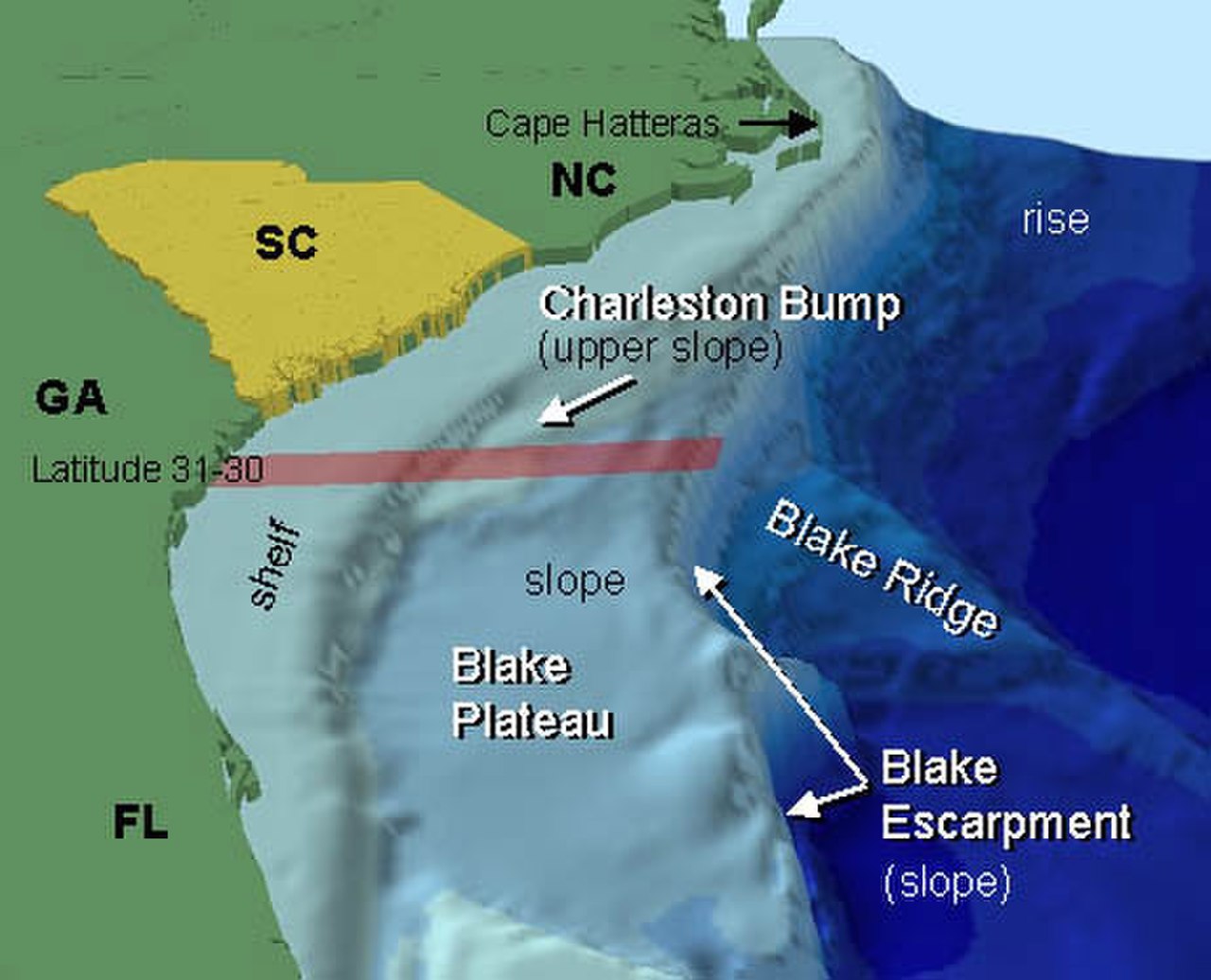
Continental shelf


Geomorphology and Formation of the Shelf
The continental shelf represents the submerged edge of a continent, characterized by its relatively shallow depth and gentle gradient. It is essentially a flooded extension of the continental landmass, typically extending seaward for tens to hundreds of kilometers. Its formation is a complex interplay of tectonic activity, sea-level fluctuations, and sediment deposition.
During periods of glaciation, significant portions of the continental shelf were exposed as sea levels dropped by as much as 120 meters, revealing landscapes that are now submerged. These exposed shelves acted as terrestrial plains, influencing drainage patterns and providing pathways for faunal and floral migration. The modern shelf is largely a product of post-glacial transgression, where rising sea levels inundated these previously exposed areas.
The average depth of the shelf break, where the gradient steepens dramatically into the continental slope, is around 130 meters, though this can vary.
Ecological Significance and Biodiversity Hotspots
The continental shelf is one of the most biologically productive regions on Earth. Its shallow depth allows sunlight to penetrate to the seafloor, supporting extensive benthic communities and phytoplankton blooms, which form the base of complex food webs. These nutrient-rich waters are vital habitats for a vast array of marine life, including commercially important fish stocks, marine mammals, seabirds, and invertebrates.
Many species utilize the shelf for feeding, breeding, and as nursery grounds. The biodiversity of the continental shelf is immense, ranging from microscopic plankton to large predators. However, these ecosystems are increasingly vulnerable to anthropogenic pressures such as overfishing, pollution, habitat destruction, and climate change, making their conservation a global priority.
Economic Resources and Geopolitical Importance
Continental shelves are not only ecologically vital but also economically significant. They are rich in natural resources, including vast deposits of oil and natural gas, which are extracted through offshore drilling operations. The shelves also contain significant mineral deposits, such as sand, gravel, and polymetallic nodules.
Fisheries on the continental shelf are a major source of food and employment worldwide. Due to their economic value, the extent of the continental shelf is of significant geopolitical importance. Under the United Nations Convention on the Law of the Sea (UNCLOS), coastal states have sovereign rights over their continental shelf for resource exploration and exploitation, extending up to 200 nautical miles from the coast, or further if the geological evidence supports it.
Paleoclimatic Archives and Geological History
The sediments accumulated on the continental shelf serve as invaluable archives of Earth's past climate and geological history. By analyzing sediment cores, scientists can reconstruct past sea levels, ocean temperatures, and atmospheric conditions over millennia. These records provide critical data for understanding long-term climate cycles, the impact of ice ages, and the rate of sea-level change.
The geological structures and sedimentary layers also offer insights into tectonic processes, erosion, and depositional environments that have shaped the Earth's surface. Studying the transition from the shelf to the continental slope and rise reveals how terrestrial materials are transported to the deep ocean, influencing oceanographic processes and the global carbon cycle.
The Continental Margin
The continental shelf is the innermost part of the continental margin, a broader zone that connects the continental crust to the oceanic crust. Following the shelf is the continental slope, a much steeper incline that marks the true edge of the continent. This slope can descend thousands of meters to the abyssal plain.
At the base of the slope lies the continental rise, a gently sloping wedge of accumulated sediments transported from the continent via turbidity currents and other processes. This entire margin system is a dynamic zone of sediment transport and deposition, playing a crucial role in the geological evolution of coastlines and ocean basins. The interplay between the shelf, slope, and rise shapes ocean currents and influences the distribution of marine life.
Go deeper
Frequently Asked Questions
What is the continental shelf?+
Why is the continental shelf important for fish and other sea animals?+
How do scientists learn about Earth's past from the continental shelf?+
Where do people find oil and gas on the continental shelf?+
Are the continental shelves safe from pollution and overfishing?+
Based on content from Wikipedia · Licensed under CC BY-SA 4.0