

Constipation: When Your Tummy Feels Stuck!
Images

Biliousine is a sure cure for sick headache, dyspepsia, constipation, indigestion, sour stomach, heartburn &c. - Dolly's got sepsia. (back)


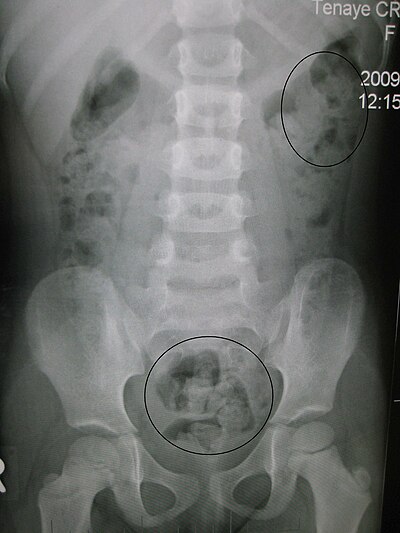


The Physiology of Stalled Transit
Constipation, medically defined as a bowel dysfunction characterized by infrequent stools or difficulty passing them, represents a significant disruption in the normal transit of colonic contents. The underlying mechanism often involves a reduction in the frequency of defecation or an increase in stool hardness and dryness, stemming from prolonged transit time within the colon. This extended sojourn allows for excessive water reabsorption, transforming a normally pliable mass into a desiccated, difficult-to-expel bolus.
Beyond the primary symptom, individuals may experience associated discomforts such as abdominal pain, bloating, and a persistent sensation of incomplete evacuation. These symptoms can significantly impact quality of life, leading to avoidance of social situations and emotional distress. Understanding the nuances of colonic motility and stool formation is crucial to appreciating the complexity of this condition.
A Multifactorial Etiology
The causes of constipation are remarkably diverse, spanning lifestyle factors to complex underlying medical conditions. At the forefront are issues with colonic motility, such as slow transit constipation, and functional gastrointestinal disorders like Irritable Bowel Syndrome (IBS-C). Pelvic floor dysfunction, where the muscles involved in defecation do not coordinate properly, is another significant contributor.
Systemic diseases also play a critical role; conditions like hypothyroidism, Parkinson's disease, and diabetes can all impair neuromuscular control of the bowel. Furthermore, certain medications are notorious for inducing constipation, with opioids being a prime example, affecting up to 90% of users. Anticholinergics, calcium channel blockers, and certain antacids can also contribute.
The interplay between these factors necessitates a thorough diagnostic approach to identify the root cause.
Red Flags and Diagnostic Considerations
While constipation is often benign, certain clinical indicators warrant heightened vigilance and prompt medical evaluation. The presence of 'alarm symptoms' such as unintentional weight loss, rectal bleeding, anemia, or a family history of colorectal cancer or inflammatory bowel disease signals the potential for a more serious underlying pathology. New onset constipation in an elderly individual is also a critical sign that requires investigation.
These red flags prompt clinicians to consider differential diagnoses beyond simple functional constipation, including structural abnormalities, metabolic derangements, or malignancy. A comprehensive history, physical examination, and potentially further investigations like colonoscopy are essential in these cases to rule out sinister causes.
Therapeutic Strategies
Management of constipation is typically stratified based on the underlying cause and chronicity. Initial interventions focus on conservative measures: ensuring adequate hydration, increasing dietary fiber intake through fruits, vegetables, and whole grains, and promoting regular physical activity. These lifestyle modifications are foundational. If these measures prove insufficient, pharmacological interventions are introduced.
Bulk-forming agents and stool softeners are often the first line of medication. Osmotic laxatives are also commonly used. Stimulant laxatives are generally reserved for more refractory cases due to potential for dependence. For specific types of constipation, such as pelvic floor dysfunction, biofeedback therapy can be highly effective.
Surgical intervention remains a rare option for severe, intractable cases that have failed all other treatments.
The Global Burden and Economic Impact
Constipation represents a significant public health issue with a substantial economic burden. Epidemiological studies reveal a wide prevalence range, from 2% to 30% in the general population, escalating dramatically in institutionalized elderly individuals to 50-75%. This widespread nature translates into considerable healthcare expenditures.
In the United States alone, over $250 million is spent annually on medications specifically for constipation. This figure underscores the societal impact of this condition, not only in terms of direct medical costs but also in lost productivity and reduced quality of life for millions affected globally. Public health initiatives aimed at promoting healthy dietary habits and regular exercise are vital in mitigating this burden.
See also
Frequently Asked Questions
What causes constipation in kids?+
Why does constipation make my tummy hurt?+
How can I help my tummy move better?+
When should I tell a grown‑up about constipation?+
Are there medicines that can help?+
Based on content from Wikipedia · Licensed under CC BY-SA 4.0