

Conservative Judaism
Images
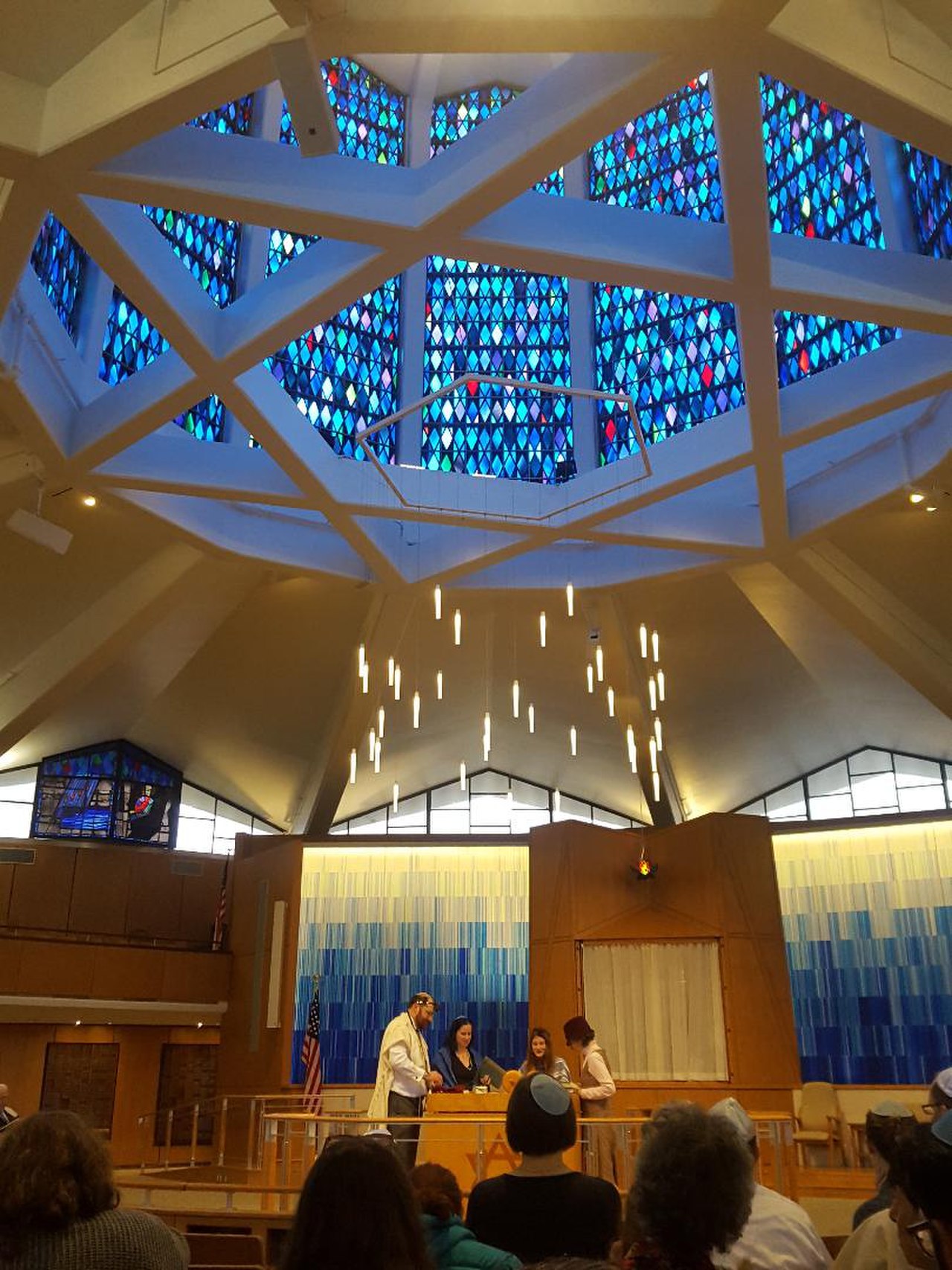
Conservative Judaism
Theological Underpinnings
Conservative Judaism emerged as a distinct movement in the late 19th and early 20th centuries, primarily in response to the challenges and opportunities presented by modernity. Its theological foundation rests on the principle of 'Catholic Israel,' the belief that the Jewish people as a whole are the ultimate interpreters of Jewish law. This means that while rabbinic authority and tradition are highly respected, the collective will and evolving understanding of the Jewish community are central to the development of practice.
The movement affirms the divine origin of the Torah but also accepts the historical development of Jewish law and the need for its adaptation. This nuanced approach allows for a commitment to Halakha that is both deeply traditional and responsive to contemporary ethical and social considerations, distinguishing it from more fundamentalist or liberal interpretations.
Historical Trajectory
The intellectual roots of Conservative Judaism can be traced to the 'Positive Historical School' of Jewish scholarship, which sought to understand Judaism as a historical phenomenon that evolved over time. Key figures like Zacharias Frankel advocated for a Judaism that was both historically grounded and forward-looking. The establishment of institutions like the Jewish Theological Seminary in New York in 1886 was pivotal, providing an academic and spiritual center for the movement.
Initially, it aimed to train rabbis who could bridge the gap between traditional learning and modern scholarship. Over the 20th century, Conservative Judaism grew significantly, becoming a major force in American Jewish life, characterized by its emphasis on Hebrew language, traditional liturgy, and a structured approach to Jewish observance that appealed to a broad segment of the Jewish population seeking an alternative to both extreme Orthodoxy and Reform's more radical departures.
The Significance of Conservative Judaism in the Contemporary Jewish Landscape
Conservative Judaism occupies a vital space in the modern Jewish world, serving as a crucial anchor for many who seek a meaningful connection to their heritage without feeling constrained by the strictures of Orthodoxy. It provides a robust framework for Jewish identity that integrates religious observance, intellectual engagement, and communal participation. By emphasizing the importance of Jewish law (Halakha) while allowing for its dynamic interpretation, the movement offers a path that is both deeply rooted in tradition and relevant to the challenges of contemporary life.
This balance has made it particularly appealing to families and individuals navigating the complexities of secular society, ensuring the continuity of Jewish tradition through thoughtful adaptation and engagement.
Halakha in Practice
The Conservative movement's approach to Halakha is characterized by a commitment to its binding nature, coupled with a methodology for its adaptation. This involves rigorous study of classical Jewish legal sources, alongside an awareness of historical development and contemporary ethical imperatives. Decisions regarding Jewish law are made by rabbinic bodies, such as the Committee on Jewish Law and Standards of the Rabbinical Assembly, which issue responsa that guide practice.
Examples of this adaptive approach include the movement's decisions on issues of patrilineal descent, the ordination of women rabbis and cantors, and the acceptance of the use of electricity on Shabbat. These developments reflect a belief that Jewish law is a living tradition, capable of responding to new circumstances while remaining faithful to its core principles.
Communal Life and Global Reach
Conservative Judaism is not solely defined by its theological stances or legal rulings; it is also a vibrant communal movement. Synagogues serve as the primary centers for religious life, offering a full spectrum of services, educational programs, and social activities. Beyond the local congregation, the movement encompasses a wide array of institutions dedicated to Jewish education, social justice, and support for Israel.
These include day schools, summer camps, youth movements (like United Synagogue Youth), and organizations focused on social action. This extensive network fosters a strong sense of collective identity and purpose, enabling Conservative Jews to engage with their tradition and contribute to the wider world through a shared commitment to Jewish values and continuity.
Go deeper
Frequently Asked Questions
What is Conservative Judaism?+
Why did Conservative Judaism start?+
How does Conservative Judaism decide what rules to follow?+
Where did Conservative Judaism grow the most?+
What makes Conservative Judaism different from other Jewish groups?+
Based on content from Wikipedia · Licensed under CC BY-SA 4.0