

Congo Peafowl: Africa's Hidden Jewel!
Images

congo peacock, congo peafowl, paon du congo, pavão-congolês, pavo real del congo
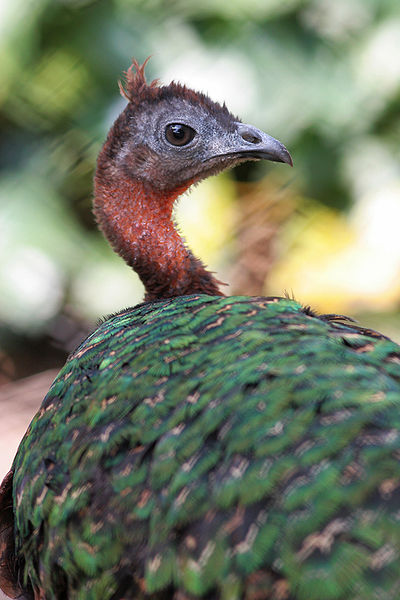


A Unique Evolutionary Branch in the Pavoninae Subfamily
The Congo peafowl (Afropavo congensis) stands as a remarkable testament to evolutionary divergence, being the only member of the subfamily Pavoninae found on the African continent. Its discovery in the early 20th century was a significant event in ornithology, revealing a distinct lineage of peafowl that had remained hidden within the dense rainforests of the Congo Basin. Unlike its Asian counterparts, the Congo peafowl exhibits subtle yet distinct morphological and behavioral differences, adapted to its specific environment.
Males possess a deep blue-black plumage with iridescent green and bronze markings, and a distinctive crest of wire-like feathers. Females are more subdued, with olive-green and brown plumage, providing excellent camouflage. This species represents a crucial piece in understanding the broader evolutionary history of Galliformes.
Ecological Niche and Habitat Specificity
The habitat of the Congo peafowl is intrinsically linked to the lowland tropical rainforests of the Congo Basin, a region characterized by high humidity, dense canopy cover, and a rich understory. These birds are primarily terrestrial, foraging on the forest floor for a diverse diet. Their preferred environment includes areas with abundant leaf litter, which harbors insects and other invertebrates, as well as fruiting trees and seed-bearing plants.
While they spend most of their time on the ground, their ability to fly allows them to escape predators and roost in trees, offering a crucial survival advantage. The integrity of this specific rainforest ecosystem is paramount to the species' survival, as fragmentation and degradation directly impact their foraging grounds and breeding success.
Dietary Adaptations and Foraging Strategies
As omnivores, Congo peafowl exhibit flexible dietary habits that are opportunistic and seasonally influenced. Their diet comprises a wide array of food items, including seeds, fruits, berries, leaves, and various invertebrates such as insects, spiders, and earthworms. They may also consume small vertebrates like frogs and lizards when available.
Their foraging strategy involves actively scratching through the forest floor with their strong legs and feet, uncovering hidden food sources. This behavior is essential for obtaining the necessary nutrients and energy to sustain their metabolic needs, particularly during breeding seasons or periods of food scarcity. Understanding their diet is key to appreciating their role within the forest food web.
Conservation Imperatives and Future Outlook
The Congo peafowl is currently classified as Near Threatened on the IUCN Red List, a designation that underscores the vulnerability of its population. The primary driver of this status is extensive habitat loss and degradation due to deforestation for agriculture, logging, and mining within the Congo Basin. Poaching also poses a threat in some areas. Effective conservation strategies must address these multifaceted challenges, focusing on habitat protection and restoration, community engagement to reduce human-wildlife conflict, and anti-poaching efforts.
The continued existence of Afropavo congensis is not only important for its intrinsic value but also as an indicator of the health of one of the world's most critical rainforest ecosystems. International cooperation and local stewardship are vital for its long-term survival.
See also
Based on content from Wikipedia · Licensed under CC BY-SA 4.0