

Conakry: Guinea's Amazing Capital!
Images
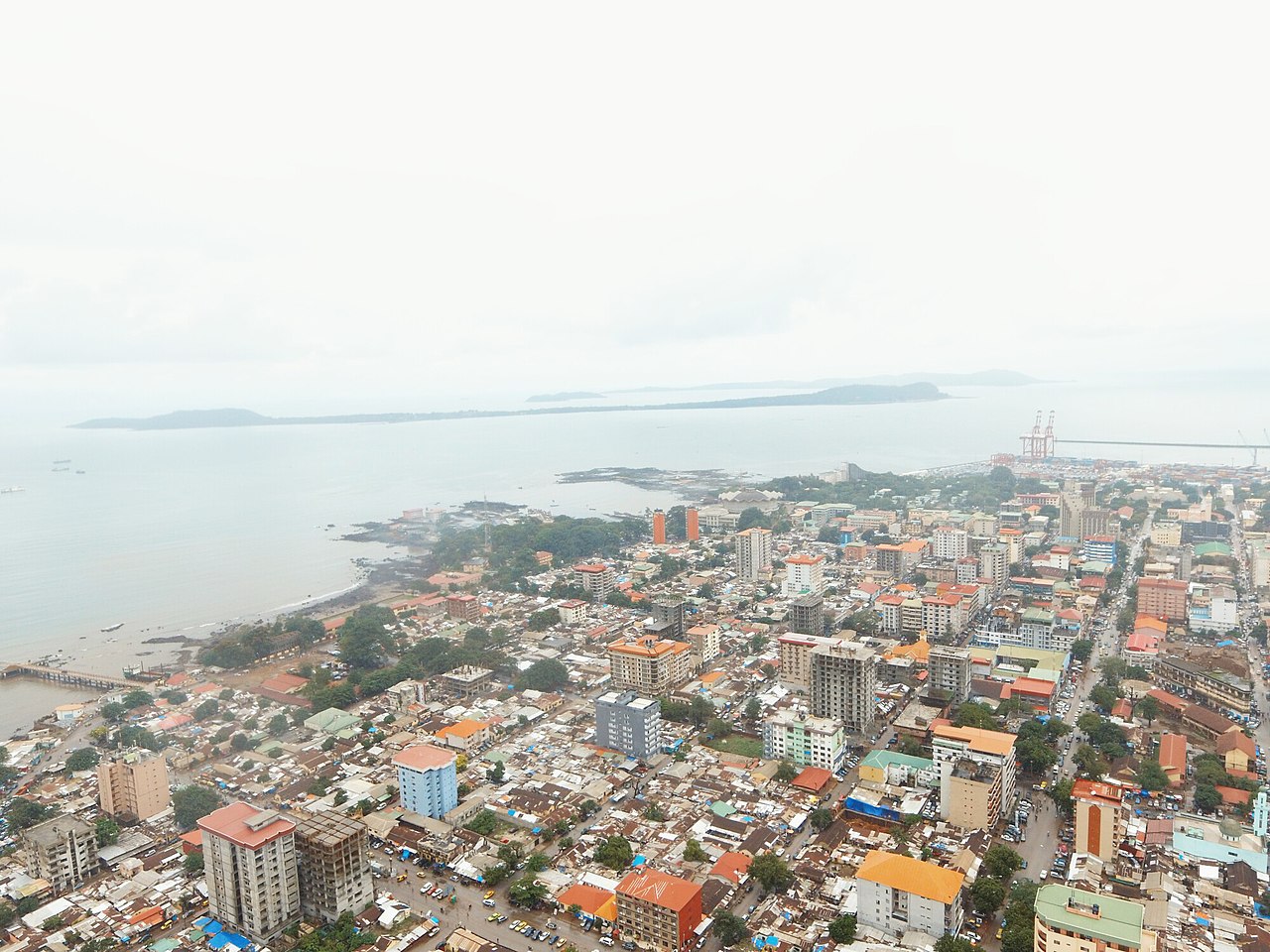
Conakry


Geostrategic Location and Urban Morphology
Conakry's geographical setting is fundamental to its identity and function. Situated on the Tombo Island peninsula and extending onto the mainland of the Camaran Peninsula, it commands a strategic position on the Atlantic coast of West Africa. This coastal access has historically shaped its development as a primary port, facilitating international trade and acting as Guinea's principal gateway to the global economy.
The city's urban morphology is a complex interplay of its island origins and mainland expansion, characterized by a dense urban core and sprawling peripheral areas. Its tropical savanna climate features distinct wet and dry seasons, influencing urban planning and infrastructure. The proximity to major shipping lanes and its role as a natural harbor are key assets that underpin its economic significance and geopolitical relevance within the region.
Historical Trajectory
The history of Conakry is intrinsically linked to French colonial expansion in West Africa. Established in 1849, it rapidly evolved from a small trading post into a significant administrative and commercial center under French rule. Its strategic importance grew as it became the capital of French Guinea, a role it retained after Guinea's declaration of independence in 1958.
This transition marked a shift from colonial administration to national governance, with Conakry solidifying its position as the political, economic, and cultural heart of the newly sovereign nation. The post-independence era has seen continuous urban development and population growth, reflecting the challenges and opportunities of nation-building in a post-colonial context, with the city serving as the focal point for national development initiatives and political discourse.
Sociocultural Dynamics and Linguistic Diversity
Conakry is a vibrant microcosm of Guinea's rich ethnic and cultural diversity. While French serves as the official language of government, commerce, and higher education, the city is a dynamic arena where numerous indigenous languages, including Susu, Pular, Maninka, and Kissi, are actively spoken. This linguistic pluralism fosters a complex social fabric, influencing cultural practices, artistic expressions, and interpersonal dynamics.
The city is a significant center for arts and culture, hosting national museums, galleries, and a thriving music scene that has produced internationally recognized artists. The daily life of Conakry's residents is a testament to this diversity, characterized by bustling markets, active social gatherings, and a palpable sense of community that bridges ethnic and linguistic divides, contributing to its unique urban identity.
Economic Powerhouse and Development Challenges
As Guinea's undisputed economic and financial epicenter, Conakry plays a pivotal role in the nation's development. Its status as a major deep-water port is crucial for the export of Guinea's vast mineral wealth, particularly bauxite, iron ore, and diamonds, as well as for the import of essential goods. The city hosts the headquarters of major financial institutions, government ministries, and a growing tertiary sector, including telecommunications and services.
However, Conakry also faces significant development challenges, including rapid urbanization, infrastructure deficits, and the need for sustainable economic diversification. The city's economic trajectory is closely tied to global commodity prices and Guinea's ability to attract foreign investment and implement sound economic policies, making it a critical locus for national progress and stability.
Governance and Urban Management
The governance of Conakry is structured within the national framework of the Republic of Guinea. As the capital, it houses the primary institutions of the executive, legislative, and judicial branches of government. The city is administered by a governor and municipal councils, responsible for urban planning, public services, and local development initiatives.
However, managing a rapidly growing urban population and addressing infrastructural needs presents ongoing challenges. Effective urban planning, resource allocation, and citizen participation are crucial for Conakry to evolve into a sustainable and resilient capital city. Its role extends beyond mere administration; it is the stage for national political dialogue and the implementation of policies that shape the future of Guinea.
Go deeper
Frequently Asked Questions
What is Conakry and where is it located?+
Why is Conakry important for trade?+
How did Conakry become the capital?+
What languages are spoken in Conakry?+
What challenges does Conakry face today?+
Based on content from Wikipedia · Licensed under CC BY-SA 4.0