

Comté cheese
Images
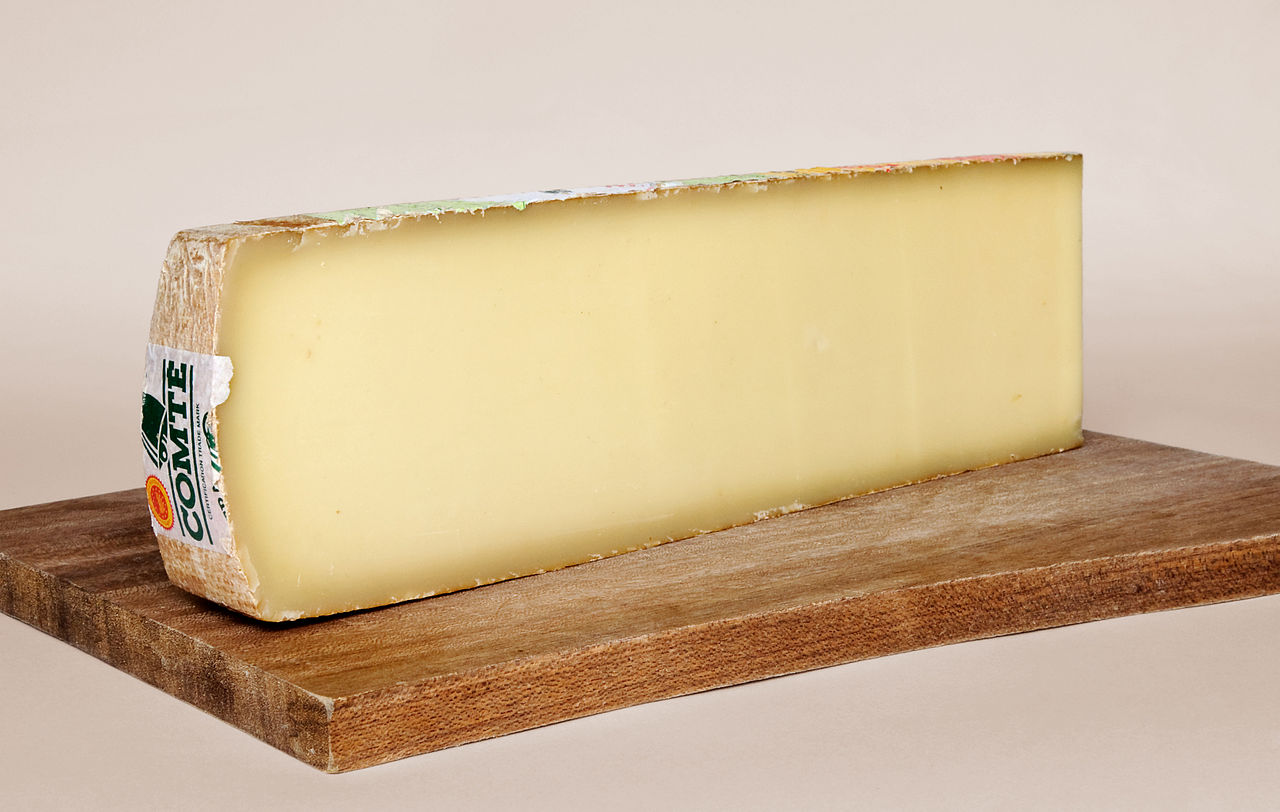
Comte AOP


The Genesis and Evolution of Comté's Protected Status
Comté cheese, originating from the Franche-Comté region of eastern France, represents a pinnacle of French cheese-making tradition and a prime example of the success of the Appellation d'origine contrôlée (AOC) system. Its history is deeply intertwined with the pastoral landscape of the Jura Mountains, where the practice of making large-format, long-aged cheeses from raw milk has persisted for centuries.
The establishment of the AOC for Comté in 1958 was a pivotal moment, formalizing the stringent production standards designed to protect its unique identity and quality. These regulations dictate everything from the breed of cows (primarily Montbéliarde and French Simmental) and their diet (grazing on local pastures, with limited access to supplementary feed) to the specific cheesemaking techniques and the aging process. The region's proximity to Switzerland has also influenced its culinary heritage, sharing similarities in cheese production styles.
Comté's status as the highest-producing AOC cheese in France, with an annual output of approximately 65,000 tonnes, underscores its economic and cultural significance, making it a vital component of the regional economy and a celebrated ambassador of French gastronomy worldwide.
Terroir and Transformation
The distinctive flavor profile of Comté is a direct result of its unique terroir – the combination of the Franche-Comté environment, the specific breeds of cows, and the traditional cheesemaking process. The unpasteurized milk is crucial; it contains a rich diversity of indigenous microflora that contribute to the cheese's complex aroma and taste. As the milk is transformed into large wheels, typically 40-70 cm in diameter and weighing up to 50 kg, these microorganisms begin their work.
The aging process, which can extend from a minimum of four months to well over two years, is where the magic truly happens. During maturation in cool, humid cellars, enzymes naturally present in the milk and those produced by the microflora break down proteins and fats. This biochemical transformation results in the development of a wide spectrum of aromatic compounds, leading to flavors that can range from fruity and floral in younger Comté to deeply nutty, caramelized, and even spicy in aged versions.
The fat in dry matter content, around 45%, contributes to its firm yet supple texture and rich mouthfeel.
Comté's Multifaceted Role
The significance of Comté cheese extends far beyond its sensory appeal; it plays a crucial role in both culinary arts and the regional economy. As the most produced AOC cheese in France, it serves as a versatile ingredient in a vast array of dishes, from simple gratins and fondue to sophisticated culinary creations. Its melting properties, balanced flavor, and ability to complement other ingredients make it a favorite among chefs and home cooks alike.
Economically, Comté is a cornerstone of the Franche-Comté region. The production chain, from dairy farming to aging and distribution, supports thousands of jobs and sustains the rural landscape. The strict AOC regulations ensure fair prices for producers and maintain the integrity of the product, fostering consumer trust and loyalty.
This robust economic model, built on tradition and quality, makes Comté a powerful symbol of French agricultural success and a testament to the value of protected designation of origin systems in preserving cultural heritage and ensuring sustainable livelihoods.
The Intricacies of Comté Maturation and Quality Control
The production of Comté is a meticulous process that emphasizes quality control at every stage, particularly during the crucial aging phase. After the initial cheesemaking, the large wheels are transferred to specialized aging cellars, often managed by affineurs (cheese agers). These professionals play a vital role in developing the cheese's final character.
They regularly turn, brush, and monitor the wheels, assessing their texture, aroma, and rind development. This hands-on care, combined with the controlled cellar environment, allows the cheese to mature optimally. A key aspect of quality assurance is the 'Comité de Dégustation' (tasting committee), where each Comté wheel is tasted and graded by experts before it can be sold.
Wheels that meet the highest standards receive a green 'brand' indicating their AOC status and quality. This rigorous inspection process ensures that the Comté reaching consumers consistently meets the high expectations associated with this esteemed cheese, reflecting the dedication to excellence inherent in its production.
Comté in the Global Cheese Landscape
In the global context, Comté stands out as a highly successful example of an Alpine-style cheese that has achieved widespread international recognition and demand. Its production volume dwarfs many other specialty cheeses, positioning it as a major player in the international cheese market. Compared to other Alpine cheeses like Gruyère (which shares geographical proximity and some production similarities but has its own distinct AOC), Comté is often noted for its slightly sweeter, more nuanced flavor profile, particularly as it ages.
The emphasis on unpasteurized milk and traditional methods resonates with a growing consumer interest in artisanal and authentic food products. Furthermore, Comté's consistent quality and availability, despite its protected status, make it a reliable choice for both consumers and the food industry. Its success highlights the enduring appeal of well-crafted, terroir-driven cheeses and serves as a benchmark for other regions seeking to promote and protect their own unique cheese traditions in an increasingly competitive global marketplace.
See also
Frequently Asked Questions
What is Comté cheese?+
Where does Comté cheese come from?+
Why is Comté cheese special?+
How is Comté cheese made?+
How much Comté cheese is made each year?+
Based on content from Wikipedia · Licensed under CC BY-SA 4.0