

Computer Security: Keeping Your Digital World Safe!
Images

Computer security


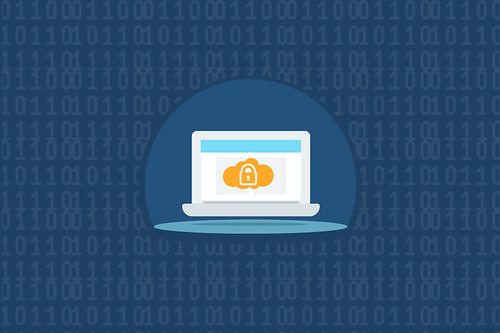


The Evolving Landscape of Digital Vulnerability
Computer security, often termed cybersecurity, is the practice of protecting internet-connected systems, including hardware, software, and electronic data, from digital attacks. These attacks aim to access, change, or destroy sensitive information, extort money from users, or interrupt normal business processes. The fundamental challenge lies in the inherent complexity and interconnectedness of modern computing environments.
As technology advances, so do the methods employed by malicious actors, necessitating a continuous arms race in developing robust defense mechanisms. This field is not static; it requires constant vigilance and adaptation to new threats and vulnerabilities.
Foundational Principles and Evolving Tactics
The genesis of computer security can be traced back to the early days of computing, with initial concerns focusing on physical access and basic access control mechanisms. By the 1960s and 1970s, as computing power grew and networks began to form, more sophisticated theoretical frameworks for security emerged. Early efforts involved rudimentary password systems and access control lists.
The advent of personal computers and the internet in the late 20th century dramatically expanded the attack surface, leading to the development of more advanced tools like firewalls, antivirus software, and intrusion detection systems. Modern security incorporates a layered approach, combining technical solutions with human policies and procedures to create comprehensive protection.
The Imperative of Digital Integrity and Confidentiality
The significance of computer security cannot be overstated in our digitally dependent society. It is crucial for maintaining the confidentiality, integrity, and availability of information. Confidentiality ensures that data is accessible only to authorized individuals.
Integrity guarantees that data is accurate and has not been tampered with. Availability ensures that systems and data are accessible when needed. Breaches in security can lead to catastrophic consequences, including financial losses, reputational damage, legal liabilities, and even threats to national security.
For individuals, it means protecting personal identity, financial assets, and private communications from exploitation.
Mechanisms of Defense
Effective computer security relies on a multi-layered defense strategy. This includes technical controls such as strong authentication methods (passwords, multi-factor authentication), encryption to protect data in transit and at rest, firewalls to regulate network traffic, intrusion detection and prevention systems (IDPS) to monitor for malicious activity, and robust antivirus/anti-malware solutions. Beyond technology, human factors are paramount.
Security awareness training educates users about phishing, social engineering, and safe computing practices. Policies and procedures define acceptable use, incident response protocols, and data handling guidelines. Regular security audits and vulnerability assessments are essential for identifying and mitigating weaknesses before they can be exploited.
Applications and Future Trajectories
Computer security principles are applied across virtually every sector. In finance, it protects transactions and customer data. In healthcare, it safeguards sensitive patient records.
Governments rely on it for national defense and critical infrastructure protection. The Internet of Things (IoT) presents new frontiers and challenges, with billions of interconnected devices requiring security. Future trends include the increasing use of artificial intelligence and machine learning for threat detection and response, advancements in quantum-resistant cryptography, and a growing focus on privacy-preserving technologies.
The ongoing evolution of threats means that computer security will remain a dynamic and critical field.
See also
Frequently Asked Questions
What is computer security?+
Why do we need computer security?+
How do passwords help keep my computer safe?+
What is a firewall and how does it protect my computer?+
Why is it important to learn about phishing and safe computing?+
Based on content from Wikipedia · Licensed under CC BY-SA 4.0