

Cochabamba
Images

Bolivia Cochabamba Ayopaya



Geographic Identity
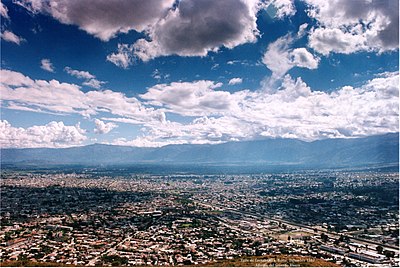
Cochabamba's identity is intrinsically linked to its geography. Situated in a fertile valley within the central Bolivian Andes, it benefits from a temperate climate that has earned it the moniker 'City of Eternal Spring.' This consistent, pleasant weather, averaging around 18°C (64°F) year-round, is a significant draw and influences the region's agricultural output and quality of life. Historically, the area was characterized by numerous lakes, a fact embedded in its name derived from the Quechua words 'qucha' (lake) and 'pampa' (open plain).
While urbanization has led to the disappearance of many of these water bodies, remnants like Laguna Alalay and Laguna Coña Coña persist, serving as ecological and recreational sites. The city's location is strategically important, acting as a vital urban corridor between the high-altitude capital, La Paz, and the eastern lowland city of Santa Cruz de la Sierra. It lies southwest of the Tunari mountain range and north of the Valle Alto foothills, defining its topographical context and influencing its microclimate and development patterns.
Historical Trajectory
The human history of Cochabamba stretches back to the Pre-Inca period, indicating a long-standing tradition of settlement in this resource-rich valley. Its strategic location and favorable climate made it an attractive area for various indigenous cultures. Following the Spanish conquest, it developed as an agricultural center, supplying food to mining regions and other urban areas.
The city's growth has been continuous, evolving from a colonial town into Bolivia's fourth-largest city. Its historical significance is also tied to its role as a cultural and political center, often at the forefront of regional and national movements. The transformation from a landscape dotted with lakes to a sprawling urban area reflects centuries of human adaptation and development, a testament to its enduring appeal as a place to live and thrive.
Cultural Tapestry
Cochabamba is a melting pot of cultures, deeply rooted in its indigenous past while embracing modern Bolivian society. The official language is Spanish, but Quechua and Aymara remain widely spoken, particularly in surrounding rural areas and among older generations, preserving a vital link to ancestral heritage. The residents, known as 'cochalas' or 'cochabambinos,' possess a strong sense of local identity.
The city is also affectionately called 'La Llajta,' a Quechua term meaning 'town' or 'village,' which, despite its size, evokes a sense of community and familiarity. This dual identity-a major urban center with deep cultural roots-is reflected in its festivals, cuisine, and social customs. The city's cultural dynamism makes it a significant contributor to Bolivia's national heritage, showcasing a unique blend of indigenous traditions and contemporary influences.
Economic Engine
The economy of Cochabamba is diverse, driven by a combination of factors unique to its setting. Agriculture remains a cornerstone, capitalizing on the fertile valley soil and the 'eternal spring' climate to produce a wide array of fruits, vegetables, and grains. This agricultural output not only feeds the local population but also contributes to regional and national markets.
Beyond farming, Cochabamba is a significant commercial and service center. Its role as a transportation and trade hub facilitates the movement of goods between different regions of Bolivia. Furthermore, the city is a prominent educational center, hosting several universities and technical institutes that attract students from across the country.
This concentration of educational institutions fosters innovation and provides a skilled workforce, further bolstering the city's economic vitality and its position as a key player in Bolivia's development.
Governance and Urban Development
As the capital of the Cochabamba Department, the city serves as the administrative heart of a significant region within Bolivia. Its municipal government is responsible for urban planning, infrastructure development, public services, and the implementation of policies that affect the daily lives of its over 660,000 residents. The city's growth presents ongoing challenges and opportunities, particularly concerning urban sprawl, resource management (including water, given its historical connection to lakes), and the provision of adequate public services.
Cochabamba's political landscape is active, reflecting the diverse socio-economic interests within the city and its surrounding areas. Its role extends beyond local administration; it is a key participant in national policy discussions and development initiatives, influencing the trajectory of central Bolivia.
See also
Frequently Asked Questions
What is Cochabamba famous for?+
Why does Cochabamba have a climate called "eternal spring"?+
Where is Cochabamba located in Bolivia?+
How did Cochabamba get its name?+
Who lives in Cochabamba and what languages do they speak?+
Based on content from Wikipedia · Licensed under CC BY-SA 4.0