

Coat of Arms of Mexico
Images
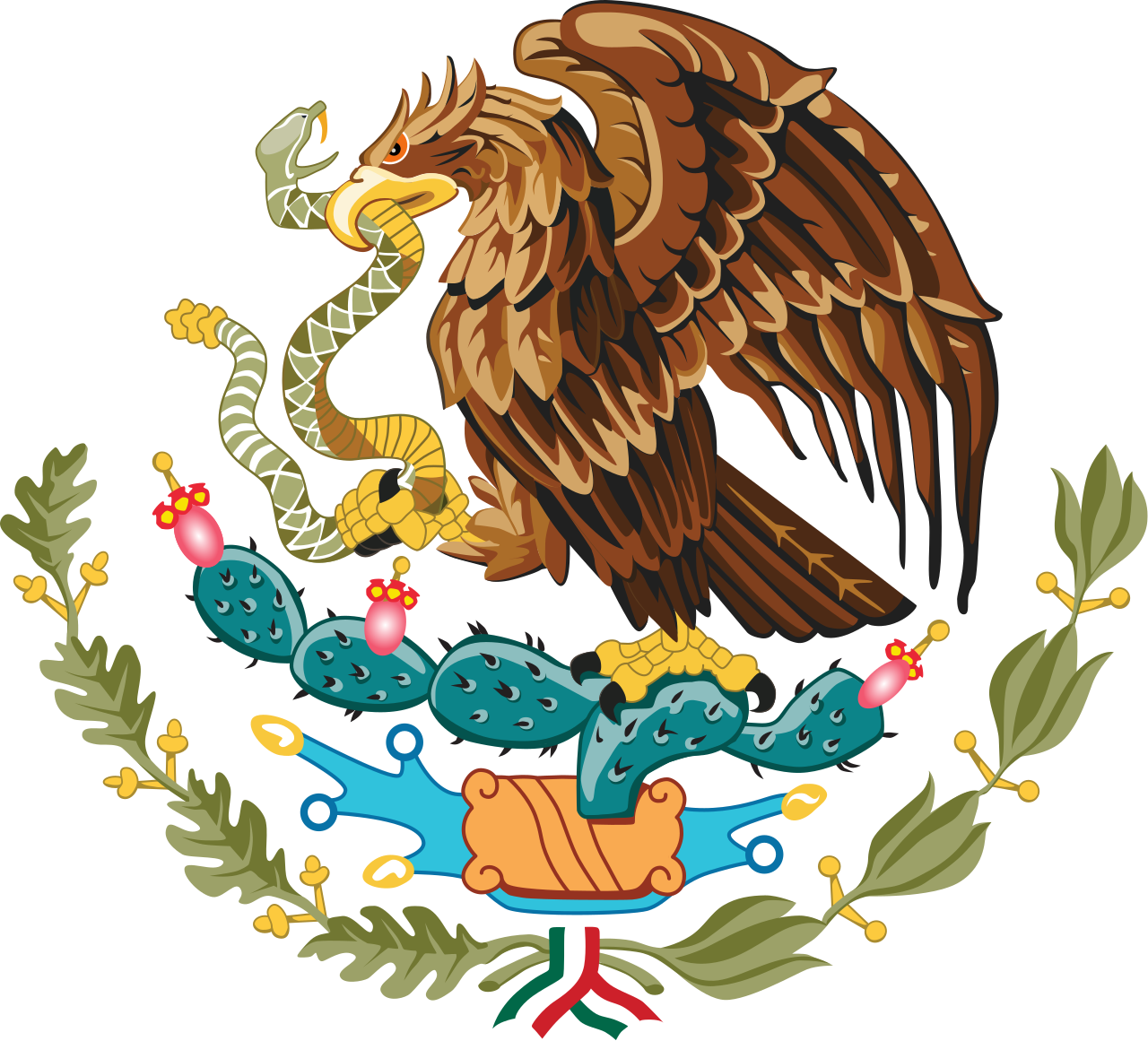
Coat Of Arms Of Mexico


The Genesis of an Emblem
The coat of arms of Mexico is intrinsically linked to the foundational myth of the Aztec civilization. According to legend, the Mexica people, guided by their patron deity Huitzilopochtli, were instructed to establish their capital city, Tenochtitlan, at the site where they would observe an eagle consuming a serpent atop a nopal cactus. This vision was not merely a geographical directive but a profound theological endorsement, signifying divine favor and the legitimacy of their burgeoning empire.
The image thus became a potent symbol of destiny fulfilled and the sacred mandate upon which their society was built. Its religious connotations were paramount, representing the cosmic order and the triumph of the divine will. This origin story imbues the emblem with a deep historical and spiritual resonance that continues to inform its significance today.
Symbolic Evolution
Over centuries, the interpretation and application of the eagle and serpent motif have evolved significantly. For the Aztecs, it was a direct manifestation of their religious beliefs and a marker of their unique identity. Following the Spanish conquest, the symbol was reinterpreted through a European Christian lens.
The serpent, sometimes associated with the serpent in the Garden of Eden, came to represent evil or temptation, while the eagle symbolized the triumph of good, Christianity, or the Spanish crown. This syncretic layering of meaning allowed the symbol to persist through periods of immense cultural upheaval. In the modern era, it has been reappropriated and solidified as a secular national emblem, representing the sovereignty, history, and cultural heritage of the United Mexican States, transcending its original religious or colonial interpretations.
Legal Framework and Heraldic Nuance
The official status and design of Mexico's national emblem are meticulously regulated by Mexican law, specifically the Law on the National Arms, Flag, and Anthem. While commonly referred to as the 'coat of arms' (Escudo Nacional), its design deviates from traditional European heraldry, which typically features a shield. Consequently, it is more accurately classified as a national emblem.
This distinction highlights the unique development of Mexican national symbols, which are rooted in indigenous traditions rather than solely European heraldic conventions. The law ensures uniformity and respect for the emblem, dictating its precise depiction and usage across all official government documents, currency, and national insignia, thereby reinforcing its role as a unifying symbol of the nation.
Ubiquitous Presence
The coat of arms of Mexico is a constant presence in the daily lives of its citizens and a key identifier for the nation on the global stage. Its most prominent display is at the heart of the Mexican flag, a powerful visual representation of national unity and pride. Beyond the flag, the emblem is engraved on the obverse of Mexican peso coins, circulating the nation's identity through commerce.
Furthermore, it serves as the foundation for the Seal of the United Mexican States, affixed to all official federal, state, and municipal documents, signifying governmental authority and authenticity. The seal itself is a variation, featuring the words 'Estados Unidos Mexicanos' in a semicircle, further emphasizing the official nature of the state it represents.
Enduring Significance and Modern Relevance
The enduring appeal and relevance of Mexico's national emblem stem from its ability to encapsulate a complex narrative of history, resilience, and cultural fusion. It serves as a constant reminder of the nation's ancient roots, its struggles for independence, and its ongoing journey as a modern republic. The visual drama of the eagle and serpent continues to captivate, symbolizing not just a historical event but also the ongoing dynamic of national identity formation.
In a globalized world, such potent and unique national symbols are crucial for fostering a sense of collective belonging and projecting a distinct cultural heritage. The emblem remains a powerful, multifaceted icon, deeply embedded in the fabric of Mexican society and its international representation.
See also
Based on content from Wikipedia · Licensed under CC BY-SA 4.0