

Citric Acid: The Zesty Science Secret!
Images

Citric acid




The Ubiquitous Tricarboxylic Acid
Citric acid, chemically known as 2-hydroxypropane-1,2,3-tricarboxylic acid, is a weak organic acid with the molecular formula C₆H₈O₇. It is a naturally occurring compound found predominantly in citrus fruits, where it contributes significantly to their characteristic tartness. Beyond its sensory impact, citric acid is a cornerstone of cellular respiration, serving as the first molecule to participate in the citric acid cycle (also known as the Krebs cycle or TCA cycle).
This metabolic pathway is central to aerobic respiration in all living organisms, facilitating the oxidation of acetyl-CoA to produce adenosine triphosphate (ATP), the primary energy currency of the cell. Its acidic nature, stemming from its three carboxyl groups, allows it to donate protons and form salts called citrates, which are crucial in biological systems and industrial applications.
From Alchemical Curiosity to Industrial Staple
The sour taste of citrus fruits has been recognized for centuries, but the isolation and characterization of citric acid were milestones in chemistry. Carl Wilhelm Scheele first crystallized citric acid from lemon juice in 1784 by reacting it with calcium hydroxide, a process that was laborious and costly. For over a century, extraction from citrus fruits remained the primary source.
A paradigm shift occurred in the early 20th century with the discovery of microbial fermentation as a viable production method. In 1917, James Currie identified the ability of the mold Aspergillus niger to produce significant quantities of citric acid from carbohydrate substrates. This biotechnological advancement, refined over decades, revolutionized citric acid production, making it economically feasible for widespread industrial use and transforming it from a niche laboratory chemical into a global commodity.
The Indispensable Roles of Citric Acid in Modern Life
Citric acid's utility spans numerous sectors due to its unique properties. In the food and beverage industry, it is extensively used as an acidulant to impart tartness, a flavor enhancer, and a preservative that inhibits microbial growth by lowering pH and chelating metal ions that catalyze oxidation. It also acts as an antioxidant, preventing browning and rancidity.
In pharmaceuticals, it serves as an excipient, aiding in drug formulation, improving solubility, and acting as an effervescent agent in tablets. Its chelating ability makes it effective in cleaning agents for removing mineral deposits, rust, and scale. Furthermore, citric acid plays a vital role in biological systems, buffering blood pH and facilitating energy metabolism through the citric acid cycle.
Its biodegradability and low toxicity further enhance its appeal as an environmentally friendly chemical.
Mechanisms of Action
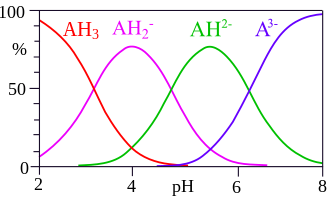
The functionality of citric acid is rooted in its molecular structure. Its three carboxyl groups (COOH) are acidic, readily dissociating to release protons (H⁺) and forming citrate anions. This acidity is responsible for its sour taste and its ability to lower the pH of solutions, which is critical for its preservative and antimicrobial functions.
The citrate anion is also a powerful chelating agent. It can bind strongly to polyvalent metal ions such as calcium (Ca²⁺), magnesium (Mg²⁺), iron (Fe²⁺/Fe³⁺), and copper (Cu²⁺). This chelation prevents these metal ions from catalyzing undesirable reactions, such as lipid oxidation in foods or the precipitation of insoluble salts in water systems.
In the citric acid cycle, citrate acts as a substrate, undergoing a series of enzymatic reactions that ultimately yield NADH and FADH₂, which then fuel ATP synthesis via oxidative phosphorylation.
Citric Acid's Footprint
The presence of citric acid is pervasive in everyday life. It is the primary acidulant in countless food products, including soft drinks, candies, jams, jellies, and processed fruits. Its role extends to dairy production, where it can be used to coagulate milk proteins for cheese making.
In the realm of household products, citric acid is a key ingredient in descalers, rust removers, and dishwasher detergents, leveraging its ability to dissolve mineral buildup and metal oxides. Its use in effervescent tablets, combining with bicarbonates to produce carbon dioxide gas upon contact with water, is another common application. Beyond consumer goods, citric acid finds application in industrial processes such as metal cleaning, electroplating, and even in the textile industry for dyeing processes, underscoring its broad chemical utility and economic significance.
Go deeper
Based on content from Wikipedia · Licensed under CC BY-SA 4.0