

Cigala
Images
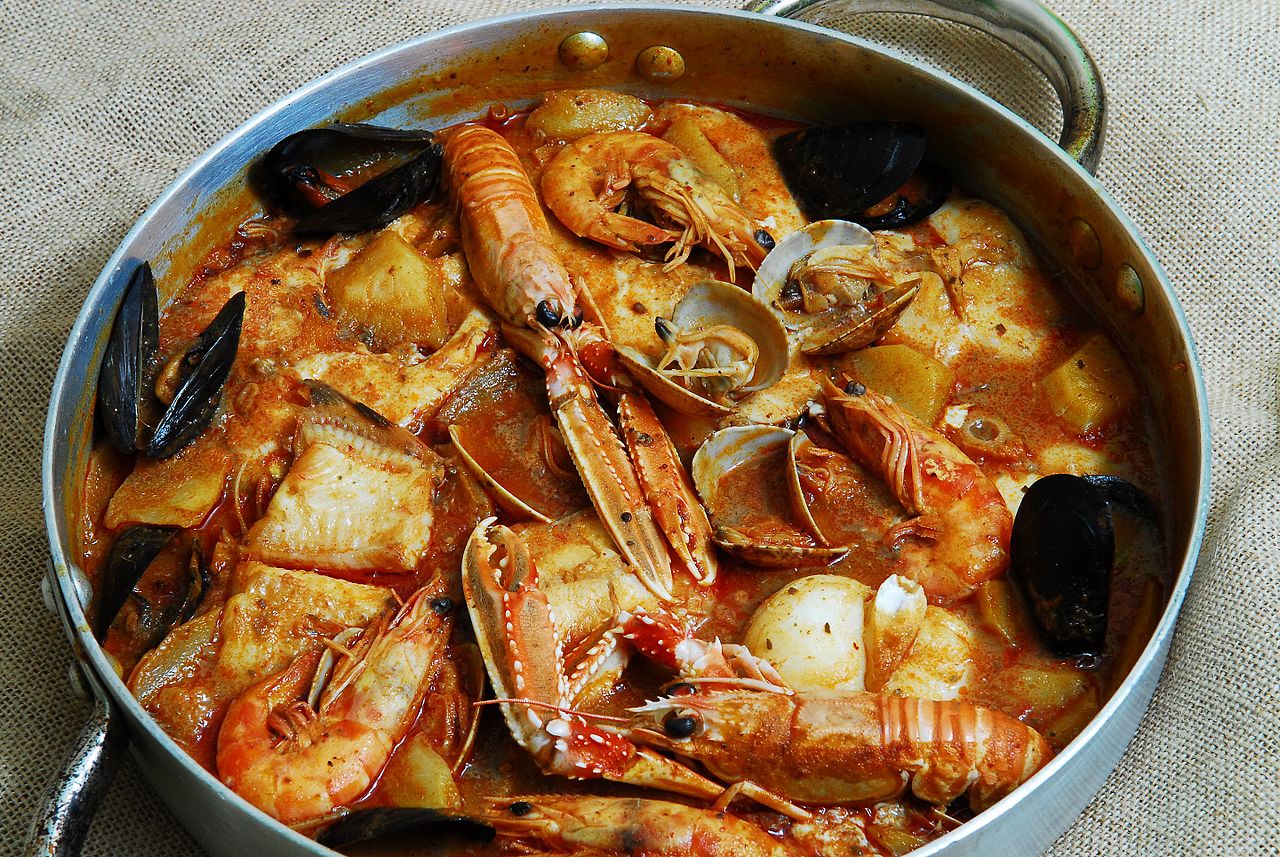
Ametlla de mar, suquet, gastronomia, pescado, cigala


Morphological Distinctions and Sensory Prowess
The family Palinuridae, commonly known as spiny or rock lobsters, represents a distinct lineage within the Decapoda order. A defining characteristic differentiating them from true lobsters (Nephropidae) is the absence of large chelae (claws) on their first pair of pereiopods. Instead, their primary sensory and defensive organs are their exceptionally long, filamentous antennae, which can exceed their body length.
These antennae are densely packed with aesthetascs, sensory receptors that detect chemical cues (chemoreception) and mechanical stimuli (mechanoreception), enabling sophisticated navigation, prey detection, and predator avoidance in complex benthic environments. Their exoskeleton, composed of chitin and calcified plates, is often heavily ornamented with spines and tubercles, providing both physical protection and a substrate for epibiotic organisms. This robust armor is periodically shed during ecdysis, a critical period of vulnerability.
Global Distribution and Habitat Specialization
Cigalas inhabit tropical and subtropical marine waters across all major oceans, demonstrating a wide geographical distribution. Their ecological niche typically lies in shallow to moderately deep benthic zones, where they favor complex structures that offer ample shelter. Rocky reefs, coral formations, kelp forests, and even artificial structures like shipwrecks and submerged debris provide essential microhabitats.
These environments offer protection from pelagic predators and serve as foraging grounds. While generally considered solitary, particularly during daylight hours when they retreat into burrows or crevices, some species exhibit aggregative behavior, especially during molting or mating periods. Their nocturnal foraging patterns are a key adaptation to avoid diurnal predators and exploit the availability of prey active during the night.
Ecological Significance as Omnivorous Scavengers
As omnivores, cigalas play a multifaceted role in marine food webs. Their diet is highly varied, reflecting their opportunistic feeding strategy. They actively prey on slower-moving invertebrates such as mollusks (gastropods, bivalves), echinoderms (sea urchins), polychaete worms, and smaller crustaceans.
Their powerful mouthparts and specialized appendages are adapted for crushing shells and manipulating food. Furthermore, cigalas function as crucial scavengers, consuming carrion and detritus on the seafloor. This detritivorous behavior contributes significantly to nutrient cycling and the removal of decaying organic matter, thereby maintaining the health and cleanliness of benthic ecosystems.
Their predatory and scavenging activities help regulate populations of their prey species and influence the overall structure of the benthic community.
Adaptations for Longevity and Defense
The remarkable longevity of cigalas, with some species living for over three decades, is a testament to their effective survival strategies. Ecdysis, the process of shedding their exoskeleton, is a critical but hazardous phase. During this time, their new exoskeleton is soft and uncalcified, leaving them highly susceptible to predation.
They mitigate this risk by seeking out the most secure hiding places and often entering a quiescent state. Defensive mechanisms extend beyond their spiky armor; many species are capable of stridulation, producing a rasping sound by rubbing specialized ridges on their antennae against their carapace. This acoustic warning is thought to deter potential predators, signaling their presence and possibly indicating their unpalatable or defended nature.
Their acute chemosensory abilities also allow them to detect predators from a distance, enabling evasive maneuvers.
Conservation Challenges and Future Outlook
While many cigala species are currently classified as Least Concern, several populations face significant threats. Overfishing is a primary concern, as cigalas are highly valued in commercial fisheries worldwide for their meat. Unsustainable fishing practices, including inadequate size limits and habitat damage from destructive fishing gear, can deplete populations. Climate change also poses a threat, with rising ocean temperatures and ocean acidification potentially impacting their physiology, reproductive success, and habitat suitability.
Habitat degradation due to coastal development and pollution further exacerbates these challenges. Effective conservation strategies require sustainable fisheries management, protection of critical habitats like coral reefs and rocky shores, and continued research into their life cycles and ecological requirements to ensure the long-term viability of these fascinating marine invertebrates.
See also
Frequently Asked Questions
What does a cigala look like?+
Why do cigalas have long antennae?+
Where do cigalas live?+
What do cigalas eat?+
How do cigalas protect themselves when they grow a new shell?+
Based on content from Wikipedia · Licensed under CC BY-SA 4.0