

Choir: The Amazing Singing Teams!
Images
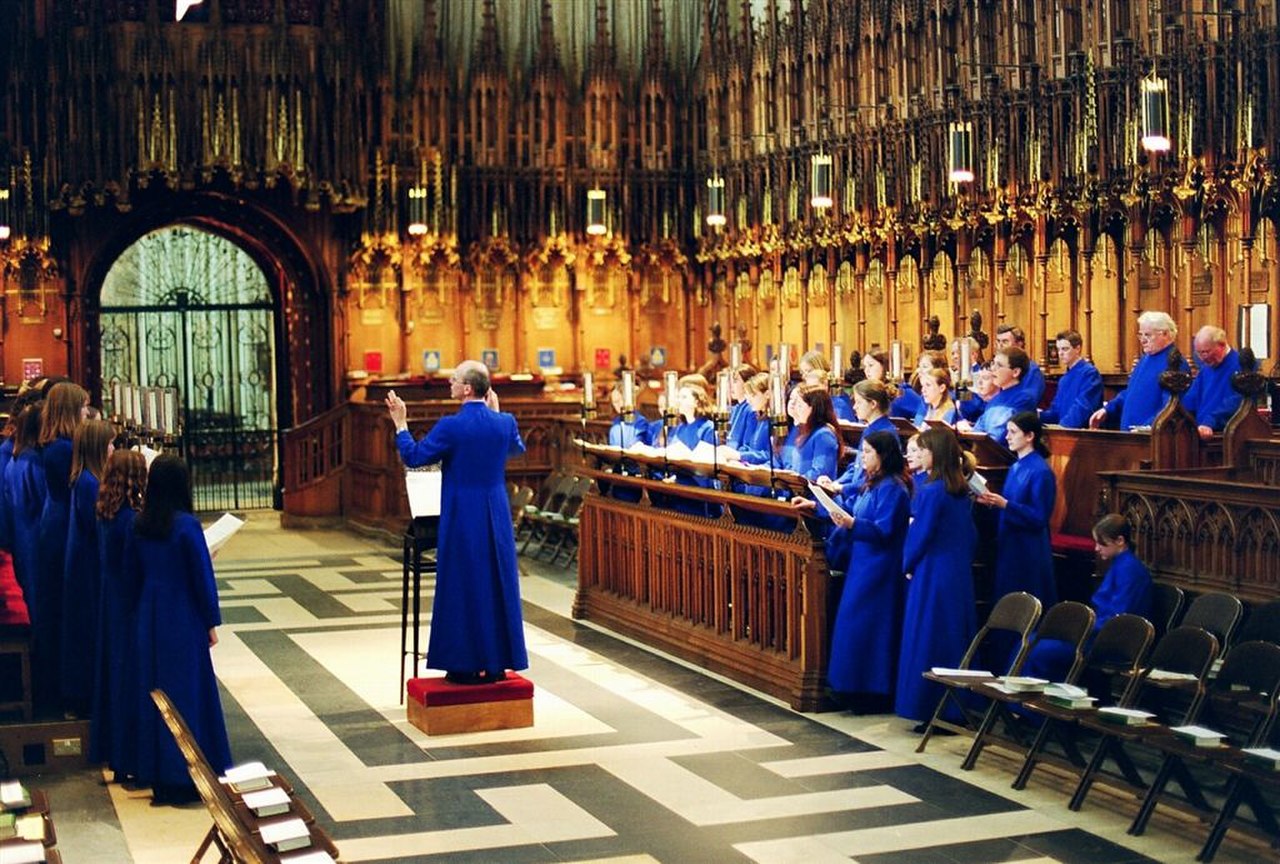
Choir


The Global Footprint and Acoustic Design of Choral Performance
Choirs are a ubiquitous presence in global culture, transcending geographical boundaries and finding expression in a myriad of performance spaces. Their ideal habitat is an environment optimized for acoustic resonance, where the architecture actively contributes to the sonic quality of the performance. This often translates to venues like cathedrals, concert halls, and opera houses, which are meticulously designed to manage sound reflection, diffusion, and absorption.
The specific acoustic properties, such as reverberation time and clarity, are crucial for choral music, allowing for the intricate blend of voices and the projection of complex harmonies. The presence of a choir in a community often signifies a rich cultural landscape, serving as a focal point for artistic engagement and social cohesion. From intimate chamber settings to vast festival stages, the choir's adaptability to diverse acoustic environments underscores its enduring appeal and its capacity to connect with audiences on a profound level.
Chronicles of Harmony
The lineage of choral singing is deeply interwoven with the development of human civilization and musical practice. Early forms of communal vocalization can be traced to ancient ritualistic practices. In Western music history, the development of notation in the Middle Ages allowed for the standardization and expansion of choral music, with Gregorian chant serving as a foundational element.
The Renaissance witnessed a flourishing of polyphony, where composers like Josquin des Prez and Palestrina explored intricate contrapuntal textures, pushing the boundaries of vocal ensemble writing. The Baroque era brought forth grand choral works, including oratorios and cantatas by Bach and Handel, often featuring large-scale choruses. Subsequent periods saw further stylistic evolution, with composers like Mozart, Beethoven, Brahms, and Verdi incorporating choirs into symphonic works, operas, and standalone compositions.
Today, the choral repertoire is vast and eclectic, encompassing everything from historically informed performances of early music to avant-garde compositions and popular music arrangements, reflecting a continuous tradition of innovation and adaptation.
The Intricate Structure and Social Dynamics of Choral Ensembles
A choir is a complex social and musical organism, characterized by its diverse membership and structured vocal organization. Typically, choirs are divided into voice parts based on range and timbre: soprano (highest female), mezzo-soprano (middle female), alto (lowest female), tenor (highest male), and bass (lowest male). Some choirs may also include baritone voices.
This division facilitates the creation of rich harmonic textures and polyphonic lines. The size of a choir can range from a select chamber ensemble of fewer than twenty singers, emphasizing precision and intimacy, to a massive symphonic chorus of over one hundred voices, designed for power and grandeur. Beyond the musical structure, choirs foster significant social dynamics.
Membership often cultivates a strong sense of belonging, discipline, and mutual reliance. The collaborative process of learning and performing music together builds interpersonal bonds and develops essential teamwork skills, contributing to the holistic development of the individual.
The Multifaceted Role and Enduring Relevance of Choirs
The function of a choir extends far beyond the mere execution of musical scores; it serves as a vital cultural institution with profound societal implications. Choirs are instrumental in preserving and transmitting cultural heritage, performing traditional music and acting as custodians of musical history. They play a critical role in religious services, providing a spiritual and communal focal point, and are integral to civic ceremonies and public celebrations, fostering national identity and shared experience.
Furthermore, participation in choral singing offers significant cognitive and emotional benefits, enhancing memory, improving mood, and reducing stress through the physiological effects of synchronized breathing and vocalization. As educational entities, choirs impart musical literacy, performance discipline, and collaborative competencies, preparing individuals for both artistic and professional endeavors. In an increasingly fragmented world, the choir stands as a powerful testament to the human capacity for collective creation and the enduring power of shared artistic expression.
Go deeper
Frequently Asked Questions
What is a choir?+
Why do choirs often sing in places like cathedrals and concert halls?+
How many different voice parts are in a choir?+
Where did choirs start and how have they changed?+
How does singing in a choir help people feel together?+
Based on content from Wikipedia · Licensed under CC BY-SA 4.0