

Chinstrap Penguin
Images

Chinstrap Penguin (Pygoscelis antarctica)




Morphological and Behavioral Distinctions
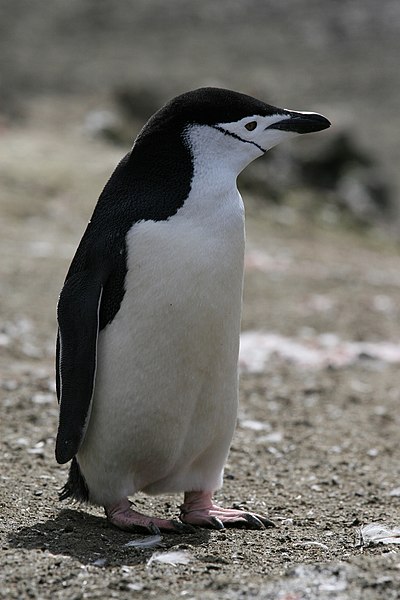
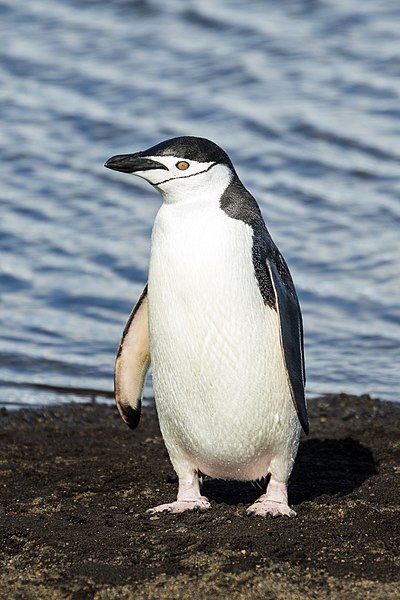
The Chinstrap penguin, scientifically classified as Pygoscelis antarcticus, is distinguished by a prominent, narrow black band encircling its chin, reminiscent of a helmet strap. This striking feature aids in species identification within the diverse penguin populations of the Southern Hemisphere. Their habitat is restricted to the sub-Antarctic and Antarctic regions, specifically inhabiting islands and continental coastlines bordering the Southern Pacific and Antarctic Oceans.
These penguins are highly adapted for an aquatic lifestyle, possessing a fusiform body shape that minimizes drag during high-speed pursuits underwater. Their dense plumage provides insulation against the extreme cold, while their black dorsal side and white ventral side offer countershading camouflage, obscuring them from predators below and prey above in the water column.
Acoustic Communication and Social Dynamics
Chinstrap penguins are renowned for their exceptionally loud and often discordant vocalizations, which have earned them colloquial names such as 'stonecracker' penguin. These calls serve as a vital communication system within their densely populated colonies, facilitating mate recognition, territorial defense, and chick-parent interactions. The cacophony generated by thousands of individuals can be intense, highlighting the importance of acoustic signaling in their social structure.
They exhibit strong colonial nesting behavior, forming aggregations that can reach staggering numbers. This social aggregation provides a degree of protection against predators through increased vigilance, though it also presents challenges related to resource competition and disease transmission.
Foraging Strategies and Trophic Role
As obligate carnivores, Chinstrap penguins subsist primarily on krill, particularly Antarctic krill (Euphausia superba), and various small fish species. Their foraging expeditions involve impressive feats of diving; they are capable of reaching depths exceeding 100 meters to procure their meals. Their powerful flippers are used for propulsion, enabling them to achieve considerable underwater speeds, essential for capturing agile prey.
The Chinstrap penguin plays a significant role in the Antarctic food web, acting as both a predator of smaller marine organisms and prey for larger marine carnivores. Their feeding habits can influence the local abundance of krill populations, making them an important indicator species for ecosystem health.
Life Cycle, Longevity, and Conservation Outlook
In the wild, Chinstrap penguins typically have a lifespan ranging from 15 to 20 years. They reproduce on ice-free rocky terrain, constructing rudimentary nests from pebbles. Both parents participate in the incubation of their one to two eggs and the subsequent rearing of the chicks.
The young are altricial, requiring extensive parental care and provisioning. Despite their widespread distribution and seemingly stable population numbers, classified as Least Concern, Chinstrap penguins are subject to environmental pressures. Changes in sea ice extent, ocean acidification impacting krill populations, and shifts in prey availability due to climate change pose potential long-term threats to their survival and the health of the Antarctic ecosystem.
See also
Frequently Asked Questions
What does a Chinstrap penguin look like?+
Where do Chinstrap penguins live?+
How do Chinstrap penguins stay warm and swim fast?+
Why do Chinstrap penguins make loud noises?+
What do Chinstrap penguins eat and how deep can they dive?+
Based on content from Wikipedia · Licensed under CC BY-SA 4.0