

The Violin's Best Friend: The Chinrest!
Images

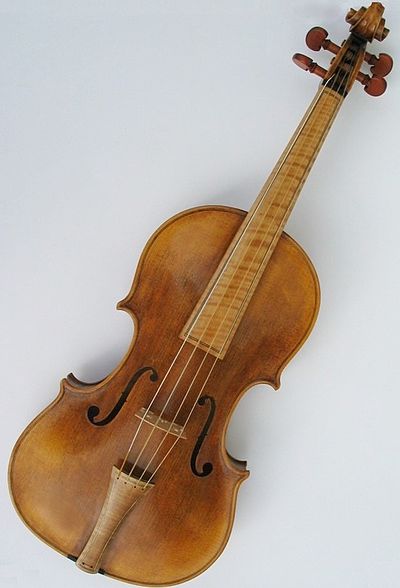
Boxwood violin chinrest




The Chinrest as an Ergonomic Interface
The chinrest, a seemingly simple accessory, functions as a crucial ergonomic interface between the musician and their instrument. Its primary purpose is to facilitate a stable and relaxed hold of the violin or viola, thereby optimizing the player's physical posture and reducing muscular strain. By providing a defined point of contact for the jaw or chin, it allows the player to maintain a consistent instrument angle without excessive tension in the neck, shoulders, or arms.
This stability is paramount for executing complex musical passages with precision and control. Materials such as ebony, rosewood, and boxwood are favored for their density and tonal properties, while plastic offers a lighter, more affordable alternative. The design of the chinrest, including its shape, height, and placement on the tailpiece, is highly individualized, reflecting the diverse anatomical needs and stylistic preferences of musicians.
It transforms the act of holding the instrument from a potentially strenuous effort into a more integrated and fluid motion, enabling extended practice and performance sessions.
A Historical Trajectory
The historical development of the chinrest is intrinsically linked to the evolution of violin technique and repertoire. For centuries, violinists employed a variety of holding methods, often relying on underarm support or a looser grip. However, the burgeoning demands of the Classical and Romantic periods, characterized by increased virtuosity, faster tempos, and more intricate bowing patterns, necessitated a more secure and efficient playing position.
The late 18th and early 19th centuries witnessed a period of experimentation, with musicians seeking ways to improve instrument stability. The chinrest gradually emerged as a solution, gaining widespread adoption by the mid-19th century. This innovation was not merely an aesthetic or comfort-driven change; it represented a fundamental shift in violin pedagogy and performance practice, enabling the technical advancements and expressive capabilities that define modern violin playing.
Its ubiquity today underscores its indispensable role in the instrument's evolution.
The Multifaceted Significance of the Chinrest
The significance of the chinrest extends beyond its role in physical comfort and stability. It is a key factor in achieving a consistent and resonant tone. By providing a fixed point of contact, it allows for a more predictable transfer of vibrations from the instrument to the player's body, influencing the instrument's acoustic response.
The material and shape of the chinrest can subtly alter the tonal characteristics, with denser woods often contributing to a brighter, more focused sound, while others might impart warmth or resonance. Furthermore, the chinrest plays a critical role in injury prevention. Chronic tension and improper posture, often exacerbated by the absence of a chinrest, can lead to musculoskeletal issues such as tendonitis or nerve impingement.
The chinrest, by promoting a relaxed and balanced hold, mitigates these risks, allowing musicians to maintain their careers and well-being. It is an integral component of a musician's setup, influencing both technical execution and long-term health.
Mechanism of Support and Sound Modulation
The chinrest operates by creating a fulcrum point that stabilizes the violin or viola against the player's jaw or chin and shoulder. This tripartite support system-chinrest, shoulder, and the instrument itself-allows the player to hold the instrument with minimal muscular effort. The pressure exerted is typically light, sufficient to prevent slippage without constricting movement.
This allows the player's bowing arm and left hand to move with unparalleled freedom, facilitating rapid string crossings, intricate fingerwork, and nuanced dynamic control. Beyond its mechanical function, the chinrest can also modulate the instrument's sound. The way it contacts the tailpiece and the instrument's body affects the transmission of vibrations.
Different materials and mounting systems can subtly alter the resonance, sustain, and tonal color of the violin or viola. Consequently, the choice of chinrest is often a deliberate artistic decision, akin to selecting strings or a bow, aimed at optimizing the instrument's sonic output.
Diversity in Design and Its Implications
The market offers a vast array of chinrest designs, varying in shape, height, width, and material. Common shapes include the Guarneri (central), the Flesch (offset), and the Kun (angled). Each design caters to different facial structures and playing preferences.
For instance, a player with a longer neck might opt for a higher chinrest to achieve a comfortable playing angle, while a player with a broader jaw might prefer a wider model. The material choice also impacts the playing experience; ebony is dense and durable, rosewood offers a warmer tone, and boxwood is lighter. Plastic variants provide durability and affordability.
This diversity allows for a highly personalized setup, enabling musicians to fine-tune their instrument's feel and sound. The selection process often involves extensive trial and error, as the ideal chinrest is subjective and deeply intertwined with the individual musician's physiology and artistic goals. This customization underscores the chinrest's role not just as an accessory, but as an extension of the player's own body and musical intention.
See also
Frequently Asked Questions
What is a chinrest on a violin?+
Why do violin players use a chinrest?+
How does a chinrest help with playing music?+
What materials are used to make a chinrest?+
When did violin players start using chinrests?+
Based on content from Wikipedia · Licensed under CC BY-SA 4.0