

Chinese Pond Turtle
Images

Human CXorf65 Strict Ortholog MSA




Ecological Niche and Adaptations of the Chinese Pond Turtle
The Chinese pond turtle (Mauremys reevesii) is an integral component of East Asian freshwater ecosystems. Its habitat preference leans towards lentic environments, including ponds, lakes, marshes, and slow-moving rivers, where it can effectively forage and thermoregulate. As an omnivore, its diet is highly opportunistic, encompassing a wide array of food sources such as aquatic invertebrates (insects, snails, crustaceans), small fish, amphibians, and various aquatic plants.
This dietary flexibility allows it to exploit available resources and adapt to different environmental conditions. Physically, Mauremys reevesii is a moderately sized turtle, with adult carapace lengths typically ranging from 15 to 20 centimeters (approximately 6 to 8 inches). Its shell morphology and aquatic adaptations, including webbed feet, facilitate efficient swimming and diving.
While precise wild lifespan data is scarce, individuals are known to survive for at least a decade, with potential for considerably longer lifespans in managed care, underscoring their resilience when environmental conditions are favorable.
Historical Significance
The historical importance of Mauremys reevesii is profoundly linked to its use in ancient Chinese divination practices, particularly during the Shang Dynasty (c. 1600–1046 BCE). Archaeological evidence from Shang sites reveals the extensive use of turtle plastrons (the ventral part of the shell) for 'plastromancy' or 'pyromancy'. These shells were inscribed with questions, often related to state affairs, agriculture, or warfare, and then subjected to heat.
The resulting cracks were interpreted by diviners to predict future outcomes or divine the will of spirits and ancestors. This practice highlights a deep cultural and spiritual integration of the species into early Chinese society, positioning it as a conduit between the human and spiritual realms. This historical reverence stands in stark contrast to the species' current precarious conservation status, underscoring a significant shift in human-animal relationships over millennia.
Threats and Conservation Imperatives for a Vulnerable Species
Despite its historical significance and ecological role, Mauremys reevesii is currently classified as Vulnerable by the IUCN. This designation reflects a significant decline in its wild populations, driven by a confluence of anthropogenic pressures. Habitat degradation and loss, stemming from agricultural expansion, urbanization, and wetland reclamation, are primary threats, reducing the availability of suitable breeding and foraging grounds. Water pollution from industrial, agricultural, and domestic sources further compromises the health of aquatic ecosystems and the turtles themselves.
Moreover, Mauremys reevesii is subject to intense collection pressure for the international pet trade and for use in traditional Chinese medicine, exacerbating population declines. Effective conservation strategies must address these multifaceted threats through habitat protection and restoration, pollution control, and stringent regulation of trade. Public awareness campaigns are also crucial to foster a greater appreciation for the species' ecological and historical value.
Taxonomic Context and Evolutionary Relationships
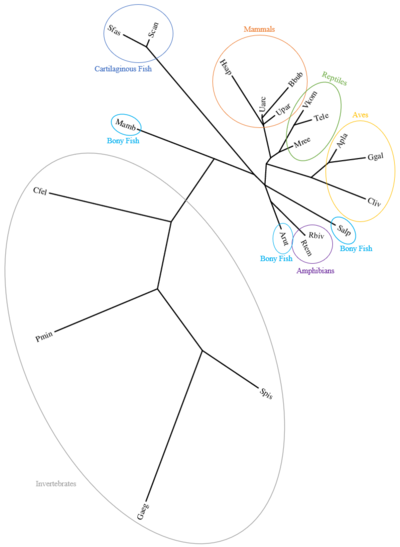
The Chinese pond turtle belongs to the family Geoemydidae, a diverse group of freshwater turtles that were formerly classified under the family Bataguridae. This family encompasses a wide range of species distributed across Asia, Europe, and North America. Within Geoemydidae, Mauremys reevesii is part of the genus Mauremys, which includes several other pond turtle species.
Understanding its taxonomic placement is crucial for evolutionary studies and for developing targeted conservation plans that consider related species and their shared ecological requirements. The genus Mauremys itself has a fossil record that stretches back millions of years, indicating a long evolutionary history for these turtles. Research into the genetic diversity and population structure of Mauremys reevesii is ongoing and vital for informing conservation genetics and identifying distinct management units that may require specific protective measures.
See also
Frequently Asked Questions
What is a Chinese pond turtle?+
How big does a Chinese pond turtle grow?+
What does a Chinese pond turtle eat?+
Why were Chinese pond turtles used in ancient China?+
Why is the Chinese pond turtle endangered?+
Based on content from Wikipedia · Licensed under CC BY-SA 4.0