

Chemical Precipitation: When Liquids Make Solids!
Images

Chemical Precipitation Diagram Ta
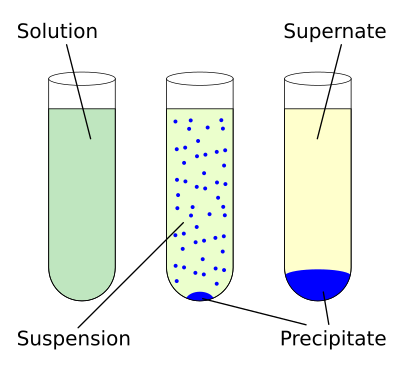


The Genesis of Solids
Chemical precipitation is a cornerstone of chemical engineering and environmental science, involving the formation of a solid precipitate from a solution. This occurs when the concentration of dissolved ions in a solution exceeds the solubility product (Ksp) of a potential solid compound. The reaction typically involves mixing two or more solutions containing reactive ions that combine to form an insoluble or sparingly soluble salt.
For instance, in wastewater treatment, adding calcium hydroxide to a solution containing phosphate ions leads to the precipitation of calcium phosphate. The kinetics of precipitation are crucial; factors like supersaturation, nucleation, and crystal growth influence the size, morphology, and settling characteristics of the precipitate, which are critical for efficient separation and downstream processing. Understanding these intricate steps allows for precise control over the outcome of the reaction.
A Historical Trajectory
The observation of precipitate formation dates back to ancient times, with early alchemists noting the transformation of liquids into solids during their experiments. However, a systematic understanding began to emerge with the development of stoichiometry and the laws of chemical combination in the 18th and 19th centuries. Early industrial applications focused on the production of pigments, such as lead white, and the purification of chemicals.
The 20th century saw a significant expansion in the use of chemical precipitation, driven by advancements in analytical chemistry and a growing need for efficient separation techniques in metallurgy and environmental management. The development of sophisticated analytical tools allowed for better characterization of precipitates and optimization of reaction conditions, solidifying precipitation's role in modern industrial processes.
The Indispensable Role of Precipitation in Modern Society
Chemical precipitation is a vital process with far-reaching implications across numerous sectors. In environmental engineering, it is indispensable for treating industrial effluents and municipal wastewater, effectively removing toxic heavy metals like lead, cadmium, and mercury, as well as nutrients like phosphorus, thereby preventing water pollution and protecting aquatic ecosystems. In hydrometallurgy, it serves as a primary method for recovering valuable metals from leach solutions, such as gold, silver, and copper, contributing significantly to resource management and the circular economy.
Furthermore, precipitation is fundamental to the synthesis of many advanced materials, including catalysts, ceramics, and nanoparticles, where precise control over particle size and structure is paramount. Its application in food processing, pharmaceuticals, and chemical manufacturing underscores its pervasive importance.
Engineering the Solid State
The controlled precipitation of solids is an engineered process that requires a deep understanding of thermodynamics and kinetics. Key parameters that are manipulated include reactant concentration, pH, temperature, mixing intensity, and the presence of seeding agents or complexing agents. For example, adjusting the pH can significantly alter the solubility of metal hydroxides, allowing for selective precipitation.
Temperature affects solubility and reaction rates. In industrial settings, reactors are designed to optimize mixing and residence time to achieve desired precipitate characteristics. Advanced techniques like reactive crystallization and co-precipitation are employed to produce materials with specific properties.
The choice of precipitating agent is also critical, balancing cost, efficiency, and the generation of secondary waste streams.
Precipitation's Footprint
While chemical precipitation offers powerful solutions, it also presents environmental and economic challenges. The precipitates themselves often require careful disposal, as they can contain hazardous substances. Sludge management and dewatering are significant operational costs in water treatment.
Furthermore, the chemicals used for precipitation can add to the overall cost of a process and may introduce their own environmental concerns if not handled properly. However, the economic benefits derived from recovering valuable metals or producing essential materials often outweigh these costs. Ongoing research focuses on developing more sustainable precipitation methods, such as using bio-based precipitants or optimizing processes to minimize waste generation and energy consumption, aligning with principles of green chemistry and sustainable development.
See also
Frequently Asked Questions
What is chemical precipitation?+
Why do scientists add calcium hydroxide to wastewater?+
How does the size of the solid particles affect the process?+
When did people first notice liquids turning into solids?+
Where is chemical precipitation used besides water treatment?+
Based on content from Wikipedia · Licensed under CC BY-SA 4.0