

Charles V of France
Images

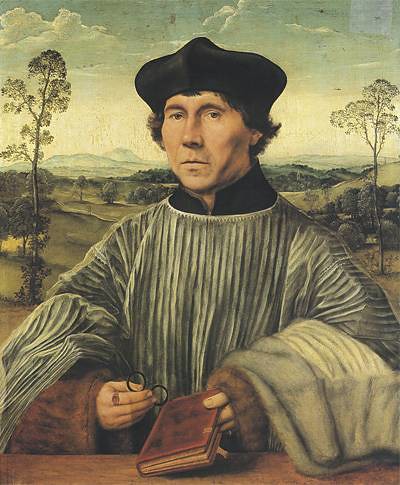
Lady Margaret Beaufort, mother of Henry VII, grandmother of Henry VIII, Arthur, Margaret, and Mary Tudor, great-grandmother of Edward VI, Mary I, and Elizabeth I




Navigating the Storm
Charles V ascended to the regency of France in 1356, a period marked by profound crisis. His father, John II, was captured by the English at the Battle of Poitiers, a devastating blow to French morale and finances. This left Charles, then only 18, to manage a kingdom fractured by war and internal dissent.
He faced formidable challenges: the nobility, led by the ambitious Charles the Bad of Navarre, questioned his authority. The burgeoning bourgeoisie, represented by Étienne Marcel in the Estates-General, demanded political reforms and greater control over finances. Adding to the chaos was the Jacquerie, a brutal peasant uprising in 1358, fueled by war taxes and famine.
To secure his father's release, Charles was forced into the humiliating Treaty of Brétigny (1360), ceding vast territories in southwestern France and agreeing to an enormous ransom. This period tested his leadership to its limits, forcing him to balance immediate survival with long-term strategic goals.
The Strategist King
Upon becoming king in 1364, Charles V embarked on a systematic campaign to restore France's strength and his own authority. He understood that military success was paramount. He implemented crucial reforms, most notably establishing the first permanent, professional French army funded by regular wages.
This innovation was revolutionary, ensuring troop loyalty and discipline, and freeing the populace from the destructive marauding of mercenary companies (routier). Under the brilliant command of Bertrand du Guesclin, the French military adopted a Fabian strategy, avoiding large pitched battles and instead focusing on sieges and attrition warfare. This patient approach gradually wore down English control.
By the end of Charles's reign, nearly all the territories ceded in the Treaty of Brétigny had been reconquered. Furthermore, Charles invested in naval power, with Admiral Jean de Vienne leading raids on the English coast, demonstrating a newfound French assertiveness.
The Cultivation of Wisdom
Charles V's epithet, 'the Wise,' was well-earned, reflecting his profound intellectual curiosity and commitment to learning. He amassed one of the most significant royal libraries of the medieval period, housing over 1,200 volumes. This was not merely a personal indulgence; it represented a strategic investment in knowledge.
He commissioned translations of classical texts, fostering a more sophisticated understanding of governance, history, and philosophy within the court. His patronage extended to scholars and artists, contributing to a cultural flourishing. This intellectual environment informed his administrative policies, enabling him to manage the royal finances effectively, replenish the treasury, and restore the prestige of the Valois dynasty.
His reign demonstrated a powerful synergy between intellectual pursuits and effective statecraft, a model that influenced subsequent European monarchs.
Administrative Reforms and Economic Revitalization
Beyond military and intellectual achievements, Charles V implemented significant administrative and economic reforms. He centralized royal administration, strengthening the efficiency and reach of the monarchy. His careful management of taxation and expenditure allowed him to rebuild the depleted royal treasury, providing the financial stability necessary for his ambitious military and reconstruction projects.
He understood the importance of a healthy economy for national strength and supported initiatives that would benefit trade and agriculture. By restoring order and security, he encouraged economic recovery after decades of war and internal strife. The contrast with the subsequent reign of his son, Charles VI, whose mental instability led to renewed conflict and English gains, highlights the critical importance and success of Charles V's stabilizing influence on France.
See also
Frequently Asked Questions
Who was Charles V of France?+
Why did Charles V have to sign the Treaty of Brétigny?+
How did Charles V change the French army?+
What was the Jacquerie and why did it happen?+
What did Charles V do with books and learning?+
Based on content from Wikipedia · Licensed under CC BY-SA 4.0