

Chanterelle Mushrooms: Nature's Golden Treasures
Images

Chanterelle


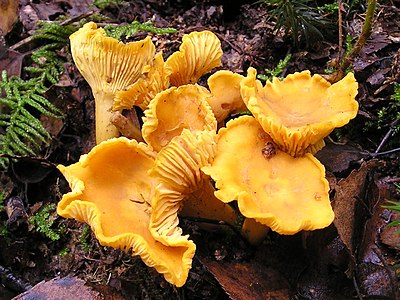


The Mycology and Morphology of a Forest Gem
The chanterelle, primarily represented by the species Cantharellus cibarius, is a fascinating fungus belonging to the order Cantharellales. Its morphology is distinctive: typically exhibiting a funnel or trumpet shape with a wavy, irregular cap margin. Unlike many gilled mushrooms, chanterelles possess blunt, forked ridges or folds that run down the cap and stem, a characteristic that aids in identification and distinguishes them from toxic look-alikes like the Jack-o'-lantern mushroom (Omphalotus olearius).
The color ranges from pale yellow to deep orange, and their texture is firm and fleshy. The characteristic fruity aroma, often likened to apricots, is another key identifier. The underground mycelial network, the vegetative part of the fungus, is extensive and plays a critical role in its ecological interactions and nutrient acquisition.
Ecological Niche
Chanterelles are obligate ectomycorrhizal fungi, meaning they form a crucial symbiotic relationship with the roots of specific tree species. This partnership, known as mycorrhiza, is fundamental to their survival and distribution. They are commonly found in association with deciduous trees such as oaks (Quercus spp.), beeches (Fagus spp.), and birches (Betula spp.), as well as conifers like pines (Pinus spp.) and firs (Abies spp.).
The fungal hyphae envelop the tree's root tips, forming a sheath called a Hartig net, which facilitates the exchange of resources. The chanterelle efficiently absorbs water and mineral nutrients, particularly phosphorus and nitrogen, from the soil and transfers them to the tree. In return, the tree provides the fungus with carbohydrates produced during photosynthesis, which the fungus cannot produce itself.
This mutualistic relationship enhances the tree's resilience to drought and disease and is vital for nutrient cycling in forest ecosystems.
Distribution, Habitat, and Fruiting Conditions
The distribution of Cantharellus cibarius is widespread, predominantly found in temperate and boreal forests across the Northern Hemisphere, including Europe, North America, and parts of Asia. Reports also exist from regions in Africa. They thrive in well-drained, acidic soils and prefer shaded environments, often found growing on the forest floor, amongst mosses, leaf litter, or near tree roots.
Fruiting bodies, the mushrooms we see, typically emerge after periods of warm, moist weather, particularly following significant rainfall. The specific environmental cues for fruiting are complex, involving soil temperature, moisture levels, and the physiological state of their host trees. Their presence is often an indicator of a healthy, mature forest ecosystem.
Culinary Acclaim and Conservation Considerations
Beyond their ecological importance, chanterelles are highly prized in gastronomy worldwide. Their unique flavor profile-often described as subtly peppery with notes of fruit and earthiness-and firm, slightly chewy texture make them a versatile ingredient. They are frequently featured in fine dining, prepared simply to highlight their natural taste, often sautéed with butter, garlic, and herbs, or incorporated into sauces, risottos, and egg dishes.
While chanterelles are not currently listed under a specific global conservation status by organizations like the IUCN, local populations can be vulnerable to over-harvesting and habitat degradation. Sustainable foraging practices are essential to ensure the long-term viability of wild chanterelle populations and the health of the forest ecosystems they inhabit. Research into cultivation methods is ongoing, aiming to meet culinary demand without depleting wild resources.
See also
Based on content from Wikipedia · Licensed under CC BY-SA 4.0