

Chaco Province
Images

RíO Negro (Chaco, Argentina) In Villa Fabiana


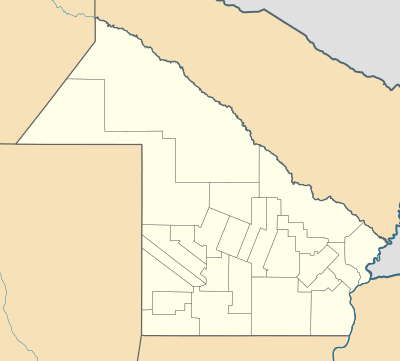


Geographic and Climatic Foundations of Chaco
Chaco Province occupies a substantial area of 99,633 square kilometers in Argentina's northeastern region, positioning it as the twelfth-largest province by area. Its strategic location includes borders with Salta and Santiago del Estero to the west, Formosa to the north, Corrientes to the east, and Santa Fe to the south. Crucially, it also shares an international boundary with the Paraguayan department of Ñeembucú, highlighting its role in regional connectivity.
The province's topography is predominantly flat, characterized by extensive plains and a network of rivers, most notably the Paraná River system, which significantly influences its hydrology and agricultural potential. The climate is subtropical, featuring distinct wet and dry seasons with high temperatures year-round. This environment supports a diverse range of ecosystems, from grasslands to subtropical forests, which have historically shaped human settlement and economic activities.
The interplay of these geographic and climatic factors creates a unique environmental context for the province's development and its population's livelihood.
Historical Trajectories and Indigenous Heritage
The historical narrative of Chaco Province is deeply rooted in the presence of its indigenous populations, including the Wichí, Kom, and Moqoit peoples, who have inhabited the region for millennia. Their traditional territories and cultural practices form the bedrock of the province's heritage. The arrival of European colonizers and subsequent waves of immigration introduced new languages, social structures, and economic systems, leading to a complex cultural fusion and, at times, conflict.
Throughout the 20th century, Chaco experienced periods of economic development tied to agriculture, particularly cotton cultivation, but often struggled with issues of land distribution and labor exploitation. The province's history is marked by persistent socioeconomic challenges, which have influenced its political development and its relationship with the national government. Understanding this historical context is crucial for appreciating the current social and economic landscape of Chaco.
Linguistic Pluralism as a Cultural Cornerstone
Chaco Province stands out in Argentina for its remarkable linguistic diversity, officially recognizing three indigenous languages-Kom, Moqoit, and Wichí-alongside Spanish as provincial languages. This official status, adopted in 2010, signifies a profound commitment to preserving and promoting the cultural heritage of the Toba, Mocovi, and Wichí peoples. These languages are not merely communication tools; they are repositories of unique worldviews, traditional knowledge, and cultural identity.
The coexistence of these languages reflects a history of cultural interaction and resilience. Efforts to integrate these languages into education and public life are ongoing, aiming to foster intercultural understanding and empower indigenous communities. This linguistic pluralism is a defining characteristic of Chaco, offering a powerful model for cultural recognition and respect within a national framework.
Economic Realities and Development Imperatives
Chaco Province consistently faces significant economic challenges, ranking among Argentina's poorest provinces in terms of GDP per capita and Human Development Index. The provincial economy is largely based on agriculture, with key products including cotton, soybeans, and beef cattle. Forestry and fishing also contribute to the local economy. Despite these primary sector activities, the province struggles with high rates of poverty, unemployment, and limited industrial diversification.
Historical factors, including land tenure issues and infrastructure deficits, have contributed to these persistent disparities. Current development strategies often focus on promoting sustainable agriculture, value-added processing, and attracting investment, while also addressing social inequalities. The province's economic future hinges on its ability to leverage its resources effectively, foster inclusive growth, and overcome structural impediments to development.
Governance and Educational Frameworks
As one of Argentina's 23 provinces, Chaco operates under a republican and representative government structure, with a governor as the executive head and a provincial legislature responsible for lawmaking. The provincial government plays a critical role in managing public services, including education, healthcare, and infrastructure development. Education is a key policy area, with a stated goal of providing accessible and quality learning opportunities for all residents.
The curriculum often incorporates the province's unique cultural and linguistic heritage, reflecting the official recognition of indigenous languages. However, challenges remain in ensuring equitable access to education, particularly in rural and marginalized communities, and in aligning educational outcomes with the demands of the provincial economy. Investments in teacher training, educational infrastructure, and culturally relevant pedagogy are vital for enhancing the educational landscape and fostering human capital development in Chaco.
See also
Frequently Asked Questions
Where is Chaco Province located in Argentina?+
What languages are spoken in Chaco Province?+
What does the land in Chaco Province look like?+
Who are the original people of Chaco Province?+
Why is Chaco Province considered one of Argentina's poorer areas?+
Based on content from Wikipedia · Licensed under CC BY-SA 4.0