

Centre-Val de Loire: France's Amazing Middle!
Images
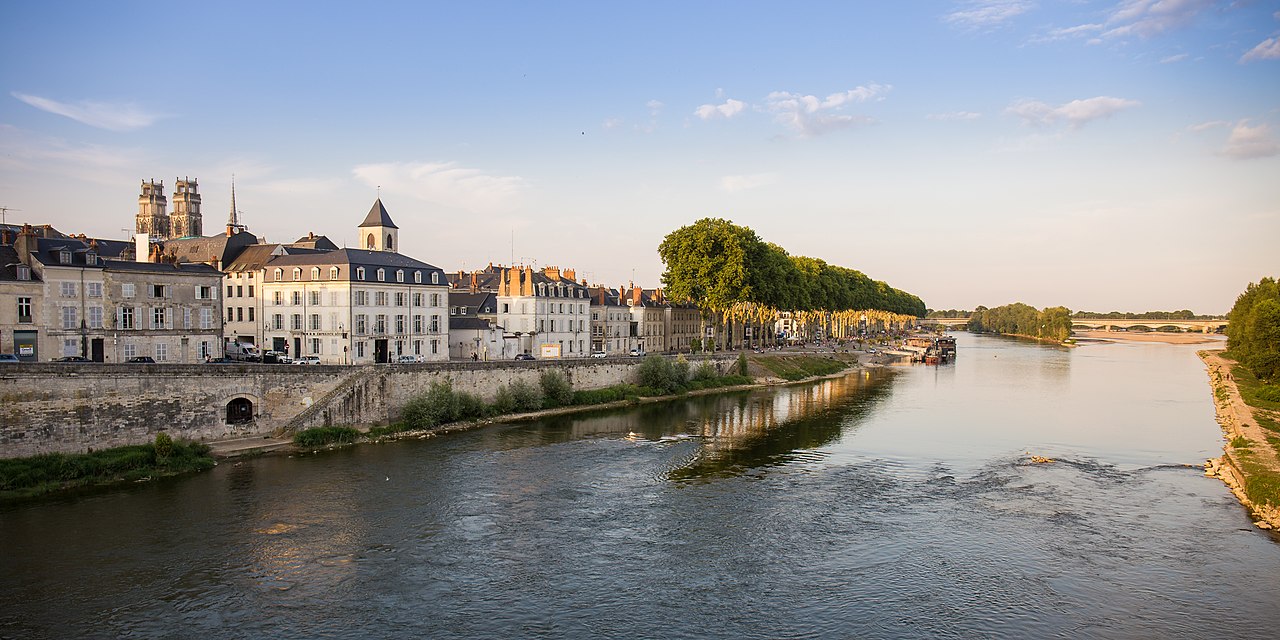
La Loire à OrléAns
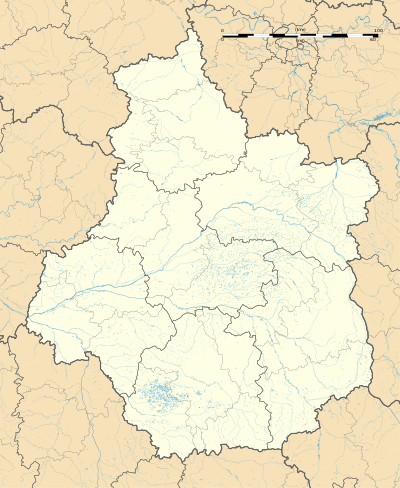


Geographical Significance and Natural Landscape
Centre-Val de Loire occupies a pivotal position in the interior of France, acting as a geographical crossroads. Its landscape is predominantly characterized by the middle reaches of the Loire River, a major artery that has historically influenced settlement patterns, trade, and agriculture. The region encompasses six administrative departments: Cher, Eure-et-Loir, Indre, Indre-et-Loire, Loir-et-Cher, and Loiret.
The terrain is generally flat to gently rolling, with extensive plains and valleys that are highly conducive to agriculture. Large forests, such as the Forêt d'Orléans, also contribute to the region's natural beauty and ecological diversity. The climate is temperate, with distinct seasons, supporting a rich variety of flora and fauna.
This central location has historically made it a strategic area for transportation and communication within France.
A Cradle of French History and Royal Residences
The historical narrative of Centre-Val de Loire is inextricably linked to the French monarchy and aristocracy. During the Renaissance and beyond, the region became a favored domain for kings and noble families to construct magnificent châteaux. These opulent residences, such as the Château de Chambord, Château de Chenonceau, and Château de Villandry, were not merely dwellings but powerful statements of wealth, influence, and artistic patronage.
The Loire River facilitated the movement of royal courts and the transport of materials and goods, further cementing the region's importance. Many of these châteaux are now UNESCO World Heritage sites, preserving a tangible link to France's rich past and attracting significant cultural tourism.
Cultural Identity and Economic Drivers
The culture of Centre-Val de Loire is deeply intertwined with its agricultural heritage and historical significance. The region is a powerhouse of French gastronomy, renowned for its wines, particularly from appellations like Sancerre and Chinon, and its diverse agricultural produce. The economy is multi-faceted, with strong sectors in agriculture, food processing, and tourism, driven by the allure of its châteaux and natural landscapes. Manufacturing, including automotive and aeronautics, also plays a role, particularly around the larger urban centers like Orléans and Tours.
The official language is French, and the region maintains a distinct cultural identity shaped by centuries of history and its connection to the Loire River.
Governance and Administrative Structure
Centre-Val de Loire is one of France's eighteen administrative regions, established to facilitate regional development and governance. The region is headed by a Prefect, appointed by the national government, and is governed by a Regional Council. The Regional Council is elected by the citizens and is responsible for areas such as economic development, transportation infrastructure, vocational training, and environmental protection.
The prefecture, or administrative capital, is located in Orléans, while Tours serves as the largest city and a significant economic and cultural hub. The region's administrative structure aims to balance national policies with local needs and priorities, fostering cohesive development across its six departments.
Educational Landscape and Human Capital Development
The region places a strong emphasis on education and human capital development, catering to a diverse student population. Centre-Val de Loire is home to several universities, including the University of Orléans and the University of Tours, offering a broad spectrum of academic programs in humanities, sciences, law, and medicine. Beyond traditional university education, the region boasts numerous specialized institutions focusing on vocational training, technical skills, and professional development.
These include schools for hospitality, agriculture, winemaking, and restoration of heritage sites, aligning educational offerings with the region's economic strengths. This robust educational infrastructure is crucial for fostering innovation, supporting local industries, and ensuring a skilled workforce for the future.
See also
Frequently Asked Questions
What is Centre-Val de Loire known for?+
Why are the castles in Centre-Val de Loire special?+
Where is the capital of Centre-Val de Loire?+
How does the Loire River help the region?+
What kind of food and wine does Centre-Val de Loire produce?+
Based on content from Wikipedia · Licensed under CC BY-SA 4.0