

Catamarca Province
Images

Antofagasta de la Sierra Department, Catamarca Province, Argentina - panoramio



The Andean Embrace
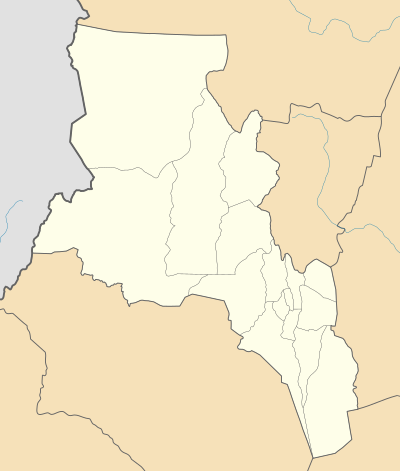
Catamarca Province occupies a significant portion of Argentina's northwestern territory, characterized by its imposing Andean topography. Covering an expansive 102,602 km², its landscape is dominated by high mountain ranges, deep valleys, and arid plateaus, creating a diverse and often challenging environment. This mountainous terrain dictates much of the province's climate, which tends to be dry, with significant temperature variations between day and night, and between seasons.
The western border with Chile is a major geographical feature, influencing regional interactions and historical development. Neighboring provinces include Salta, Tucumán, Santiago del Estero, Córdoba, and La Rioja, each contributing to the complex regional dynamics. The capital, San Fernando del Valle de Catamarca, is situated in a fertile valley, providing a stark contrast to the surrounding arid highlands.
These geographical features are not merely scenic; they are fundamental to the province's resource base, settlement patterns, and economic activities, from mining in the mountains to agriculture in the valleys.
Chronicles of the Andes
Catamarca's history is a layered narrative stretching back millennia. Prior to European arrival, the region was inhabited by various indigenous groups, including the Diaguita people, who developed sophisticated agricultural and metallurgical techniques. The Spanish conquest in the 16th century introduced new social structures, religion, and economic systems, often through conflict and subjugation.
The province played a role in the broader history of Argentina, including its struggle for independence and subsequent nation-building. Throughout the colonial and post-colonial periods, Catamarca's development was influenced by its relative isolation due to its mountainous terrain, its mineral wealth, and its position as a frontier region. The establishment of its capital, San Fernando del Valle de Catamarca, and other key settlements like Andalgalá and Tinogasta, marked significant milestones in its administrative and economic organization.
The legacy of these historical periods is evident in the province's cultural heritage, its architectural remnants, and the enduring spirit of its people.
A Tapestry of Traditions
The social fabric of Catamarca is woven from diverse threads, reflecting its historical and geographical context. With a population of 429,556 (2022 census), the province exhibits a blend of Spanish colonial heritage and enduring indigenous influences. Spanish is the official and predominant language, yet the cultural expressions are rich and varied.
Traditional music, folk dances, and religious festivals are integral to community life, often celebrating patron saints or historical events. The province boasts a high literacy rate of 95.5%, indicating a strong emphasis on education and a well-informed populace. The capital, San Fernando del Valle de Catamarca, serves as the primary urban and cultural center, while smaller cities like Belén are renowned for their traditional crafts, particularly textiles.
This cultural dynamism, combined with a resilient population, defines the unique identity of Catamarca.
Resourcefulness and Resilience
Catamarca's economy is intrinsically linked to its natural endowments and the ingenuity of its people. The province is a significant producer of minerals, with mining operations extracting valuable resources such as copper, gold, and silver from its mountainous terrain. This sector is a major contributor to the provincial GDP and employment.
Agriculture, though often constrained by the arid climate, is also important, with crops like grapes, olives, and alfalfa being cultivated, particularly in the fertile valleys. The province is also recognized for its traditional crafts, especially the production of high-quality textiles, which represent a vital source of income for many communities and contribute to its cultural distinctiveness. The capital city, San Fernando del Valle de Catamarca, functions as the main economic hub, facilitating trade and services.
The province's economy demonstrates a blend of primary resource extraction and traditional artisanal production, highlighting its unique economic landscape.
Governance and Education
As a province within the federal republic of Argentina, Catamarca operates under a system of representative democracy. The provincial government is headed by a Governor, who is responsible for the executive branch, and is supported by a provincial legislature that enacts laws. The capital, San Fernando del Valle de Catamarca, is the seat of this government.
The province is divided into administrative departments, each with its own local governance structures. Education is a fundamental aspect of Catamarca's development, underscored by its impressive 95.5% literacy rate. The province provides public education at all levels, from primary schools to universities, ensuring access to learning for its citizens.
The educational system aims to equip residents with the skills needed for both the traditional industries and emerging economic opportunities, fostering social mobility and contributing to the overall progress of the province. This commitment to governance and education is crucial for Catamarca's continued growth and stability.
See also
Frequently Asked Questions
What is Catamarca Province?+
Where is Catamarca Province located?+
What is the capital city of Catamarca?+
Who lives in Catamarca and what languages do they speak?+
What do people in Catamarca do for work?+
Based on content from Wikipedia · Licensed under CC BY-SA 4.0