

Catabolism: Your Body's Tiny Demolition Crew!
Images

Catabolism of Glucose




Deconstructing Molecules
Catabolism represents a fundamental set of metabolic pathways dedicated to the breakdown of macromolecules into smaller constituents. This process is essential for life, serving as the primary mechanism for energy extraction from nutrients. Large molecules such as polysaccharides, lipids, nucleic acids, and proteins are systematically dismantled into their respective monomers: monosaccharides, fatty acids, nucleotides, and amino acids.
These smaller units are then channeled into further catabolic reactions, primarily for energy generation through oxidation, or repurposed as substrates for anabolic processes. This destructive phase of metabolism is intrinsically linked to energy release, providing the necessary chemical potential to drive cellular functions and maintain homeostasis. The efficiency and regulation of these breakdown pathways are critical for cellular survival and organismal health.
Historical Perspectives
The study of catabolism evolved alongside the broader understanding of metabolism, a term coined in the 19th century. Early physiological investigations recognized that organisms consumed food and produced waste, implying a transformation of matter. However, the specific biochemical reactions and the concept of energy transfer were elucidated over decades of research.
Pioneers in biochemistry, through meticulous experimentation, began to map out pathways like glycolysis and the Krebs cycle (citric acid cycle). The discovery of Adenosine Triphosphate (ATP) as the universal energy currency in the mid-20th century provided a crucial piece of the puzzle, explaining how the energy released by catabolism is captured and utilized. The distinction between catabolism and anabolism, as two complementary halves of metabolism, became a cornerstone of modern biological science.
The Indispensable Role of Catabolism in Cellular Economy
Catabolism's significance cannot be overstated; it is the engine that powers cellular life. By breaking down nutrient molecules, it liberates chemical energy, predominantly captured as ATP. This ATP then fuels a vast array of energy-requiring processes, including muscle contraction, active transport across membranes, biosynthesis of macromolecules, and signal transduction.
Furthermore, the intermediate products generated during catabolism are not solely for energy production; they also serve as precursors for the synthesis of essential cellular components, linking catabolism directly to anabolism. For instance, amino acids released from protein breakdown can be used to build new proteins or, if in excess, can be further catabolized for energy. This intricate interplay ensures that cellular resources are efficiently managed for both energy needs and structural integrity.
Mechanisms of Molecular Demolition
Catabolism operates through a series of interconnected biochemical pathways, each precisely regulated. Glycolysis, for example, begins the breakdown of glucose, yielding pyruvate and a small amount of ATP. Pyruvate can then enter the mitochondria to be further oxidized through the citric acid cycle, generating more ATP, electron carriers (NADH and FADH2), and carbon dioxide as a waste product.
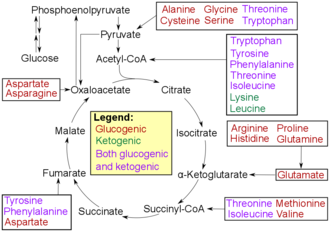
Fatty acids undergo beta-oxidation, also within the mitochondria, producing acetyl-CoA which feeds into the citric acid cycle. Protein catabolism involves deamination, removing the amino group, with the remaining carbon skeleton entering various points in the central metabolic pathways. The energy released during these oxidative steps is harnessed by the electron transport chain to produce the bulk of cellular ATP.
Waste products like ammonia (from deamination) are detoxified, often converted to urea in the liver.
Catabolism in Health and Disease
Understanding catabolism is critical in modern medicine and biology. Dysregulation of catabolic pathways is implicated in numerous diseases. For instance, uncontrolled breakdown of muscle protein can lead to cachexia, a wasting syndrome seen in cancer and severe illness.
Conversely, impaired catabolism can contribute to metabolic disorders like obesity and type 2 diabetes, where energy is not efficiently utilized or stored. Research into catabolic processes is also vital for developing therapeutic strategies. For example, targeting specific enzymes involved in catabolism could offer new treatments for metabolic diseases or conditions characterized by excessive tissue breakdown.
The study of catabolism continues to be a dynamic field, offering insights into fundamental life processes and potential avenues for medical intervention.
Go deeper
Frequently Asked Questions
What is catabolism?+
How does catabolism give our bodies energy?+
Why does the body break food into tiny pieces?+
Where in the body does catabolism happen?+
What are the main catabolic pathways?+
Based on content from Wikipedia · Licensed under CC BY-SA 4.0