

Casper (film)
Images

Dragvoll gård - Gnr. 48/53
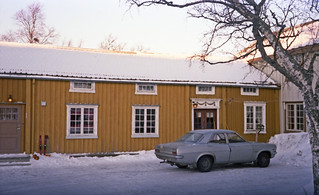


Whipstaff Manor
The 1995 film 'Casper' transcends its cartoon origins by presenting a sophisticated narrative set within the atmospheric confines of Whipstaff Manor. This iconic location serves not merely as a backdrop but as a character in itself, a labyrinthine space filled with secrets and spectral inhabitants. The film's central premise revolves around the unlikely friendship between Casper, a ghost yearning for companionship, and Kat Harvey, a teenage girl navigating the complexities of moving into a new, haunted environment.
Her father, Dr. James Harvey, a paranormal therapist, adds another layer to the dynamic, tasked with exorcising the manor's spirits. The screenplay, penned by Sherri Stoner and Deanna Oliver, skillfully weaves together elements of supernatural fantasy, comedy, and drama.
It dares to give Casper a tragic backstory, a departure from his lighter predecessors, imbuing the character with a profound sense of melancholy and a relatable desire for connection. This darker, more introspective approach to the character allows for a richer emotional landscape, exploring themes of loss, loneliness, and the universal search for belonging, making the film resonate with audiences on a deeper level than a simple children's comedy might.
Pioneering CGI
The production of 'Casper' in the mid-1990s marked a significant milestone in cinematic history, particularly in the realm of visual effects. Filmed between January and June 1994, the movie is celebrated for being the first feature film to feature a fully CGI character in the lead role. This groundbreaking achievement meant that Casper, along with his boisterous uncles Stretch, Stinkie, and Fatso, were meticulously crafted and animated using computer-generated imagery.
The extensive use of CGI allowed for unprecedented fluidity and expressiveness in the ghostly characters, enabling them to interact seamlessly with the live-action environment and actors. Director Brad Silberling, in his feature directorial debut, leveraged this technology not just for spectacle but to enhance the storytelling, making the spectral beings feel tangible and emotionally resonant. The technical challenges overcome during production paved the way for future films to integrate CGI characters more prominently, fundamentally altering the landscape of visual effects in Hollywood.
A Unique Blend of Tones
Director Brad Silberling masterfully navigates a delicate tonal balance in 'Casper,' seamlessly blending laugh-out-loud comedy with moments of genuine pathos. While the film is undeniably a fantasy comedy, it doesn't shy away from exploring the melancholic undertones of Casper's existence. His backstory, which details his untimely death and subsequent spectral state, provides a poignant counterpoint to the antics of his spectral uncles and the comedic situations that arise from human-ghost interactions.
The visual aesthetic of Whipstaff Manor, with its gothic architecture and hidden passages, enhances the supernatural atmosphere, creating a world that is both eerie and inviting. The CGI, while revolutionary, is integrated in a way that serves the narrative, allowing for dynamic visual gags and emotional expressions that would have been impossible with traditional special effects. This sophisticated approach to genre fusion allows 'Casper' to appeal to a broad audience, offering a viewing experience that is both entertaining and emotionally engaging.
Cultural Resonance and Cinematic Legacy
Upon its release on May 26, 1995, 'Casper' achieved considerable commercial success, grossing $290.3 million worldwide against a production budget of $55 million. This financial triumph underscored the character's enduring appeal and the audience's receptiveness to a more complex portrayal. Beyond its box office performance, the film cemented its place in popular culture and cinematic history as a landmark achievement in CGI.
Its success directly led to the creation of two direct-to-video prequels, 'Casper: A Spirited Beginning' (1997) and 'Casper Meets Wendy' (1998), as well as the animated television series 'The Spooktacular New Adventures of Casper.' These expansions of the 'Casper' universe demonstrate the lasting impact of the 1995 film and its ability to capture the imagination of new generations. The film's legacy lies not only in its technical innovation but also in its successful reinterpretation of a classic character, proving that even a friendly ghost could carry a compelling, emotionally rich narrative.
See also
Based on content from Wikipedia · Licensed under CC BY-SA 4.0