

Cartoon
Images
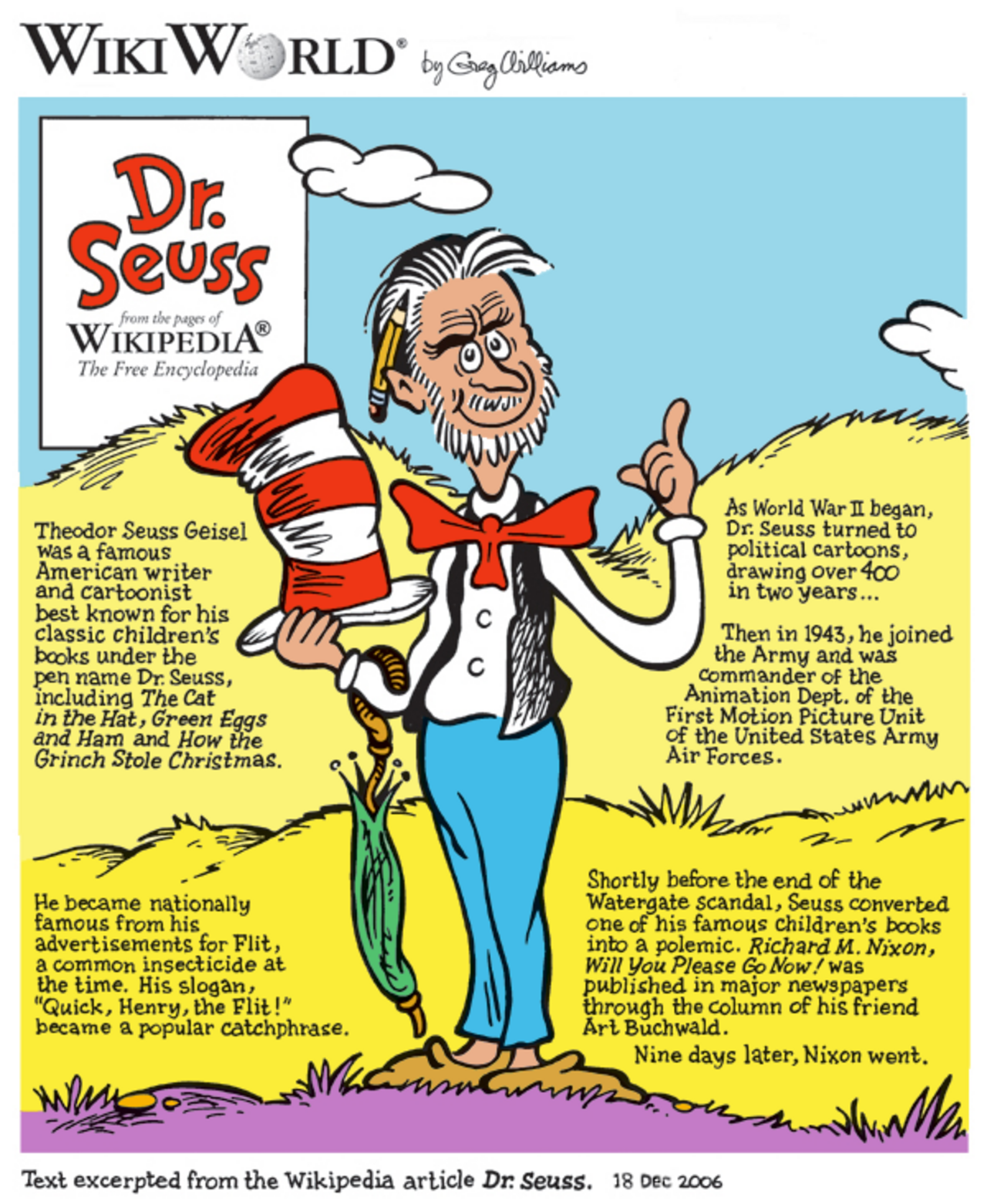
Cartoon
Evolution of the Cartoon
The practice of using drawings to convey ideas, humor, and critique is deeply rooted in human history, predating formal artistic movements. Early examples can be found in ancient Roman mosaics and medieval manuscripts, which often depicted humorous or satirical scenes. However, the modern concept of the cartoon, particularly in its journalistic and satirical forms, began to solidify in Europe during the Renaissance and Enlightenment, with artists like Hogarth using engravings to comment on social and political issues.
The 19th century saw the rise of the political cartoon in newspapers and magazines, using caricature and symbolism to influence public opinion. Simultaneously, the late 19th and early 20th centuries witnessed the birth of animation, a revolutionary development that transformed static drawings into dynamic visual narratives. Pioneers like Émile Cohl and Walt Disney pushed the boundaries of what was possible, laying the groundwork for the vast animation industry we see today, encompassing everything from hand-drawn classics to complex CGI blockbusters.
The Multifaceted Impact of Cartoons on Society and Culture
Cartoons wield significant influence across various societal domains. In education, they serve as invaluable pedagogical tools, simplifying complex subjects, illustrating abstract concepts, and making learning more engaging and accessible for diverse age groups and learning styles. The visual language of cartoons allows for the distillation of intricate information into easily digestible formats.
In the realm of advertising and marketing, cartoons are employed to capture attention, build brand identity, and create emotional connections with consumers, often imbuing products with personality and memorability. Furthermore, cartoons function as potent vehicles for social and political commentary. Political cartoons, in particular, can shape public discourse, critique power structures, and advocate for change by presenting controversial ideas in a visually arresting and often humorous manner that bypasses traditional censorship or resistance.
They offer a unique space for exploring sensitive topics and fostering critical thinking among audiences.
The Technical Craft
The creation of cartoons, especially animated ones, involves a sophisticated interplay of artistic skill and technical understanding. Cartooning itself relies on principles of exaggeration, simplification, and anthropomorphism to create distinct characters and convey emotion effectively. Key elements include line quality, shape, and composition to guide the viewer's eye and establish mood.
Animation takes this further by creating the illusion of motion through the sequential display of still images, known as the 'persistence of vision' phenomenon. Traditional animation involves drawing thousands of individual frames, each representing a minute change in position or form. Modern digital animation utilizes computer software to generate and manipulate these frames, enabling advanced techniques like 3D modeling, motion capture, and complex visual effects.
The process often involves storyboarding, character design, rigging, in-betweening, and rendering, all contributing to the final seamless visual experience that can range from 2D cel animation to photorealistic CGI.
Cartoons as a Global Medium
Cartoons have transcended their origins as simple drawings to become a dominant global medium for storytelling, cultural expression, and identity formation. Animated films and series produced worldwide reach vast international audiences, often becoming cultural touchstones that shape perceptions and foster cross-cultural understanding. Characters originating from cartoons, such as Mickey Mouse, SpongeBob SquarePants, or Astro Boy, have achieved iconic status, transcending their fictional origins to become global brands and symbols.
The visual language of cartoons is inherently adaptable, allowing for the exploration of diverse themes, from lighthearted comedy to profound philosophical questions. Their ability to create relatable characters and compelling narratives makes them powerful tools for exploring human experiences, social issues, and cultural values, contributing significantly to the global media landscape and influencing artistic trends across various disciplines.
The Academic Lens
The study of cartoons, often referred to as 'cartoon studies' or integrated within broader fields like visual culture, media studies, and art history, offers critical insights into how images shape our understanding of the world. Academic analysis examines the historical development of cartooning techniques, the socio-political contexts in which cartoons are produced and consumed, and their impact on public opinion and cultural norms. Researchers investigate the semiotics of cartoon imagery, deconstructing the visual language, symbolism, and narrative structures employed.
This includes analyzing the use of exaggeration, caricature, and metaphor to convey complex messages, as well as exploring the ethical considerations surrounding satire and representation. Furthermore, the rise of digital animation and internet memes has opened new avenues for research into contemporary forms of visual communication and their role in shaping online culture and identity.
Go deeper
Frequently Asked Questions
What is a cartoon?+
Where did cartoons first appear?+
How do cartoons become animated movies?+
Why do cartoons help us learn?+
How can cartoons talk about politics or big ideas?+
Based on content from Wikipedia · Licensed under CC BY-SA 4.0