

Calcium carbonate
Images
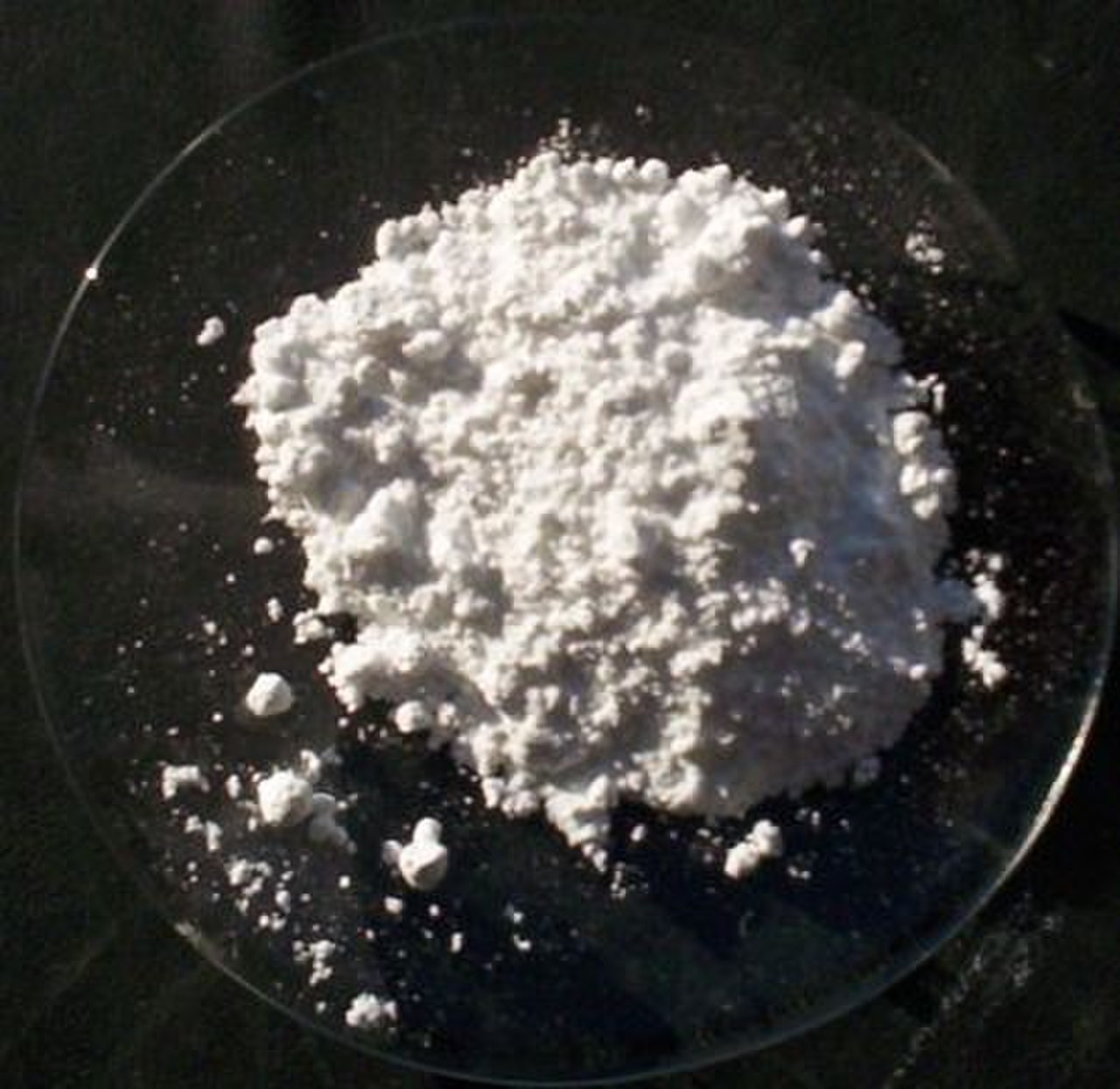
Calcium carbonate
Geological Cornerstone
Calcium carbonate (CaCO3) stands as one of Earth's most abundant and geologically significant minerals, primarily existing as calcite and aragonite. Its formation is a testament to slow, persistent processes. In marine environments, the shells and skeletons of countless organisms, including foraminifera, coccolithophores, mollusks, and corals, are composed of calcium carbonate.
As these organisms die, their remains accumulate on the seabed, forming thick layers of calcareous ooze. Over geological time, lithification transforms these sediments into sedimentary rocks like limestone and chalk. These rocks are fundamental to understanding Earth's history, preserving fossils that offer insights into past life and environments.
Furthermore, the dissolution and re-precipitation of calcium carbonate are responsible for the formation of spectacular cave systems, stalactites, and stalagmites through karst processes. The sheer volume and distribution of these calcareous rocks highlight calcium carbonate's critical role in shaping landscapes and recording geological events.
Biological Marvels
The biological roles of calcium carbonate are as diverse as they are vital. Biomineralization, the process by which living organisms produce minerals, frequently utilizes CaCO3. Eggshells, for instance, are complex structures of calcium carbonate crystals (primarily calcite) embedded in a protein matrix, providing robust protection for the developing embryo while allowing gas exchange.
In marine invertebrates, calcium carbonate forms exoskeletons, shells, and internal structures, offering defense against predators and environmental stresses. The intricate beauty of pearls, formed by mollusks secreting nacre (a composite of calcium carbonate platelets and organic polymers) around an irritant, is a prime example of biomineralization for defense. Even the skeletons of coral reefs, which support vast marine ecosystems, are built from calcium carbonate, demonstrating its foundational importance in aquatic biodiversity.
Industrial Workhorse
Beyond its natural occurrences, calcium carbonate is a crucial industrial material with a wide array of applications. As a filler and pigment, it enhances the properties of plastics, paints, paper, and rubber, improving opacity, brightness, and texture while reducing costs. In construction, limestone (a rock rich in calcium carbonate) is quarried and processed into aggregate for concrete and asphalt, and it's heated to produce lime (calcium oxide), a key ingredient in cement and mortar.
Its use in agriculture as agricultural lime is vital for neutralizing soil acidity, thereby improving crop yields and nutrient availability. The paper industry uses it as a filler and coating to improve brightness and printability. These diverse applications underscore calcium carbonate's economic significance and its role in modern manufacturing processes.
Medical Applications and Considerations
In the realm of medicine, calcium carbonate serves two primary functions: as a calcium supplement and as an antacid. As a supplement, it provides essential calcium for bone health, muscle function, and nerve signaling. It is one of the most common and cost-effective sources of dietary calcium.
As an antacid, its alkaline nature allows it to neutralize excess stomach acid (hydrochloric acid, HCl), providing relief from heartburn and indigestion. The reaction is straightforward: CaCO3 + 2HCl → CaCl2 + H2O + CO2. However, excessive consumption of calcium carbonate can lead to adverse effects.
These include gastrointestinal issues such as constipation and bloating, and more serious conditions like hypercalcemia (elevated blood calcium levels), which can impair kidney function and cause other systemic problems. Therefore, its use, particularly as a supplement, should be guided by medical advice.
The Cycle of Carbonate
Calcium carbonate plays a subtle yet significant role in the global carbon cycle. While often viewed as a stable mineral, it can dissolve in acidic conditions and precipitate under alkaline conditions. This solubility is crucial for regulating ocean pH.
However, increasing atmospheric carbon dioxide leads to ocean acidification, which can hinder the ability of marine organisms to build their calcium carbonate shells and skeletons, and can even cause existing structures to dissolve. Conversely, the weathering of carbonate rocks on land releases calcium and bicarbonate ions that eventually make their way to the oceans, acting as a long-term sink for atmospheric CO2. Understanding these complex interactions is vital for comprehending climate change impacts on marine ecosystems and the Earth's carbon balance.
Go deeper
Frequently Asked Questions
What is calcium carbonate and where can we find it?+
Why do animals like shells and coral use calcium carbonate?+
How does calcium carbonate help make caves and stalactites?+
What are some everyday uses of calcium carbonate?+
Why do people take calcium carbonate as medicine?+
Based on content from Wikipedia · Licensed under CC BY-SA 4.0