

Bunce Island
Images
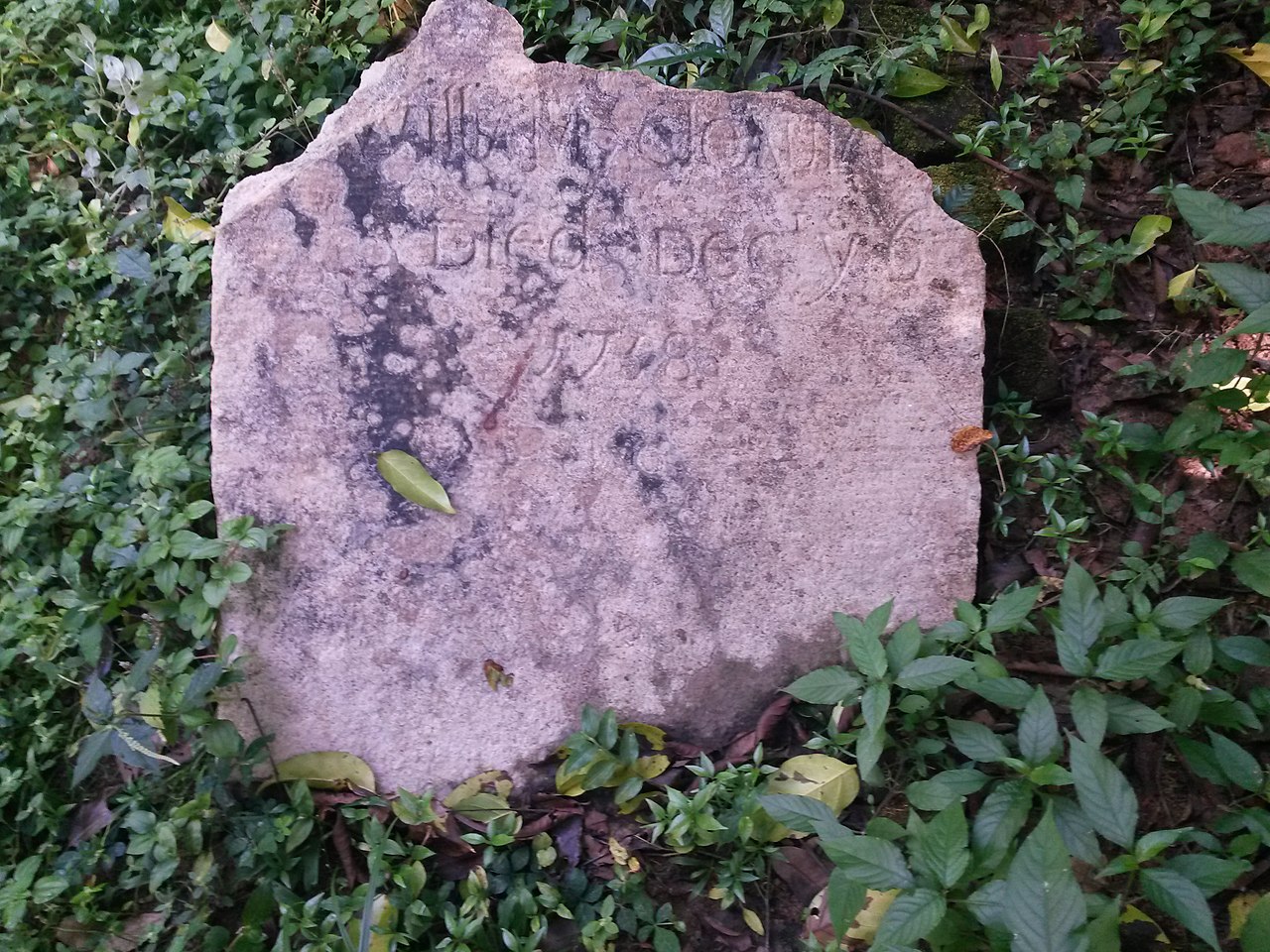
Bunce Island Gravestone 03


Geopolitical Significance and Environmental Context
Bunce Island's strategic importance is rooted in its geographical placement within the Sierra Leone River estuary. Situated approximately 32 kilometers (20 miles) upstream from modern-day Freetown, it commanded a pivotal position at the limit of navigation for ocean-going vessels. This location, within one of Africa's largest natural harbors, provided a secure and accessible base for European trading interests.
The island itself, measuring a modest 502.9 meters by 106.7 meters, offered just enough space for the necessary infrastructure of a trading post. Its proximity to the confluence of the Rokel River and Port Loko Creek facilitated the movement of goods and people from the interior, amplifying its role as a commercial hub during the colonial era. The island's landscape, though small, was shaped by its function, with the construction of fortifications and holding facilities.
The Castle
Erected circa 1670 by the Royal Africa Company, the castle on Bunce Island stands as a stark monument to European colonial enterprise. Initially established as a trading post, its primary function evolved to become a central node in the burgeoning transatlantic slave trade. The castle's architecture, designed for both commerce and control, housed enslaved Africans before their forced embarkation.
This institution was not merely a passive site; it was an active participant in the commodification of human beings. Tens of thousands of Africans, captured and trafficked, passed through Bunce Island, destined for the plantations of the American South, particularly South Carolina and Georgia. The island thus became a critical point of origin for a diaspora that would profoundly shape the cultural, social, and economic fabric of the Americas.
Legacy and Historical Reclamation
The historical narrative of Bunce Island is one of profound human tragedy and enduring consequence. The island's role as a major departure point for enslaved Africans connects it directly to the ancestry of millions of African Americans. Recognizing this critical historical linkage, efforts have been made to preserve and interpret the island's past.
The creation of a 3D animation of the castle in its 1805 state by James Madison University, for the 2007-2008 bicentennial of Britain's abolition of the slave trade, represents a significant step in historical reclamation. This project, coupled with museum exhibits displayed across the U.S. and now housed at the Sierra Leone National Museum, aims to educate contemporary audiences about the realities of the slave trade and the specific role of sites like Bunce Island. These initiatives underscore the importance of confronting difficult histories and understanding their lasting impact.
Socio-Economic Impact and Global Interconnectedness
Bunce Island exemplifies the complex interplay of economics, politics, and human rights that characterized the colonial period. Its strategic location facilitated the accumulation of wealth for European powers and trading companies, built upon the forced labor and suffering of Africans. The island's operations were intrinsically linked to the economic development of the North American colonies, which relied heavily on enslaved labor for their agricultural economies.
The diaspora originating from Bunce Island and similar sites has created enduring cultural and familial connections across continents. Studying Bunce Island provides critical insights into the mechanisms of the slave trade, its devastating human cost, and its long-term global ramifications, including issues of historical memory, reparations, and the ongoing struggle for racial justice.
See also
Frequently Asked Questions
What is Bunce Island and where is it located?+
Why was Bunce Island important for European traders?+
How did Bunce Island become connected to the slave trade?+
Where did many enslaved people from Bunce Island go after leaving the island?+
What is being done today to remember Bunce Island’s history?+
Based on content from Wikipedia · Licensed under CC BY-SA 4.0