

Brontë Country
Images
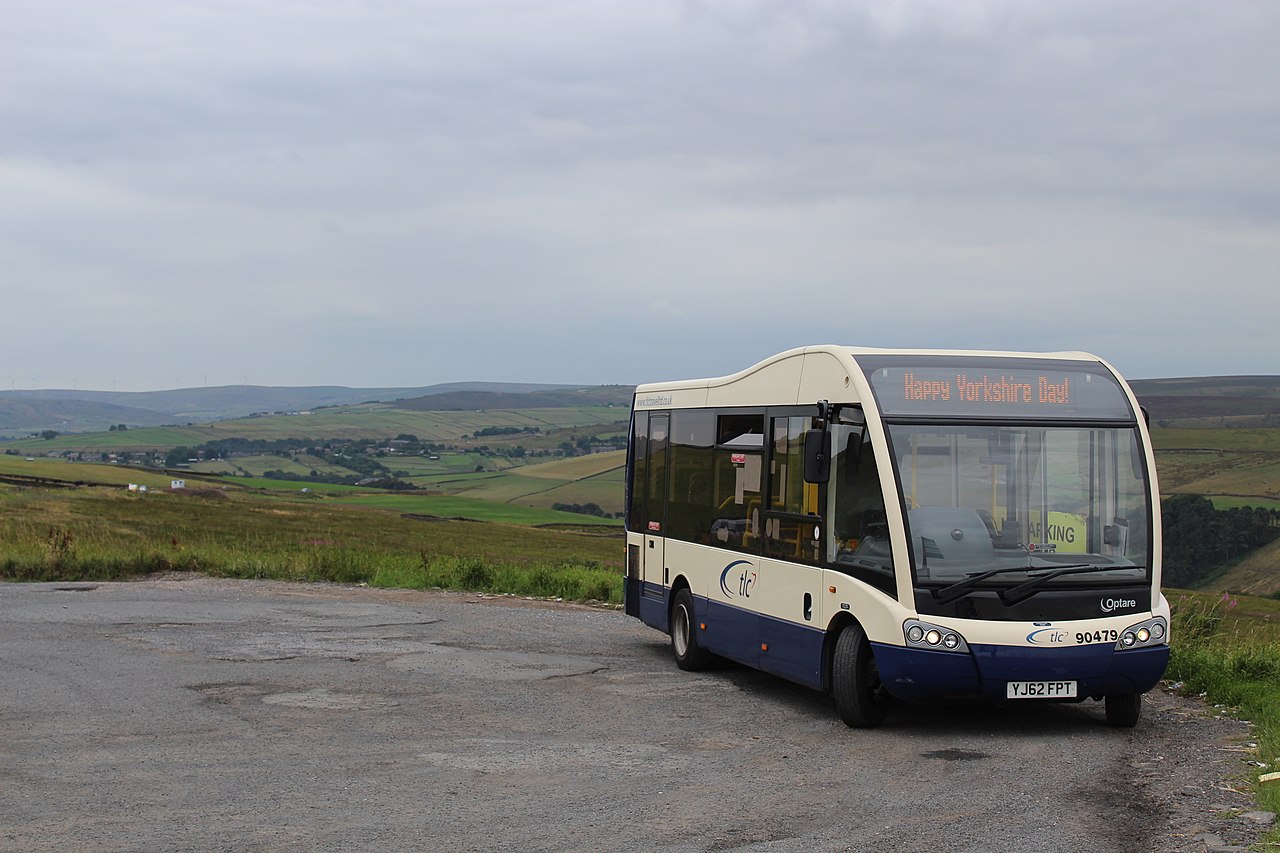
TLC Travel YJ62FPT 90479


The Geological and Climatic Canvas of Brontë Country
Brontë Country is geographically situated within the south Pennine hills, a prominent upland area in Northern England, west of the industrial city of Bradford in West Yorkshire. This region is characterized by its dramatic topography, dominated by expansive, windswept moorlands. These are not gentle, rolling hills but rather rugged expanses shaped by millennia of geological processes, including glacial erosion.
The bedrock is largely composed of gritstone and shale, contributing to the distinctive, often stark, landscape. The vegetation is primarily heather, coarse grasses, and hardy mosses, adapted to the challenging conditions. The climate is a significant factor, marked by high rainfall, frequent winds, and a relatively short growing season.
This often leads to atmospheric conditions of mist and fog, which not only define the visual aesthetic of the moors but also imbue them with a sense of isolation and mystery. The changeable weather patterns, from sudden downpours to fleeting sunshine, create a dynamic and often dramatic natural environment that is intrinsically linked to the emotional intensity found in the Brontë novels. The very air seems to carry a sense of wildness and untamed spirit, a palpable force that influenced the sisters' creative output.
The Genesis of Literary Immortality
The fame of Brontë Country is inextricably tied to the literary genius of Charlotte, Emily, and Anne Brontë. These sisters, residing in the parsonage at Haworth, a village at the heart of this region, found in their surroundings a profound source of inspiration. Charlotte's 'Jane Eyre' explores themes of social class, independence, and passionate love against a backdrop that, while not explicitly named, evokes the brooding atmosphere of the Yorkshire moors.
Emily's 'Wuthering Heights' is perhaps the most direct embodiment of the landscape's wildness, with its tempestuous characters and elemental passions mirroring the untamed nature of the moors themselves. Anne's 'The Tenant of Wildfell Hall' offers a stark portrayal of marital abuse and female resilience, grounded in the social realities of the era but set against the enduring backdrop of the Yorkshire countryside. The isolation of their home, the stark beauty of the moors, and the harsh realities of 19th-century rural life all contributed to the raw, unflinching honesty and psychological depth of their writing, elevating them from regional authors to literary titans whose works continue to be studied and admired globally.
Cultural Resonance and the Enduring Appeal of Brontë Country
Brontë Country functions as a living testament to the enduring power of literature and its connection to place. The region has cultivated a rich cultural identity centered around its most famous literary family. The Brontë Parsonage Museum in Haworth is a focal point, meticulously preserving the sisters' home and personal belongings, allowing visitors to step back in time and gain intimate insights into their lives and creative processes.
This site, along with the surrounding moors, attracts literary tourists, scholars, and enthusiasts from across the globe, seeking to connect with the source of these iconic narratives. The landscape itself has become a character in its own right, its wildness and beauty inextricably linked to the emotional intensity and dramatic scope of the novels. The preservation of this landscape is therefore crucial not only for its ecological value but also for its cultural and historical significance, ensuring that future generations can experience the very environment that inspired some of the most celebrated works in English literature and understand why these stories continue to captivate and provoke thought.
Economic and Social Fabric of the Brontë Region
Historically, the economy of the Brontë region was shaped by its rural setting and proximity to industrial centers like Bradford. Agriculture, particularly sheep farming, was a primary occupation, with the hardy breeds of sheep well-suited to the moorland environment. The challenging terrain and climate limited extensive industrial development within the immediate Brontë Country, though nearby towns like Keighley and Bradford were hubs for textile manufacturing.
In contemporary times, tourism has become a significant economic driver for Brontë Country. The allure of the Brontë sisters and their literary heritage draws a substantial number of visitors, supporting local businesses such as guesthouses, tearooms, and souvenir shops. This influx of tourism necessitates careful management to balance economic benefits with the preservation of the natural and cultural landscape.
The social fabric of villages like Haworth is deeply intertwined with this literary legacy, fostering a unique community identity that celebrates its literary past while adapting to the demands of the modern world. The region's economy, therefore, represents a blend of traditional rural pursuits and a burgeoning heritage tourism sector.
Governance and Educational Significance
The governance of Brontë Country falls under the administrative structures of West Yorkshire, England, with local councils like Bradford Council playing a key role in managing the area's infrastructure, services, and planning. These bodies are responsible for maintaining public access to the moors, preserving historical sites, and supporting local communities. The educational significance of Brontë Country is immense, extending far beyond the immediate geographical area.
The novels of the Brontë sisters are standard texts in English literature curricula worldwide, making Brontë Country a vital location for educational tourism and study. Schools and universities organize trips to the Brontë Parsonage Museum and the surrounding landscape to provide students with a tangible connection to the literary works. This immersive experience enhances understanding of the authors' lives, the historical context of their writing, and the profound influence of their environment on their creative output.
The region serves as a living classroom, illustrating the powerful interplay between geography, history, and literary creation, and fostering a deeper appreciation for the enduring impact of the Brontë legacy on global literature and culture.
See also
Frequently Asked Questions
What is Brontë Country?+
Why are the moors in Brontë Country special?+
How did Brontë Country inspire the Brontë sisters' books?+
Where can we visit the Brontë Parsonage Museum?+
What kind of plants grow on the moors?+
Based on content from Wikipedia · Licensed under CC BY-SA 4.0