

British Motor Museum
Images

British Motor Museum 09-2016


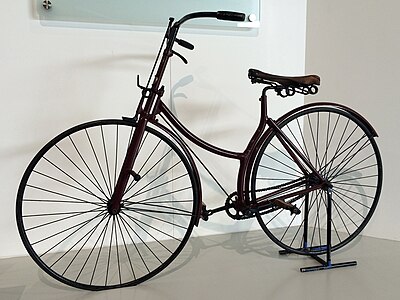


Curating Britain's Automotive Chronicle
The British Motor Museum, situated in Gaydon, Warwickshire, stands as a paramount institution dedicated to the preservation and exhibition of Britain's rich automotive history. It houses the world's most extensive collection of historic British motor vehicles, featuring over 300 cars. This remarkable assembly is a collaborative effort, primarily drawing from the extensive archives of the British Motor Industry Heritage Trust and the Jaguar Heritage Trust.
These organizations are custodians of a significant portion of Britain's industrial past, meticulously collecting, restoring, and maintaining vehicles that span the entire timeline of British car manufacturing. The museum's role extends beyond mere display; it functions as a vital educational resource, offering insights into the technological advancements, design philosophies, and economic impact of the British motor industry throughout the 20th and 21st centuries. It’s a place where the evolution of personal transport is chronicled through tangible artifacts, providing a deep dive into a cornerstone of British industrial identity.
The Genesis and Evolution of a National Archive
The establishment and growth of the British Motor Museum are intrinsically linked to the efforts of various heritage trusts and enthusiasts dedicated to preventing the loss of Britain's automotive legacy. As car manufacturers consolidated, closed, or were absorbed by foreign entities, their historical archives and vehicle collections were often at risk. Organizations like the British Motor Industry Heritage Trust were formed to rescue these invaluable assets.
The Jaguar Heritage Trust, similarly, focuses on preserving the distinct lineage of Jaguar vehicles. The museum in Gaydon serves as the central repository and exhibition space for these combined collections, representing a significant undertaking in industrial archaeology. Its development reflects a growing societal recognition of the importance of preserving not just artistic or architectural heritage, but also the tangible products of industrial innovation that have shaped modern life and national economies.
The Enduring Significance of Automotive Heritage
The British Motor Museum holds profound significance for several reasons. Firstly, it acts as a critical archive, documenting the technological prowess and design ingenuity that once positioned Britain as a global leader in automotive engineering. The cars on display are not merely modes of transport; they are embodiments of innovation, reflecting advancements in engine technology, safety features, and aerodynamic design.
Secondly, the museum plays a vital role in understanding cultural history. Cars are deeply intertwined with social change, personal freedom, and economic development. By preserving and showcasing these vehicles, the museum allows us to explore how automotive culture has evolved and influenced British society.
Furthermore, it serves as an educational platform, inspiring future engineers, designers, and historians by providing direct access to the achievements of the past and highlighting the continuous cycle of innovation that drives industries forward.
A Spectrum of British Automotive Achievement
The collection at the British Motor Museum is remarkably diverse, offering a comprehensive overview of the British automotive landscape. Visitors can trace the lineage of iconic brands, from the early days of Austin and Morris to the sophisticated engineering of Rolls-Royce and Bentley, and the sporting prowess of brands like Triumph and MG. The museum showcases vehicles that represent pivotal moments in automotive history, including groundbreaking designs, record-breaking models, and everyday cars that became staples of British roads.
Beyond passenger cars, the collection may also encompass commercial vehicles and prototypes, providing a holistic view of the industry's output. This breadth ensures that the museum appeals to a wide audience, from casual visitors interested in nostalgic designs to automotive aficionados keen on understanding the technical specifications and historical context of each exhibit.
Connecting Past Innovation to Present Relevance
The British Motor Museum offers more than just a nostalgic trip; it provides crucial context for understanding contemporary automotive trends and challenges. The engineering solutions developed decades ago, from efficient engine designs to early explorations of aerodynamics, laid the groundwork for today's vehicles. Examining the evolution of materials, manufacturing processes, and design aesthetics at the museum can offer parallels to current industry shifts, such as the move towards electric vehicles and sustainable manufacturing.
By understanding the historical trajectory of innovation, we can better appreciate the complexities and opportunities facing the automotive sector today. The museum serves as a reminder that progress is built upon past achievements and that studying history is essential for shaping a forward-looking future in technology and design.
See also
Frequently Asked Questions
What is the British Motor Museum?+
Where is the British Motor Museum located?+
How many cars are in the British Motor Museum?+
Who helped create the British Motor Museum?+
Why is the British Motor Museum important?+
Based on content from Wikipedia · Licensed under CC BY-SA 4.0