

Bridget Phillipson
Images

Ed Miliband & Bridget Phillipson view school solar panels

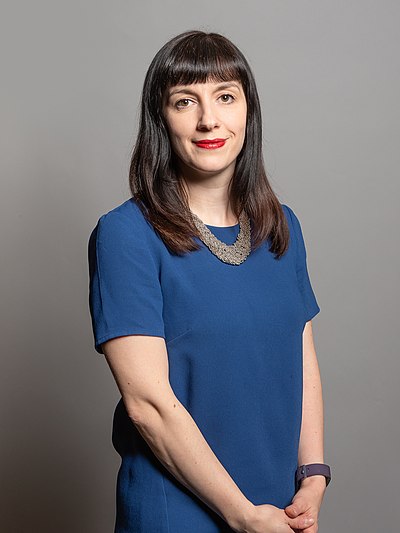


Foundations of Leadership
Bridget Phillipson's political journey is rooted in a strong academic background and early engagement with progressive ideals. Born in Gateshead in 1983, her formative years were marked by a commitment to social justice, evidenced by her joining the Labour Party at the age of fifteen. Her academic pursuits led her to the University of Oxford, a crucible for intellectual development and political discourse, where she co-chaired the Oxford University Labour Club.
This period was crucial in honing her understanding of political theory and practical application. Prior to entering national politics, Phillipson gained invaluable experience in local government and served as a manager at Wearside Women in Need, an organization dedicated to supporting vulnerable women. This direct engagement with community issues provided her with a nuanced perspective on the social and economic challenges faced by ordinary citizens, shaping her policy priorities and approach to governance.
Her election as the Member of Parliament for Houghton and Sunderland South in 2010, at the relatively young age of 26, signaled her emergence as a significant voice within the Labour Party, capable of connecting with and representing her constituents effectively.
Steward of the Future
As Secretary of State for Education, Bridget Phillipson shoulders the immense responsibility of overseeing the United Kingdom's vast educational infrastructure. This role is not merely administrative; it is profoundly strategic, involving the formulation and implementation of policies that will shape the intellectual capital and future workforce of the nation. Her remit encompasses everything from early years education to higher education and vocational training, demanding a comprehensive understanding of pedagogical approaches, funding models, and the evolving demands of the global economy.
Phillipson's tenure is characterized by a focus on ensuring equitable access to quality education, addressing attainment gaps, and fostering an environment where innovation and critical thinking can flourish. The decisions made within this department have long-lasting implications, influencing social mobility, economic productivity, and the overall well-being of society. Her work is akin to orchestrating a complex symphony, ensuring every instrument plays its part harmoniously to create a masterpiece of learning and development for all.
Championing Inclusivity
Complementing her role in education, Bridget Phillipson's position as Minister for Women and Equalities places her at the forefront of the government's agenda to promote social justice and dismantle systemic inequalities. This portfolio demands a proactive and intersectional approach, addressing the multifaceted challenges faced by various marginalized groups, with a particular emphasis on gender equality. Phillipson is tasked with advancing policies that promote equal pay, combat discrimination, and ensure that women and girls have equal opportunities in all spheres of life, from the workplace to public representation.
Her work involves navigating complex social dynamics, advocating for legislative reform, and fostering a culture of inclusivity. This role is critical in ensuring that the benefits of national progress are shared equitably, reflecting a commitment to a society where merit and opportunity are paramount, free from the constraints of prejudice or historical disadvantage. It requires a deep understanding of social justice principles and a persistent drive to effect meaningful change.
Political Evolution
Bridget Phillipson's ascent within the Labour Party has been marked by strategic positioning and consistent performance. Her endorsement of Keir Starmer in the 2020 leadership contest was a pivotal moment, leading to her appointment to the Shadow Cabinet as Shadow Chief Secretary to the Treasury. This role provided her with significant exposure to economic policy and fiscal management.
Her subsequent promotion to Shadow Education Secretary allowed her to deepen her expertise and refine her policy proposals in a field she is passionate about. The Labour Party's victory in the 2024 general election culminated in her appointment as Secretary of State for Education and Minister for Women and Equalities, placing her at the heart of government decision-making. Her candidacy for the deputy leadership of the Labour Party in 2025, though ultimately unsuccessful, underscored her significant influence and respect within the party, demonstrating her readiness for even greater leadership responsibilities.
Her career trajectory exemplifies a steady progression through the ranks, built on a foundation of policy acumen and a clear vision for a more equitable and educated society.
Broader Political Landscape and Future Implications
Bridget Phillipson's roles as Secretary of State for Education and Minister for Women and Equalities place her at the nexus of several critical policy areas that will define the future of the United Kingdom. Her decisions in education directly impact social mobility, economic competitiveness, and the development of an informed citizenry. Simultaneously, her work on equalities addresses fundamental questions of social justice and human rights, aiming to create a more inclusive and representative society.
The challenges she faces are multifaceted, ranging from addressing the long-term impacts of the pandemic on learning to tackling persistent gender pay gaps and ensuring representation for all. Her ability to navigate these complex issues, build consensus, and implement effective policy will be crucial for the government's success and the nation's progress. Her influence extends beyond immediate policy outcomes, shaping the discourse on education and equality for years to come, and her career serves as a case study in contemporary British politics.
See also
Frequently Asked Questions
Who is Bridget Phillipson?+
How did she start her political career?+
What does she do as Secretary of State for Education?+
What is her role as Minister for Women and Equalities?+
Where is she from and when did she become an MP?+
Based on content from Wikipedia · Licensed under CC BY-SA 4.0