

Brian Epstein
Images
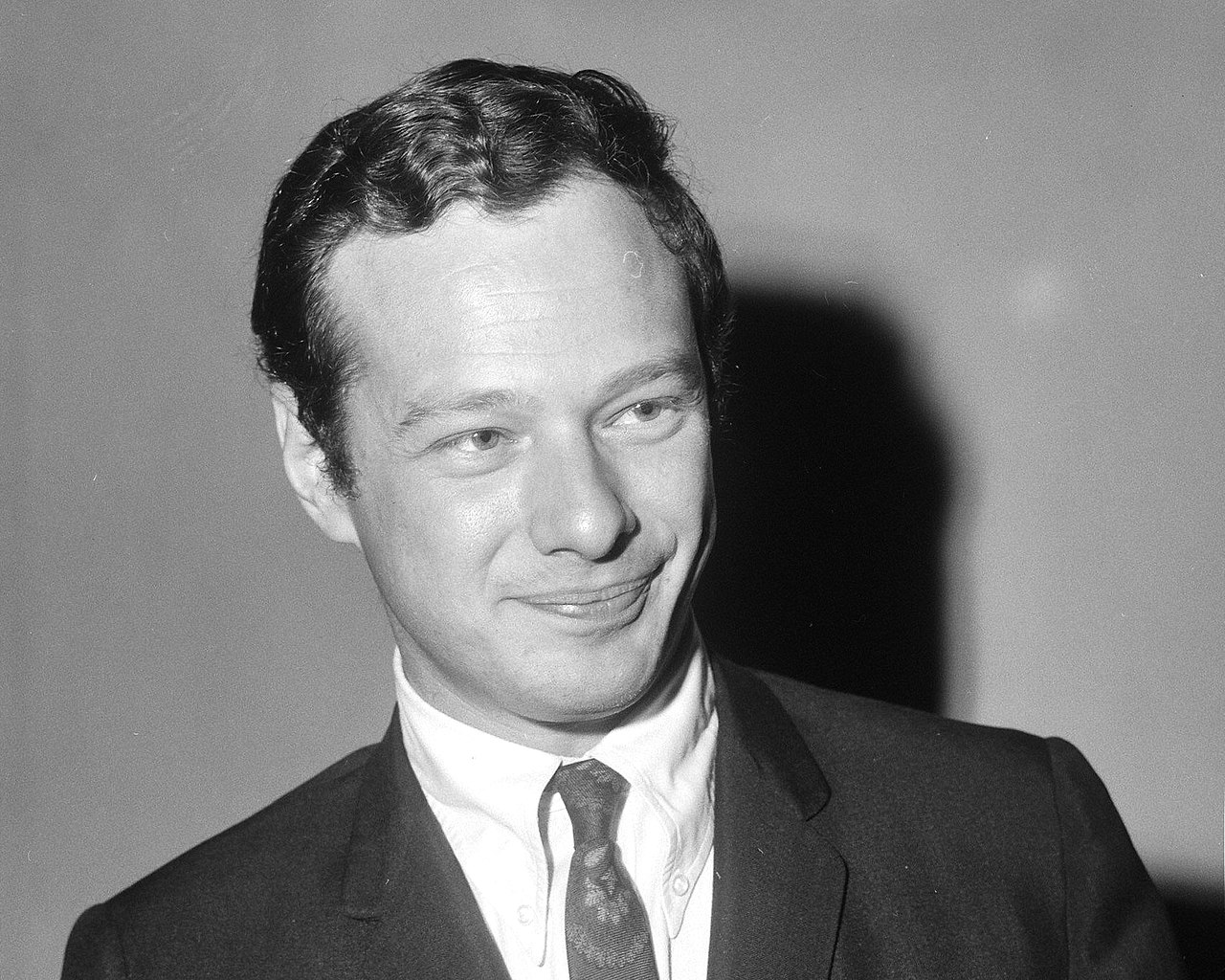
Brian Epstein in 1965


From Retail Scion to Music Maverick
Brian Samuel Epstein (1934–1967) emerged from a prosperous Liverpool retail family to become one of the most influential figures in 20th-century popular music. His family's business, Lewis's, provided him with a foundation in commerce, but it was his discovery of The Beatles in 1961 that catapulted him into international fame. Initially put in charge of his family's record department, Epstein displayed an uncanny ability to identify burgeoning talent.
His first encounter with The Beatles at the Cavern Club was not just a business meeting but a pivotal moment that would redefine the trajectory of popular music. Despite lacking formal experience in artist management, Epstein possessed an intuitive understanding of presentation and marketability, which he would leverage to unprecedented success. His background in retail instilled in him a sense of professionalism and a keen awareness of consumer appeal, qualities that would prove invaluable in navigating the nascent world of pop music management.
The Strategic Reinvention of The Beatles' Image
Epstein's most immediate and impactful contribution to The Beatles' rise was his strategic overhaul of their public image. He recognized that their raw, leather-clad persona, honed in the gritty clubs of Hamburg, while authentic, might be a barrier to mainstream acceptance, particularly on television and radio. Epstein’s decision to dress them in matching suits, introduce them to professional grooming, and encourage a more polite demeanor was a calculated risk.
This 'clean-cut' aesthetic not only made them palatable to a broader, more conservative audience but also created a visually cohesive and instantly recognizable brand. This transformation was crucial in positioning them as the 'Fab Four,' a polished, marketable entity that could conquer global markets. It demonstrated Epstein's understanding that image management was as vital as musical talent in achieving superstardom.
Navigating the Labyrinth of the Music Industry
Securing a recording contract for The Beatles was a monumental challenge that tested Epstein's perseverance. He faced numerous rejections from major record labels, many of whom were hesitant about the band's unique sound and energetic performances. Epstein’s relentless pursuit and unwavering belief in his artists were key.
His persistence eventually led him to EMI, where producer George Martin, despite initial reservations about the band's demo, was persuaded by Epstein’s conviction and the band's undeniable charm. Martin's involvement proved to be a masterstroke, as his production expertise helped shape The Beatles' sound for mass appeal. The subsequent deal with Parlophone, a subsidiary of EMI, was the gateway to global recognition, launching the 'British Invasion' and establishing a new paradigm for artist development and international music marketing.
A Wider Impact and a Tragic End
Epstein's influence extended far beyond The Beatles. He successfully managed a stable of other prominent artists of the era, including Gerry and the Pacemakers, Billy J. Kramer and the Dakotas, Tommy Quickly, and Cilla Black.
His ability to replicate his success with The Beatles across different acts underscored his exceptional talent for artist development and business acumen. He was instrumental in shaping the Merseybeat sound and the broader landscape of 1960s British pop. Tragically, Epstein's life was cut short at the age of 32 in August 1967, following an accidental overdose of alcohol and barbiturates.
His untimely death left a significant void, and many historians believe The Beatles' subsequent creative and business challenges were exacerbated by the loss of his guiding hand. Epstein's legacy is that of a visionary manager who not only discovered and nurtured unparalleled talent but also fundamentally reshaped the music industry through strategic image-making and tenacious deal-making.
Go deeper
Frequently Asked Questions
Who was Brian Epstein?+
How did Brian Epstein change the Beatles' look?+
Why did the Beatles need a manager like Brian Epstein?+
How did Brian Epstein get the Beatles a record deal?+
Did Brian Epstein work with other musicians?+
Based on content from Wikipedia · Licensed under CC BY-SA 4.0