

Braille: Reading with Your Fingers!
Images
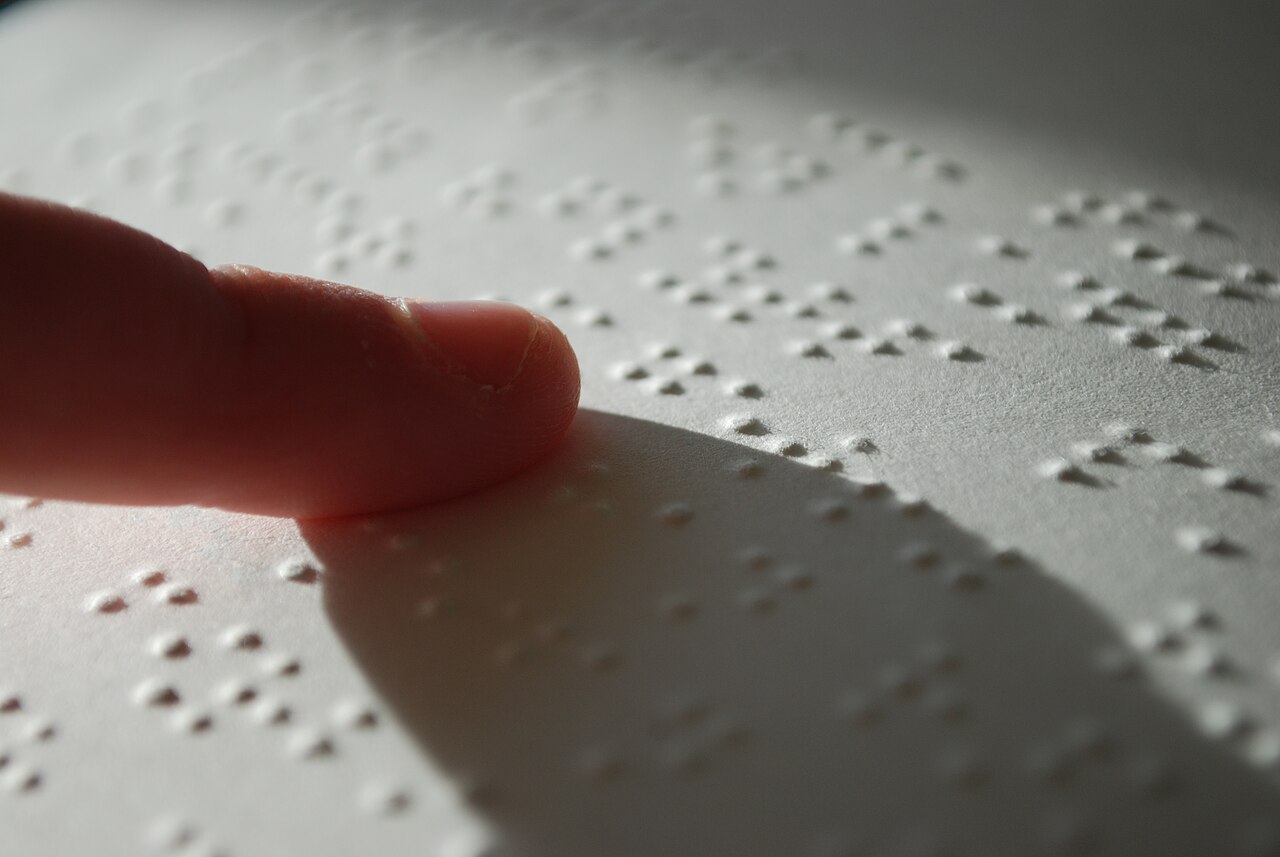
Braille
The Genesis of Braille
The invention of Braille by Louis Braille in the early 19th century was a pivotal moment in the history of accessibility. Blind from the age of three due to a childhood accident, Braille experienced firsthand the limitations of existing methods for reading and writing for the visually impaired. He found inspiration in Charles Barbier de la Serre's 'night writing' system, a phonetic code used by the military for communication in the dark.
While Barbier's system was effective for its purpose, it was complex and primarily phonetic, lacking the ability to represent punctuation or be easily learned. Braille, a prodigious student and musician, recognized the need for a more comprehensive, efficient, and tactile system. He systematically refined the concept of raised dots, reducing the size of the dots and the overall cell structure, making it more manageable for fingertip reading.
His work, initially developed around 1824 and published in its more complete form in 1837, offered a revolutionary pathway to literacy, education, and intellectual engagement for the blind community.
The Elegant Architecture of the Braille Cell
The enduring success of Braille lies in its elegantly simple yet remarkably versatile design. The fundamental unit is the Braille cell, a rectangular space containing six possible dot positions arranged in two vertical columns of three dots each. These positions are numbered 1 through 6, from top-left to bottom-right.
By raising any combination of these six dots, 63 unique patterns can be created. This allows for the representation of the entire alphabet, numerical digits, punctuation marks, and various symbols. Furthermore, Braille can be extended to include contracted forms (like Grade 2 Braille), where common words and letter combinations are represented by single cells, significantly increasing reading speed and reducing the space required for text.
This adaptability makes it suitable for a vast array of content, from novels and scientific texts to musical scores and computer code.
Braille's Profound Societal Impact
The impact of Braille on the lives of visually impaired individuals is immeasurable. It serves as the primary medium for literacy, enabling access to education, employment, and personal enrichment. Without Braille, the ability to independently read books, signs, labels, and digital content would be severely limited.
It fosters cognitive development, critical thinking, and a sense of agency. Braille is not merely a reading system; it is a tool for empowerment that promotes social inclusion and equal opportunity. It allows individuals to participate fully in society, from navigating public spaces with Braille signage to engaging with information through Braille displays and print.
Its existence is a testament to the importance of diverse communication methods in creating an equitable world.
Braille in the 21st Century
In an era dominated by digital technology, Braille has not only endured but has also evolved. Modern assistive technologies have integrated Braille seamlessly into the digital landscape. Refreshable Braille displays, electronic devices that can dynamically present Braille characters, allow visually impaired users to read computer screens, smartphones, and tablets.
This enables access to the internet, email, social media, and a vast array of digital information. Braille embossers can produce hard copies of documents, while specialized software can convert digital text into Braille formats. This synergy between traditional tactile literacy and advanced technology ensures that Braille remains a vital and dynamic tool, bridging the digital divide and continuing to empower individuals in an increasingly connected world.
Go deeper
Based on content from Wikipedia · Licensed under CC BY-SA 4.0