

Boris Spassky
Images

File:Eerste ronde IBM-schaaktoernooi, Boris Spasski, Bestanddeelnr 926-5523.jpg

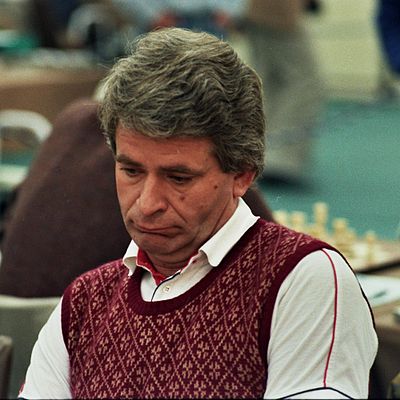


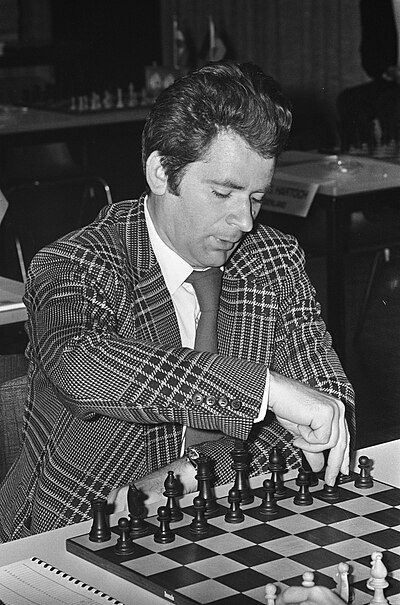


The Ascent of a Soviet Chess Titan
Boris Vasilyevich Spassky, born in 1937, emerged from the highly competitive Soviet chess school, a system renowned for producing world-class players. His early career was marked by a relentless pursuit of excellence, culminating in his first Soviet Championship win in 1961. Spassky's talent was undeniable, characterized by a versatile style that could adapt to various opponents and strategic situations.
He was a frequent contender for the World Championship, participating in the Candidates Tournament multiple times. His first World Championship match appearance in 1966 against Tigran Petrosian showcased his growing strength, though he ultimately fell short. This experience, however, proved invaluable, fueling his determination to capture the ultimate prize.
His victory over Petrosian in the 1969 rematch was a testament to his resilience and strategic depth, solidifying his status as the tenth World Chess Champion and a dominant force in the chess world.
The 1972 Match
The 1972 World Chess Championship match between Boris Spassky and Bobby Fischer transcended the realm of sport, becoming a global spectacle deeply intertwined with the Cold War. Held in Reykjavik, Iceland, the match was framed as a symbolic battle between the Soviet Union and the United States. Spassky, the established champion, represented the Soviet chess machine, while Fischer, an enigmatic American prodigy, embodied a challenge to that dominance.
The match was fraught with tension, psychological warfare, and unprecedented media attention. Fischer's unconventional demands and Spassky's dignified responses created a narrative that captivated the world. Ultimately, Fischer's brilliant play secured him the title, ending Spassky's reign.
This match remains one of the most analyzed and discussed in chess history, not just for its competitive intensity but for its profound cultural and political implications.
Post-Championship Career and Emigration
Following his loss to Fischer, Boris Spassky continued to be a respected figure in the international chess community. He demonstrated his enduring skill by winning the Soviet Championship for a second time in 1973. However, his life took a significant turn in 1976 when he emigrated from the Soviet Union to France, a move that was both surprising and met with considerable attention.
He became a French citizen in 1978 and continued to participate in tournaments, though he was no longer a primary contender for the world title. His later years saw him engage in exhibition matches, including an unofficial rematch against Bobby Fischer in 1992, and he eventually returned to Russia in 2012. Spassky's post-championship life reflects a complex relationship with his homeland and a continued dedication to the game that defined much of his life.
Spassky's Enduring Influence on Chess Strategy
Boris Spassky's contributions to chess strategy are significant. He was known for his profound understanding of positional play, his ability to create subtle advantages, and his excellent endgame technique. Unlike some players who relied on a single, dominant style, Spassky was remarkably adaptable, capable of switching between aggressive tactics and patient maneuvering.
His games often featured a harmonious blend of defensive solidity and offensive creativity, making him a difficult opponent to prepare against. He was a master of prophylaxis, anticipating and neutralizing his opponent's threats before they could materialize. His games are still studied by chess enthusiasts and professionals alike, offering valuable lessons in strategic thinking, piece coordination, and the psychological aspects of competitive chess.
He remains an icon of elegant and intelligent play.
A Life Dedicated to the 64 Squares
Boris Spassky's life was inextricably linked to the chessboard. From his early days as a Soviet prodigy to his reign as World Champion and his later years as a respected elder statesman of chess, he embodied the dedication and intellectual rigor required at the highest levels of the game. His participation in seven World Championship Candidates cycles highlights his sustained excellence over decades.
The 1972 match against Bobby Fischer, while a personal defeat, cemented his place in popular culture and demonstrated the global reach of chess. His emigration and subsequent life in France and return to Russia add further layers to his fascinating biography. Spassky's legacy is that of a brilliant strategist, a gracious competitor, and a pivotal figure in one of the most dramatic eras of chess history, leaving an indelible mark on the sport.
See also
Frequently Asked Questions
Who was Boris Spassky?+
What happened in the 1972 chess match against Bobby Fischer?+
Why did Spassky move to France?+
What style of chess was Spassky known for?+
Did Spassky win any Soviet Championships?+
Based on content from Wikipedia · Licensed under CC BY-SA 4.0