

Bordeaux
Images

Bordeaux


![Mirror d'eau [Bordeaux]](https://live.staticflickr.com/7253/7675678796_b12c83db2e_n.jpg)


Geographical Foundations
Bordeaux's identity is inextricably linked to its geographical setting in southwestern France, strategically positioned on the western bank of the Garonne River estuary. This prime location has historically facilitated maritime trade and shaped the city's development as a major port. The region benefits from an oceanic climate, characterized by mild, humid winters and warm, relatively dry summers, with ample sunshine crucial for grape ripening.
The surrounding landscape is predominantly composed of fertile alluvial plains and gentle slopes, forming the renowned 'terroir' that underpins Bordeaux's global reputation for wine. The Gironde estuary, formed by the confluence of the Garonne and Dordogne rivers, creates a vast maritime gateway, influencing both the local climate and the accessibility for international commerce. This unique confluence of riverine, maritime, and climatic factors creates an environment perfectly suited for viticulture, making Bordeaux a global benchmark for wine production.
Millennia of Influence
Bordeaux's historical trajectory is a complex tapestry woven over two millennia. Founded as 'Burdigala' by the Romans in the 3rd century BC, it rapidly ascended to prominence as a significant Gallo-Roman port. Its strategic importance led to periods of rule under various powers, most notably the English Crown for over 300 years following the marriage of Eleanor of Aquitaine to Henry II in the 12th century.
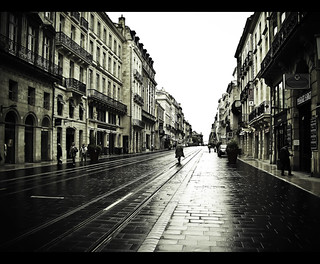
This era profoundly influenced its architecture, language, and trade patterns, particularly in wine. The city flourished during the Age of Sail, becoming a major center for colonial trade, though this also brought periods of unrest and revolution. Its architectural heritage, particularly the elegant 18th-century facades along the Garonne, reflects periods of immense wealth and urban planning, culminating in its recognition as a UNESCO World Heritage site.
Bordeaux's history is a testament to its enduring role as a crossroads of European culture and commerce.
Cultural Tapestry
The cultural landscape of Bordeaux is dominated by its unparalleled viticultural heritage. Wine is not merely an industry here; it is deeply ingrained in the city's identity, traditions, and social life. The meticulous cultivation of grapes and the art of winemaking are celebrated through numerous festivals, museums, and educational institutions dedicated to oenology.
Beyond wine, Bordeaux is a celebrated center of French gastronomy, offering a rich culinary scene that emphasizes fresh, local ingredients. The city's commitment to the arts is evident in its numerous theaters, galleries, and the vibrant street art scene. Its grand 18th-century architecture, meticulously preserved, provides a stunning backdrop for contemporary cultural events, blending historical grandeur with modern dynamism.
The people of Bordeaux possess a distinct pride in their heritage, fostering a sophisticated yet welcoming atmosphere that attracts global visitors.
Economic Powerhouse
Bordeaux's economy is a robust and diversified engine, with its world-renowned wine industry serving as its primary economic driver. The vineyards of Bordeaux produce a significant portion of France's fine wines, generating substantial revenue through domestic sales and international exports, supporting a vast ecosystem of growers, négociants, and logistics providers. Beyond viticulture, the city has emerged as a significant European hub for the aerospace industry, hosting major manufacturing and research facilities.
Other key economic sectors include advanced technology, tourism, and research and development, particularly in fields related to its core industries. The strategic location, coupled with significant investment in infrastructure and innovation, positions Bordeaux as a dynamic economic center within France and Europe, attracting skilled labor and fostering entrepreneurial growth.
Governance and Education
Bordeaux functions as the administrative capital of the Nouvelle-Aquitaine region and the Gironde department, operating under the French republican system of governance. The city is led by a mayor and a municipal council, responsible for local administration, urban planning, and public services. Regional and national political structures influence its development, with significant decision-making power residing at these higher levels.
Education is a cornerstone of Bordeaux's civic life, boasting a comprehensive system from primary to higher education. The University of Bordeaux is a major institution, offering a wide array of programs and contributing significantly to research and innovation, particularly in fields like viticulture, aerospace, and health sciences. This strong educational infrastructure nurtures a skilled workforce and fosters intellectual growth, reinforcing the city's status as a center of learning and progress.
Go deeper
Frequently Asked Questions
What makes Bordeaux famous for wine?+
Where is Bordeaux located?+
Why is the climate in Bordeaux good for growing grapes?+
When did the Romans first build Bordeaux?+
How did being ruled by England change Bordeaux?+
Based on content from Wikipedia · Licensed under CC BY-SA 4.0