

Blockade: When Ships Stop Ships!
Images
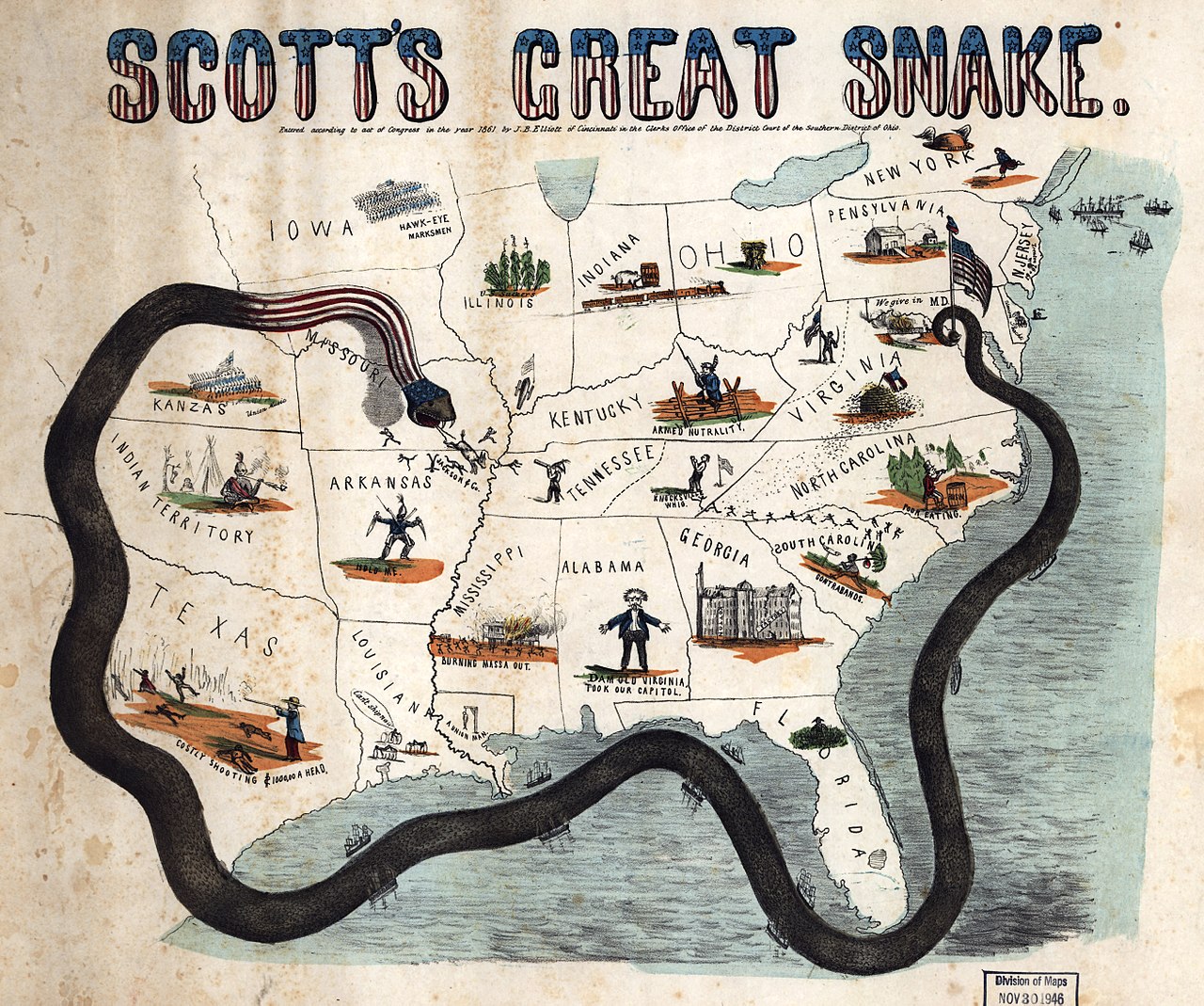
Blockade
The Strategic Imperative
A blockade, in its purest military sense, is the act of using naval power to prevent vessels from entering or leaving a specific port, harbor, or coastline. It is a form of economic warfare designed to isolate an adversary, cutting off vital supplies, trade, and reinforcements. Unlike a mere interdiction, a blockade implies a sustained and comprehensive effort to deny all access, often requiring significant naval resources and a clear declaration of intent.
The effectiveness of a blockade is measured not just by the number of ships stopped, but by its capacity to induce strategic paralysis and compel the targeted entity towards capitulation or negotiation. It represents a calculated application of force, aiming to achieve objectives through attrition and deprivation rather than direct confrontation.
From Ancient Sieges to Globalized Warfare
The practice of blockading ports dates back to antiquity, with early examples found in the Peloponnesian War and Roman naval campaigns. Initially, these were often extensions of land sieges, using rudimentary fleets to starve out coastal cities. The Age of Sail saw blockades become more sophisticated, with nations like Great Britain employing extensive naval power to control sea lanes and disrupt enemy commerce, notably during the Napoleonic Wars.
The advent of steam power, ironclad warships, and later, aircraft and submarines, revolutionized blockade capabilities, allowing for greater range, speed, and a more comprehensive enforcement. The evolution reflects a continuous adaptation to technological advancements, transforming blockades from localized operations to potentially global chokeholds, as seen in the World Wars.
The Multifaceted Significance of Blockades
Blockades carry immense strategic, economic, and humanitarian significance. Strategically, they can be decisive in warfare, crippling an enemy's industrial capacity and military logistics, thereby shortening conflicts and reducing direct casualties on the blockading side. Economically, they can devastate a nation's trade, leading to inflation, unemployment, and social unrest, which can undermine political stability.
However, blockades also raise profound humanitarian concerns. Prolonged blockades can lead to widespread famine and disease, impacting civilian populations disproportionately. International law, particularly the Geneva Conventions, attempts to regulate blockades, distinguishing between military objectives and the protection of civilians, though enforcement and interpretation remain complex and often contentious issues in international relations.
Operationalizing Isolation
Executing a successful blockade involves establishing a carefully coordinated cordon sanitaire around the targeted area. This typically involves deploying a fleet of warships, patrol boats, and aircraft to maintain constant surveillance. Vessels attempting to breach the blockade are subject to inspection, warning, or seizure.
The effectiveness hinges on the blockading force's ability to cover all potential ingress and egress points, including smaller, less obvious routes. Modern blockades may also incorporate electronic surveillance, intelligence gathering, and even cyber operations to enhance their reach and impact. The psychological dimension is also critical; the constant presence of the blockading force serves as a persistent reminder of the enemy's isolation and vulnerability, aiming to erode morale.
Case Studies
Numerous historical conflicts have been significantly influenced by blockades. The Union blockade of the Confederacy during the American Civil War was a critical factor in the South's defeat, severely limiting its access to crucial war materials and foreign aid. During World War I, the Allied blockade of Germany led to severe food shortages and contributed to the collapse of the German home front.
The Cuban Missile Crisis in 1962 saw a U.S. naval 'quarantine' (a form of blockade) of Cuba bring the superpowers to the brink of nuclear war, demonstrating the potent geopolitical leverage of controlling maritime access. These examples underscore how blockades, while often less bloody than direct combat, can be instruments of immense power with far-reaching consequences for the course of history and international order.
Go deeper
Frequently Asked Questions
What is a blockade?+
Why do countries use blockades?+
How does a blockade work?+
When did blockades start?+
What happens to people when a blockade lasts a long time?+
Based on content from Wikipedia · Licensed under CC BY-SA 4.0