

The Black Sox Scandal: A Baseball Secret!
Images
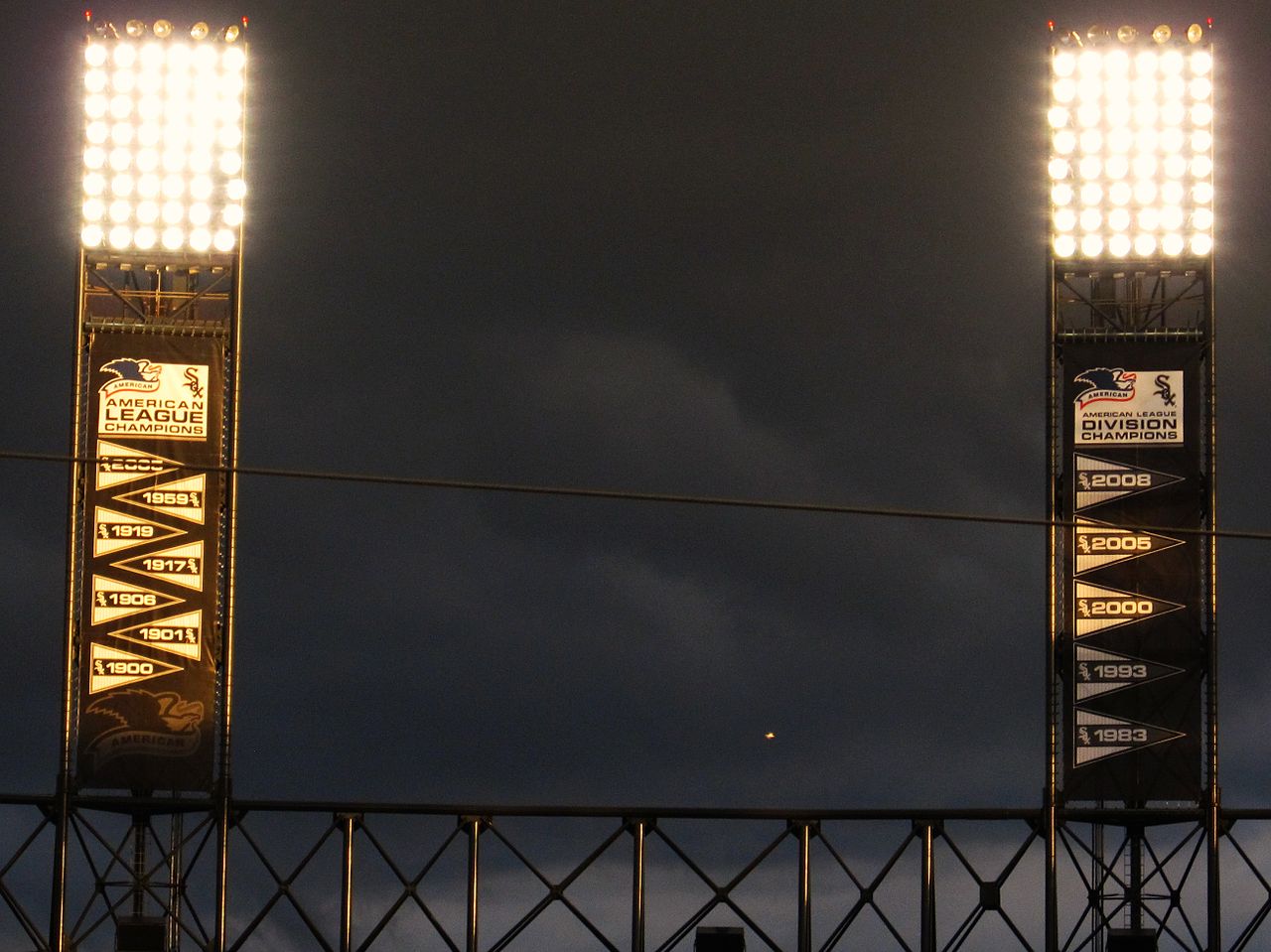
Chicago White Sox Pennants, U.S. Cellular Field, Chicago, Illinois (9181821860)


The Betrayal of the Diamond
The 1919 World Series stands as a dark stain on baseball's storied history, forever remembered as the stage for the Black Sox Scandal. Eight players from the Chicago White Sox were accused of conspiring to lose the championship series against the Cincinnati Reds. This wasn't a spontaneous act of poor sportsmanship; evidence suggests a deliberate plan orchestrated by a gambling syndicate, potentially involving figures like Arnold Rothstein, though his direct leadership remains debated.
The motivation was clear: financial gain through illicit betting. The sheer audacity of players betraying the trust of millions of fans and the integrity of the game sent shockwaves through American society. Baseball, then as now, was more than just a sport; it was a cultural touchstone, and its perceived corruption threatened its very foundation.
The scandal exposed a vulnerability in the sport, highlighting the potential for greed to undermine athletic competition and fan loyalty.
The Shadow of Organized Crime and the Birth of a Commissioner
The involvement of a gambling syndicate, and the possible links to organized crime, elevated the Black Sox Scandal from a mere cheating incident to a societal concern. While definitive proof of direct organized crime leadership is elusive, the presence of a sophisticated betting operation was undeniable. This threat to baseball's legitimacy prompted a radical restructuring of its governance.
The National Baseball Commission, which had overseen the sport, was dissolved. In its place, a powerful new figure emerged: Judge Kenesaw Mountain Landis. Appointed as the first Commissioner of Baseball, Landis was granted absolute authority to restore faith in the game.
His mandate was clear: to purge the sport of corruption and ensure its future integrity. This marked a pivotal shift in how professional sports were managed, establishing a precedent for strong, centralized leadership focused on ethical conduct.
Justice, Banishment, and the Long Road to Reinstatement
Despite being acquitted in a public trial in 1921, the eight implicated players faced a fate far more severe than legal judgment. Commissioner Landis, determined to make an example and safeguard baseball's reputation, permanently banned all of them from professional baseball. This decision was absolute and unforgiving, effectively ending their careers and casting a long shadow over their legacies.
The Baseball Hall of Fame subsequently defined this punishment as permanent exclusion from consideration. For decades, pleas for reinstatement, most notably for the exceptionally talented 'Shoeless Joe' Jackson, were met with steadfast refusal. The ban became a symbol of baseball's commitment to its principles, but also a point of contention regarding the severity and permanence of punishment, especially for individuals who had already paid a significant price.
A Century of Exclusion and the Echoes of the Past
The ban imposed on the Black Sox players endured for an astonishing 106 years, a testament to the profound impact of their alleged actions. This extended period of exclusion meant that the scandal's repercussions were felt across generations. It wasn't until 2025 that Commissioner Rob Manfred, following discussions that included commentary from then-President Donald Trump, officially reinstated the Black Sox players, along with several other deceased individuals like Pete Rose, who had also faced significant disciplinary actions.
This historic reinstatement, occurring half a century after the last surviving banned player passed away, signifies a complex evolution in baseball's approach to historical grievances and player discipline. It raises questions about forgiveness, the passage of time, and how modern sports leagues grapple with the legacies of past transgressions.
See also
Frequently Asked Questions
What was the Black Sox Scandal?+
Why did the eight White Sox players try to lose the World Series?+
Who became the first Commissioner of Baseball after the scandal?+
How long were the players banned from baseball?+
When were the players finally allowed back into the Hall of Fame?+
Based on content from Wikipedia · Licensed under CC BY-SA 4.0