

Biography: Stories of Real People!
Images
Biography
Defining the Genre
Biography, at its core, is the detailed account of a person's life, typically written by someone other than the subject. It straddles the line between history and literature, demanding rigorous factual accuracy while employing narrative techniques to engage the reader. Unlike a simple chronological listing of events, a biography seeks to interpret the subject's experiences, motivations, and impact within their historical and social context.
The biographer acts as both an investigator, uncovering facts through extensive research, and a storyteller, weaving these facts into a compelling and coherent narrative. The genre encompasses a wide spectrum, from hagiography (overly reverential accounts) to critical analyses, each approach shaping how the subject is perceived.
Evolution of the Form
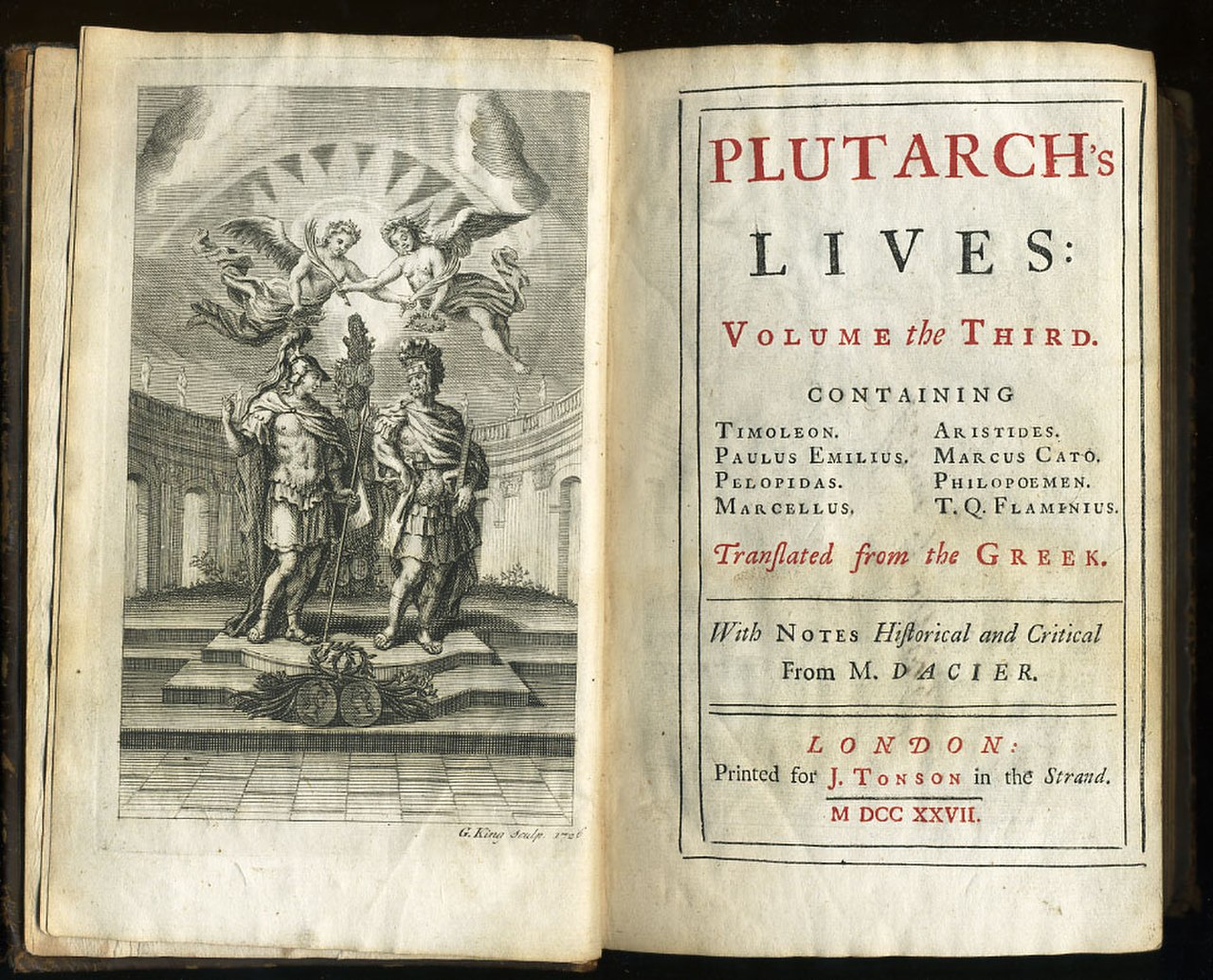
The practice of documenting lives dates back to antiquity, with figures like Plutarch's 'Parallel Lives' offering moral exemplars. Early biographies often served didactic or political purposes, celebrating heroes or condemning villains. The Renaissance saw a greater emphasis on individual achievement, while the Enlightenment brought more secular perspectives.
The 19th century witnessed the rise of the 'great man' theory of history, fueling biographies of leaders and innovators. The 20th century introduced more critical approaches, including psychobiography, which applies psychological theories to understand a subject's behavior and development. The digital age has further democratized and diversified biography, with online platforms and multimedia formats expanding its reach and possibilities.
The Significance of Biography
Biographies serve multiple crucial functions in society. They act as historical records, preserving the memory and achievements of individuals who have shaped the past. They function as windows into different eras, offering readers a tangible connection to bygone times and diverse cultures.
Furthermore, biographies can serve as mirrors, reflecting aspects of our own lives and prompting self-examination. By exploring the struggles, triumphs, and ethical dilemmas faced by others, readers can gain perspective, develop empathy, and find inspiration for their own lives. They can challenge societal norms, highlight overlooked figures, and contribute to ongoing debates about identity, power, and legacy.
Methodological Challenges and Ethical Considerations in Biographical Writing
The craft of biography is fraught with challenges. Biographers must navigate the complexities of source material, discerning fact from fiction, bias from objectivity. Access to private papers, family secrets, and conflicting accounts requires careful evaluation and triangulation of evidence.
Ethical dilemmas abound: how much personal detail is appropriate to reveal? How should controversial aspects of a subject's life be handled? The biographer's own biases and perspectives inevitably influence the narrative, raising questions about authorial authority and representation.
Balancing the desire to tell a complete story with the need for discretion and respect for the subject's privacy is a constant negotiation.
Contemporary Relevance
In today's information-saturated world, biography remains a vital genre. It offers a human-centered lens through which to understand complex historical events and societal trends. As discussions around identity, representation, and social justice intensify, biographies of marginalized figures and underrepresented communities gain increasing importance, challenging dominant narratives and offering new perspectives.
The rise of digital media has also led to new forms of biographical storytelling, including interactive timelines, multimedia essays, and collaborative projects. Ultimately, biography continues to fulfill a fundamental human need to understand ourselves and our place in the world by exploring the lives of others.
Go deeper
Frequently Asked Questions
What is a biography?+
How do biographers find the facts for a biography?+
Why are biographies important?+
How can biographies help us learn about ourselves?+
What are some challenges biographers face?+
Based on content from Wikipedia · Licensed under CC BY-SA 4.0