

Big Butte Creek
Images

Penstemon angustifolius



Geomorphological Genesis and Hydrological Flow Dynamics
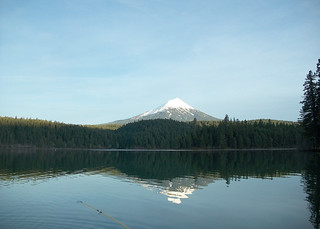
Big Butte Creek, a 12-mile-long tributary of the Rogue River, represents a significant hydrological feature within Jackson County, Oregon. Its watershed encompasses approximately 245 square miles, a landscape sculpted by the geological forces of the Cascade Range. The creek's origin is rooted in the high elevations near Mount McLoughlin, where its two principal forks, the North Fork and South Fork, originate.
These headwaters are characterized by steep gradients and alpine environments, contributing to the creek's initial flow dynamics. The confluence of these forks near Butte Falls marks the transition to the main stem, which then follows a predominantly westward trajectory. This flow pattern is influenced by regional topography and geological structures, guiding the water towards its ultimate destination: the Rogue River.
The creek's discharge is further managed by diversions for agricultural use and contributes to the broader hydrological system of the Rogue River Basin, impacting downstream ecosystems and water availability. The proximity to Lost Creek Lake and William L. Jess Dam highlights the creek's integration into a larger water management infrastructure.
Stratified Human Habitation and Historical Land Use Transformation
The Big Butte Creek watershed boasts a profound human history, stretching back over 8,000 years. Archaeological evidence points to early human settlements, with the Klamath, Upper Umpqua, and Takelma tribes being prominent historical inhabitants who developed deep cultural and ecological connections to the region. The mid-19th century marked a period of significant upheaval with the Rogue River Wars, resulting in the displacement and tragic loss of life for many Native Americans.
Subsequent waves of white settlers arrived in the 1860s, drawn by the natural resources. They named the creek after Mount McLoughlin, then known as Snowy Butte, reflecting the prominent geographical landmark. The late 19th and early 20th centuries saw the watershed primarily utilized for agriculture and logging, industries that significantly altered the landscape.
The incorporation of Butte Falls in 1911 established the sole incorporated municipality within the watershed, serving as a focal point for community development and resource management. This historical trajectory illustrates a transition from indigenous stewardship to resource extraction and settlement.
The Hydro-Ecological Significance of Big Butte Springs
Big Butte Creek's most remarkable attribute is its role as a critical source of potable water, primarily through the Big Butte Springs. These springs are a geological marvel, exhibiting an exceptionally high discharge rate of over 26 million US gallons per day. This sustained flow makes them a vital component of the regional water supply infrastructure, providing clean drinking water to an estimated 115,000 residents in the Rogue Valley.
The purity of the spring water is a testament to the underlying geological formations and the watershed's natural filtration processes. Beyond its domestic use, water from Big Butte Creek is also strategically diverted for irrigation, supporting the agricultural economy of the surrounding areas. This dual function underscores the creek's multifaceted importance, balancing ecological needs with human demands for water resources.
The sustainable management of these springs is paramount for ensuring long-term water security and ecosystem health.
Biodiversity Hotspot and Conservation Imperatives
The ecological integrity of the Big Butte Creek watershed is exceptional, supporting a rich and diverse array of flora and fauna. The creek's generally high water quality provides a robust habitat for various trout and salmon species, crucial for both recreational fishing and the health of the aquatic food web. The terrestrial environment is equally vibrant, hosting over 152 avian species, 63 mammalian species, and 19 reptilian species, creating a complex and interconnected ecosystem.
A notable aspect of the watershed's conservation is the designation of the Poverty Flats region as an Area of Critical Environmental Concern by the Bureau of Land Management in 1995. This designation highlights the presence of several rare plant species, necessitating targeted protection strategies to preserve their populations and genetic diversity. The watershed serves as a microcosm for understanding the intricate relationships between water resources, geological features, and biological communities, emphasizing the need for ongoing scientific research and proactive conservation efforts.
See also
Based on content from Wikipedia · Licensed under CC BY-SA 4.0