

Benidorm: Spain's Sunny Skyscraper City!
Images

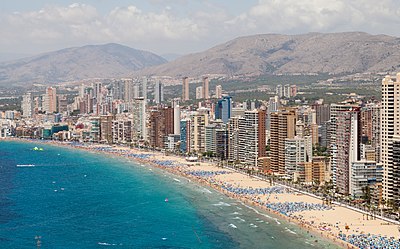
Benidorm High Rise #dailyshoot #Benidorm #Spain




The Genesis of a Tourist Metropolis
Benidorm's transformation into a major tourist hub is a compelling narrative of strategic development and evolving societal leisure patterns. Its origins as a small fishing community on the Mediterranean coast belied its future potential. The initial impetus for change came with the expansion of its port in 1925, a move that facilitated greater connectivity and hinted at commercial possibilities beyond traditional fishing.
However, the true catalyst for Benidorm's ascent was the post-World War II era, particularly the 1950s. During this period, Spain, seeking to boost its economy, actively promoted tourism. Benidorm became a prime beneficiary, drawing significant numbers of domestic tourists, especially from inland cities like Madrid, who sought respite and recreation in its favorable climate and coastal setting.
This era saw the foundational development of its hotel infrastructure, laying the groundwork for its future international renown.
Architectural Identity
The defining characteristic of modern Benidorm is its dramatic skyline, dominated by a dense concentration of high-rise buildings. This architectural style earned it the evocative nickname 'New York of the Mediterranean.' The decision to build upwards was a pragmatic response to the high demand for accommodation in a geographically constrained, prime coastal location. This vertical development allowed Benidorm to maximize its tourism capacity, offering a vast number of hotel rooms and apartments within a relatively compact area.
The proliferation of skyscrapers transformed the town's visual identity, creating a unique urban landscape that, while sometimes criticized for its density, is undeniably its most recognizable feature. This architectural choice reflects a deliberate strategy to cater to mass tourism and optimize land use.
Socio-Economic Dynamics
Benidorm's permanent population of approximately 70,450 residents (as of 2020) coexists with a vastly larger, fluctuating number of international tourists. This demographic dynamic shapes the city's social and cultural landscape. Primarily drawing visitors from the United Kingdom, Benidorm has become a melting pot of cultures, fostering a vibrant, cosmopolitan atmosphere.
The economy is almost entirely dependent on the tourism sector, encompassing a wide array of services including hospitality, retail, and entertainment. This reliance makes Benidorm highly sensitive to global travel trends and economic conditions. The constant influx of visitors necessitates a robust infrastructure and a workforce skilled in catering to diverse international needs, creating a unique symbiosis between residents and tourists that defines daily life.
Governance and Development in a Tourist Economy
As a municipality within the province of Alicante and the Valencian Community, Benidorm operates under the framework of Spanish regional and national governance. The local government plays a crucial role in managing the city's development, particularly in balancing the demands of a thriving tourism industry with the needs of its permanent residents. Key policy areas likely include urban planning, infrastructure development, environmental management, and the regulation of the hospitality sector.
The city's economic model, heavily reliant on tourism, means that governance decisions are often geared towards enhancing the visitor experience and ensuring the continued appeal of Benidorm as a holiday destination. This involves ongoing investment in attractions, services, and maintaining its reputation as a safe and enjoyable place to visit.
The Educational Landscape of a Global Destination
The educational system in Benidorm, like in other Spanish municipalities, is structured to serve its permanent population. This includes primary and secondary schools that provide foundational education in accordance with national curricula. Given Benidorm's status as a major international tourist destination, there is also a potential need for specialized vocational training programs within the education sector, particularly focusing on hospitality, languages, and tourism management.
These programs would equip local residents with the skills necessary to thrive in the dominant tourism industry. While the primary focus is on educating the resident population, the multicultural environment might also influence educational approaches, potentially incorporating language support or intercultural awareness initiatives. The educational institutions are integral to providing the skilled workforce that underpins Benidorm's economic success.
See also
Frequently Asked Questions
What makes Benidorm special?+
How did Benidorm change from a fishing village?+
Why are there so many high‑rise buildings in Benidorm?+
Where do most visitors to Benidorm come from?+
How does Benidorm’s economy work?+
Based on content from Wikipedia · Licensed under CC BY-SA 4.0