

Beaks: Nature's Amazing Tools!
Images
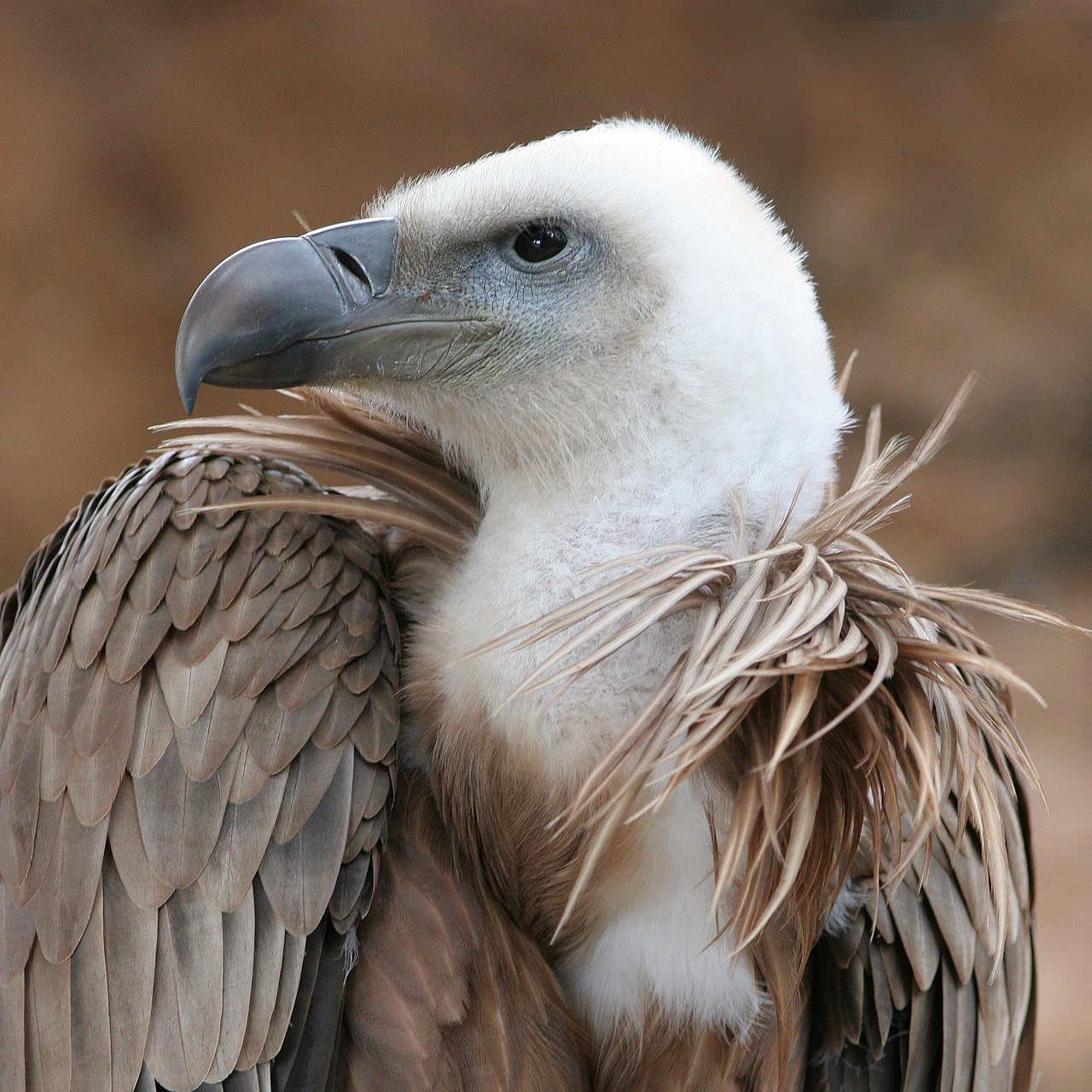
Vulture Beak Sideview A


The Beak as a Multifunctional Appendage
The avian beak, or rostrum, stands as a prime example of convergent evolution and adaptive radiation, serving as a primary interface between an organism and its environment. Its functions extend far beyond simple ingestion, encompassing a remarkable array of behaviors critical for survival and reproduction. Birds utilize their beaks for precise manipulation of food items, from the delicate extraction of insects from bark by a nuthatch to the powerful crushing of nuts by a macaw.
Preening, a vital behavior for maintaining feather integrity and insulation, is performed meticulously with the beak. Furthermore, beaks play significant roles in nest construction, where they are used to gather, shape, and transport building materials. In social contexts, beaks are employed in aggressive displays, territorial defense, and elaborate courtship rituals, often involving mutual preening or the presentation of food.
The ability to feed young, often involving regurgitation or direct placement of food, is also entirely dependent on the beak's structure and dexterity. This multifaceted utility underscores the beak's central role in avian ecology.
Morphological Diversity
The sheer morphological diversity of beaks across avian species is staggering, reflecting millions of years of adaptation to distinct ecological niches and dietary specializations. This variation is not merely superficial; it is deeply rooted in functional morphology. For instance, the long, slender, decurved beaks of sunbirds are perfectly adapted for reaching nectar deep within floral corollas, while the short, stout, conical beaks of finches are optimized for cracking seeds of varying hardness.
Raptors, such as eagles and hawks, possess sharply hooked beaks designed for shearing flesh, a stark contrast to the broad, flattened bills of waterfowl, which are equipped with lamellae for filtering small invertebrates from water and mud. Even within closely related species, subtle beak differences can signify distinct feeding strategies, allowing for resource partitioning and reducing interspecific competition. Beyond birds, analogous beak-like structures have evolved independently in other taxa, including the monotreme platypus, various fish like billfish, and cephalopods, demonstrating the evolutionary advantage of such a specialized mouthpart.
Anatomical Underpinnings and Material Science
At its core, the beak is a derivative of the jawbones, comprising the upper and lower mandibles. These bony structures provide the skeletal framework and leverage for beak function. Encasing these bones is the rhamphotheca, a specialized epidermal layer composed of keratin.
This material is remarkably strong yet lightweight, offering durability against wear and tear from foraging and manipulation. The keratin is arranged in distinct layers, with the periosteal layer (closer to the bone) and the dermal layer contributing to its resilience. The surface texture and hardness of the rhamphotheca can vary significantly depending on the beak's function; for example, the cutting edges of a raptor's beak are exceptionally sharp.
The presence of nares, typically two openings within the beak, facilitates respiration, though their size and position can also influence aerodynamic efficiency during flight or feeding. The intricate interplay between the bony substrate and the keratinous covering allows for the remarkable range of beak forms and functions observed in nature.
Evolutionary Significance and Ecological Impact
The evolution of the beak represents a pivotal development in vertebrate history, particularly for birds. It freed them from the limitations of jaw musculature and teeth (which were largely lost in modern birds), enabling greater specialization and efficiency in feeding. This dietary flexibility has been a key factor in the extraordinary success and diversification of birds, allowing them to colonize virtually every terrestrial and aquatic habitat on Earth.
The beak's form is a direct reflection of its ecological role; beak morphology is a powerful indicator of a species' diet, foraging strategy, and niche. Studies of beak variation, such as Peter and Rosemary Grant's long-term research on Darwin's finches in the Galápagos, have provided direct evidence of natural selection acting on beak shape in response to environmental changes, such as droughts affecting seed availability. Understanding beak evolution offers profound insights into speciation, adaptation, and the intricate dynamics of ecosystems.
Go deeper
Frequently Asked Questions
What is a bird's beak and why is it special?+
How do different birds use their beaks to eat?+
Why do some birds have hooked beaks while others have flat ones?+
How does a beak help birds keep their feathers clean?+
Can animals other than birds have beak-like parts?+
Based on content from Wikipedia · Licensed under CC BY-SA 4.0