

Beaches in estuaries and bays
Images

Beaches in estuaries and bays
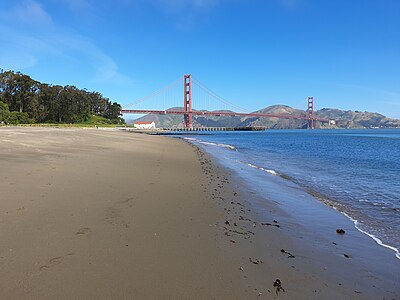


Geomorphological Dynamics of Estuarine and Bay Beaches
Beaches within estuaries and bays exhibit distinct geomorphological characteristics shaped by a complex interplay of fluvial, tidal, and marine processes. Unlike open coastlines, these environments are often semi-enclosed, leading to reduced wave energy and fetch, which influences sediment transport and beach morphology. Tidal currents play a dominant role, creating characteristic features such as tidal channels, sand flats, and intertidal beach faces.
Sediment composition is highly variable, influenced by the lithology of the contributing river systems and the nature of the adjacent marine environment. Erosion and accretion patterns are dynamic, responding to changes in river discharge, tidal regimes, and sea-level fluctuations. The presence of salt marshes or mangrove forests adjacent to these beaches further modifies wave energy and sediment dynamics, creating a unique coastal landscape.
Ecological Niches and Biodiversity Hotspots
Estuarine and bay beaches are ecological powerhouses, serving as critical habitats and transitional zones for a vast array of flora and fauna. The brackish water, characterized by fluctuating salinity levels, supports specialized communities adapted to these variable conditions. These beaches are renowned as vital nursery grounds for numerous fish and invertebrate species, providing shelter, foraging opportunities, and protection from predators for their juvenile stages.
The intertidal zones are rich in benthic organisms, forming the base of complex food webs. Furthermore, these areas are crucial stopover points and breeding grounds for migratory and resident bird populations. The ecological services provided, such as nutrient cycling and carbon sequestration, are fundamental to the health of the wider coastal and marine ecosystems.
Ecosystem Services and Coastal Resilience
The beaches within estuaries and bays provide indispensable ecosystem services that contribute significantly to coastal resilience and human well-being. They act as natural filtration systems, intercepting sediments, nutrients, and pollutants from terrestrial runoff before they reach the open ocean, thereby improving water quality. These coastal environments also play a vital role in coastal defense.
The beaches, often backed by salt marshes or dunes, absorb and dissipate wave energy during storm events, reducing erosion and mitigating the impact of storm surges on inland areas. This natural buffering capacity is increasingly important in the face of rising sea levels and projected increases in storm intensity, offering a cost-effective and ecologically sound approach to coastal protection.
Human-Environment Interactions and Management Challenges
Historically, estuaries and bays have been centers of human activity, supporting fishing, trade, and settlement due to their sheltered waters and abundant resources. Today, these areas continue to be highly valued for recreation, tourism, and scientific research. However, their ecological sensitivity and proximity to human populations present significant management challenges.
Issues such as habitat degradation, pollution, coastal development, and the impacts of climate change require integrated and adaptive management strategies. Balancing human use with the conservation of these unique ecosystems is paramount to ensuring their long-term ecological integrity and the continued provision of their vital services.
See also
Based on content from Wikipedia · Licensed under CC BY-SA 4.0