

Baroque architecture
Images
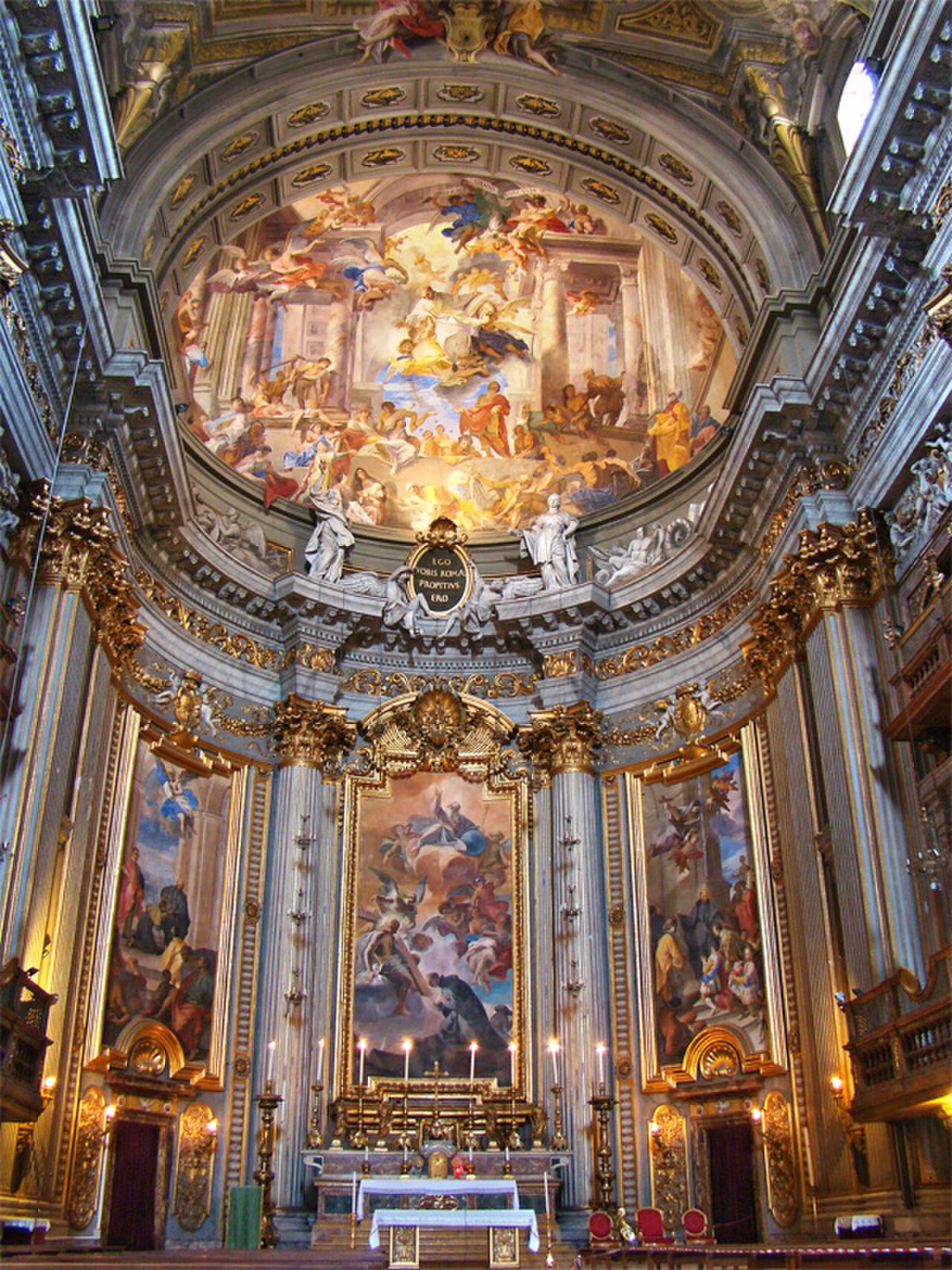
Baroque architecture
From Renaissance Restraint to Baroque Spectacle
Baroque architecture emerged in Rome around 1600, marking a significant departure from the balanced, rational ideals of the Renaissance. Fueled by the Counter-Reformation and the consolidation of monarchical power, it was conceived as a tool for persuasion and emotional engagement. Architects sought to create a sensory experience that would overwhelm the viewer, fostering a sense of divine presence or royal magnificence.
This style was characterized by its dynamism, theatricality, and a departure from strict geometric forms. It aimed to move the soul, not just please the eye with harmonious proportions. The Catholic Church, in particular, embraced Baroque to reaffirm its spiritual authority and draw believers back with breathtaking displays of faith and grandeur, while secular rulers used it to project an image of absolute power and wealth, commissioning monumental palaces and urban planning projects that reshaped cities.
The Language of Baroque
The visual language of Baroque architecture is one of dramatic contrasts and dynamic forms. Architects employed curved walls, oval plans, and elaborate facades that seemed to ripple and swell, creating a sense of movement and energy. The interplay of light and shadow (chiaroscuro) was crucial, with deep niches, projecting columns, and dramatic lighting effects used to sculpt space and evoke emotion.
Materials were chosen for their richness and ability to convey opulence: abundant use of marble in various colors, gilded stucco, bronze, and intricate carvings. Ceiling frescoes often employed trompe-l'œil techniques, creating illusions of infinite space that opened up to celestial visions, further enhancing the theatrical and immersive quality of the interiors. The overall effect was one of controlled chaos, a deliberate departure from classical order to achieve a more powerful emotional impact.
The Purpose and Power of Baroque Design
The 'why' behind Baroque architecture is deeply intertwined with the socio-political and religious landscape of its time. It served as a potent instrument of propaganda for both the Church and the State. For the Church, it was about reaffirming Catholic doctrine and inspiring devotion through overwhelming beauty and spiritual intensity, making religious experiences more visceral and compelling.
For monarchs, Baroque palaces and urban designs were designed to impress subjects and foreign dignitaries alike, symbolizing the ruler's divine right, immense wealth, and absolute control. The scale, the lavishness, and the sheer theatricality of these structures were intended to awe, to intimidate, and to reinforce the established order. It was architecture as a performance, designed to shape perception and command respect.
Global Reach and Enduring Legacy
While originating in Italy, Baroque architecture rapidly disseminated across Europe and was carried to the Americas and Asia through colonial expansion. Each region adapted the style to local materials, traditions, and needs, resulting in diverse interpretations. Examples range from the grandeur of St.
Peter's Square in Rome and the Palace of Versailles in France to the intricate churches of Latin America and the palaces of St. Petersburg. Even after the Baroque period officially waned, its influence persisted, particularly in its emphasis on dramatic effects and its integration of art and architecture.
Elements of Baroque design can be seen influencing later styles, and its legacy continues to shape our understanding of how architecture can be used to express power, faith, and cultural identity.
Baroque's Echoes in the Modern World
Though the Baroque era ended centuries ago, its principles and aesthetic sensibilities continue to resonate. The desire to create impactful, emotionally engaging spaces is a constant in design. Modern architects and urban planners, while employing different styles, still grapple with how buildings can communicate messages of prestige, community, or spiritual significance.
The Baroque’s mastery of illusion, its integration of diverse art forms, and its understanding of how space can influence human experience offer timeless lessons. Furthermore, many Baroque structures are now UNESCO World Heritage sites, drawing millions of visitors who are still captivated by their dramatic beauty and historical narratives, demonstrating the enduring power of this once-dominant architectural language.
Go deeper
Frequently Asked Questions
What is Baroque architecture?+
Why did the Catholic Church use Baroque architecture?+
How does Baroque architecture make people feel?+
Where did Baroque architecture spread?+
What are some special features of Baroque buildings?+
Based on content from Wikipedia · Licensed under CC BY-SA 4.0