

Balearic Islands
Images
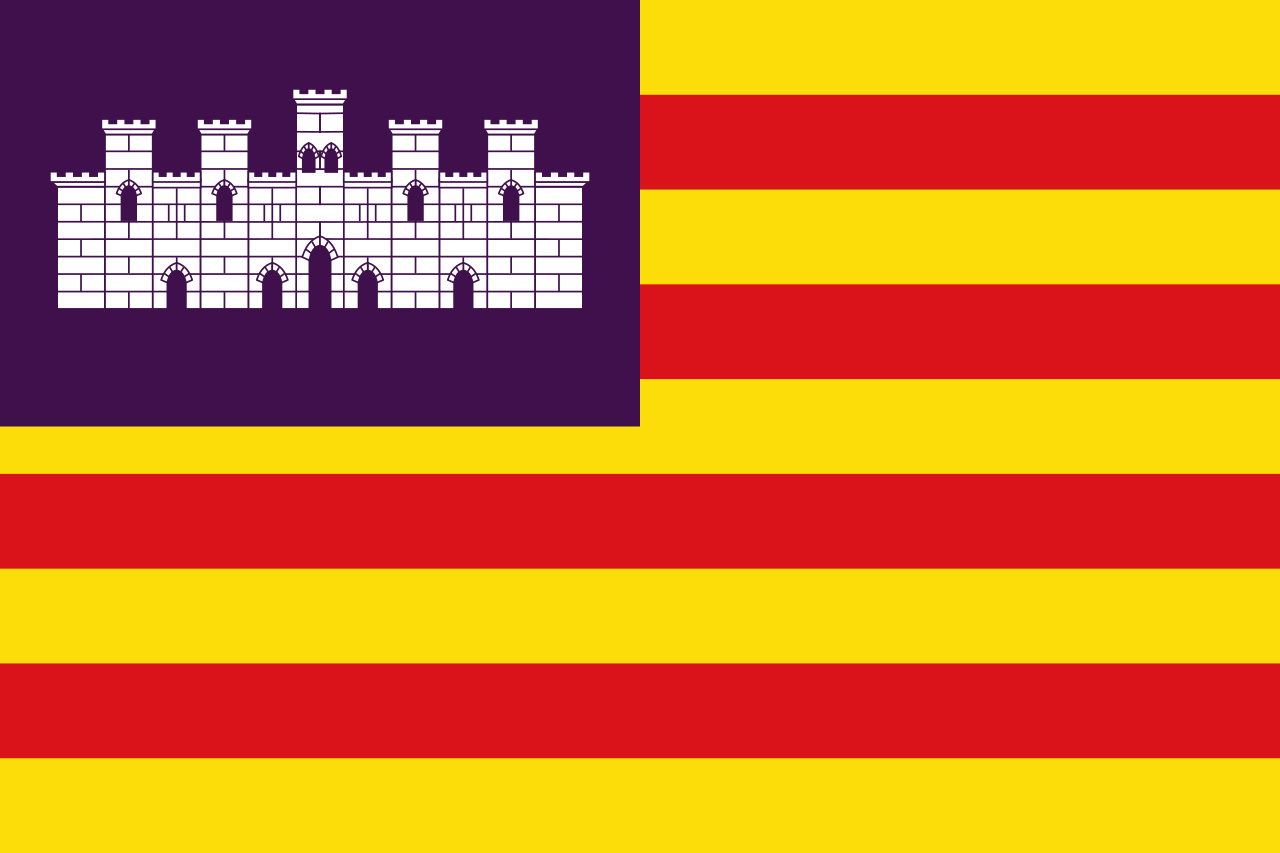
Balearic Islands


Geographical Tapestry and Mediterranean Influence
The Balearic Islands form a significant archipelago in the western Mediterranean Sea, strategically located near the eastern coast of the Iberian Peninsula. This geographical position has profoundly influenced their history, culture, and economy. The archipelago is administratively organized as a province and an autonomous community of Spain, with Palma de Mallorca serving as its capital and principal urban center.
Geographically, the islands are divided into two main island groups: the Gymnesian Islands to the east, comprising Mallorca and Menorca, and the Pityusic Islands to the west, encompassing Ibiza and Formentera, along with numerous smaller islets like Cabrera and Dragonera. This arrangement creates diverse microclimates and landscapes, from the mountainous Serra de Tramuntana in Mallorca to the flatter terrains of Menorca and Ibiza. The Mediterranean climate, characterized by hot, dry summers and mild, wet winters, is a defining feature, fostering rich biodiversity and making the islands a prime destination for tourism.
Historical Evolution
The history of the Balearic Islands is a long and complex narrative of settlement, conquest, and cultural exchange. Evidence suggests human presence dating back to the Neolithic period. Over millennia, the islands were occupied by various peoples, including Phoenicians, Romans, Vandals, Byzantines, and Moors, each leaving their mark on the islands' architecture, language, and traditions. The islands were incorporated into the Crown of Aragon in the 13th century and later formed the Kingdom of Mallorca.
In the 19th century, they were established as a Spanish province. A pivotal moment in their modern history was the granting of a Statute of Autonomy in 1983, which recognized their distinct identity and granted significant self-governing powers. This autonomy was further reinforced in the 2007 reform, which designates the Balearic Islands as one of Spain's nationalities, acknowledging their unique cultural and linguistic heritage, particularly the prevalence of Catalan alongside Spanish.
Cultural Identity and Socio-Economic Dynamics
The cultural landscape of the Balearic Islands is a fascinating fusion of Spanish and distinct island traditions. The official languages, Spanish and Catalan (with its local Balearic dialect), underscore this dual identity. While sharing many customs with mainland Spain, the islands possess unique festivals, music, and culinary practices.
Balearic cuisine, for instance, emphasizes fresh, local ingredients, with dishes like 'sobrassada' (a cured sausage) and 'ensaïmada' (a sweet pastry) being iconic. Economically, the archipelago is heavily reliant on tourism, which accounts for a substantial portion of its GDP and employment. Islands like Ibiza have gained international renown as a global hub for electronic dance music and nightlife, attracting millions of visitors annually and contributing significantly to the entertainment industry.
However, this reliance on tourism also presents challenges, including seasonal employment and environmental pressures, prompting efforts towards economic diversification and sustainable tourism practices.
Governance and Modern Relevance
As an autonomous community of Spain, the Balearic Islands possess a sophisticated system of governance. The Statute of Autonomy grants them legislative and executive powers in various areas, including education, culture, environment, and tourism. The regional parliament, the Parliament of the Balearic Islands, is responsible for creating laws, while the executive branch, led by the President of the Balearic Islands, implements them.
This decentralized model allows the islands to tailor policies to their specific needs and cultural context. The designation as one of Spain's nationalities reflects a recognition of their historical and cultural distinctiveness within the broader Spanish state. The islands' role as a major tourist destination also places them at the forefront of discussions on sustainable development, cultural preservation, and the economic impacts of globalization, making them a relevant case study in contemporary European regionalism and tourism management.
Education and Knowledge Dissemination
Education in the Balearic Islands operates under the framework of Spain's national education system, but with significant regional autonomy. The Balearic government is responsible for managing primary, secondary, and vocational education within the islands, adapting curricula to incorporate local history, culture, and the Catalan language. The University of the Balearic Islands (Universitat de les Illes Balears - UIB) is the primary institution of higher education, offering a range of undergraduate and postgraduate programs across various disciplines.
UIB plays a crucial role in research, particularly in fields relevant to the islands, such as marine biology, tourism studies, and Mediterranean history. The university also actively promotes the study and preservation of the Catalan language and culture. Educational initiatives often focus on fostering bilingualism and promoting environmental awareness, reflecting the unique characteristics and challenges of island life and its position within the Mediterranean.
Go deeper
Frequently Asked Questions
What are the Balearic Islands and where are they located?+
What is the capital city of the Balearic Islands?+
What languages do people speak in the Balearic Islands?+
Why are the Balearic Islands famous for music and nightlife?+
What kind of food is special to the Balearic Islands?+
Based on content from Wikipedia · Licensed under CC BY-SA 4.0