

Babe Ruth: The Home Run King!
Images
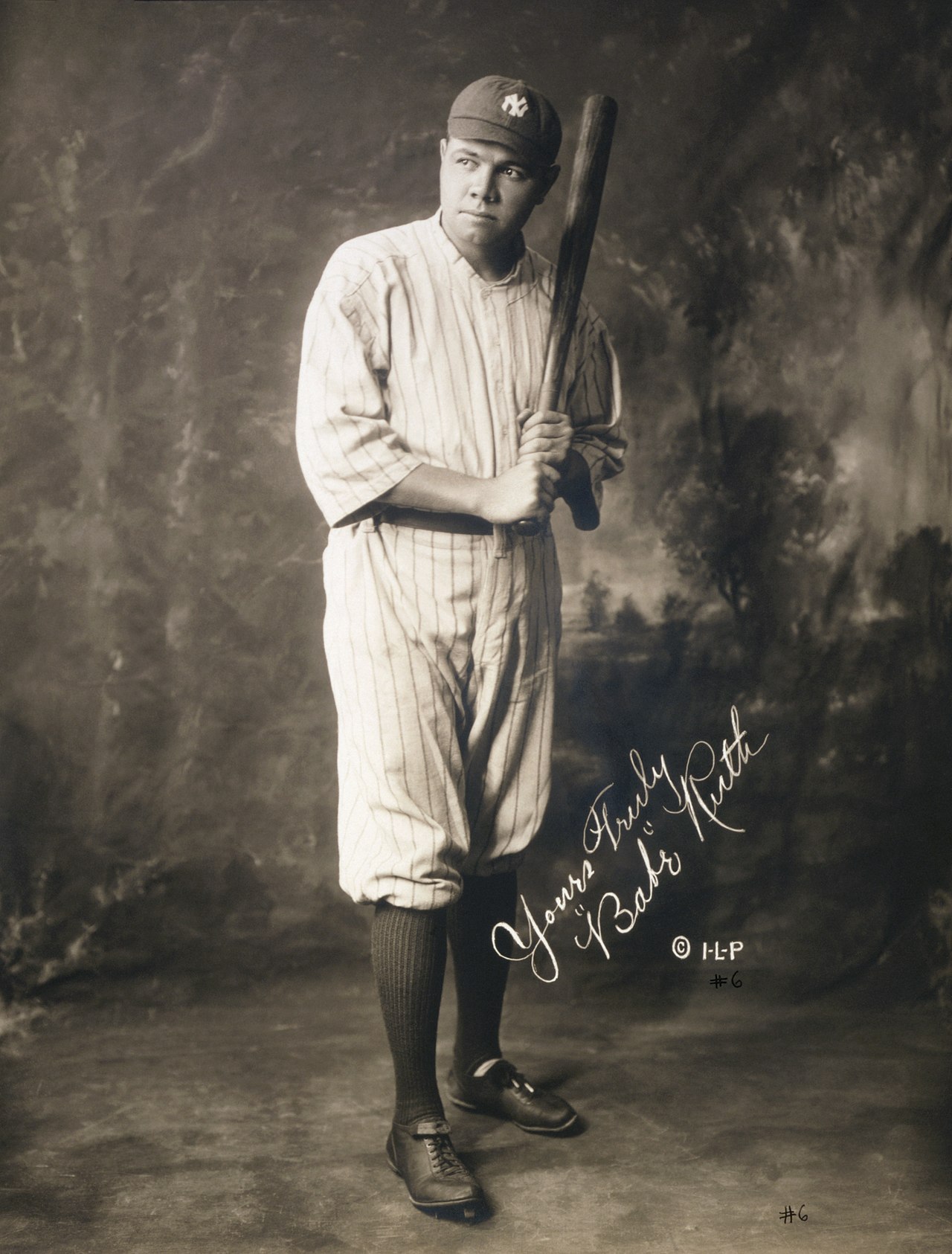
Babe Ruth
From Pitcher's Mound to Powerhouse Outfield
George Herman 'Babe' Ruth Jr. (born February 6, 1895, Baltimore, Maryland) emerged from humble beginnings to become arguably the most influential figure in American sports history. Initially gaining fame as a dominant left-handed pitcher for the Boston Red Sox, Ruth showcased remarkable control and a devastating curveball, setting records for consecutive scoreless innings. His pitching prowess, however, was overshadowed by his prodigious hitting ability.
Recognizing his potential to revolutionize the game, the Red Sox transitioned him to an outfielder. This strategic shift, coupled with his record-breaking sale to the New York Yankees in 1920, marked a pivotal moment. The Yankees, under owner Jacob Ruppert, paid an unprecedented $100,000 for Ruth, a sum that dwarfed previous player salaries and signaled the dawn of a new era in professional sports economics and player value.
The Home Run Revolution and Ruth's Records
Babe Ruth's career is synonymous with the home run, a feat he elevated from a rare occurrence to the game's premier attraction. He shattered existing records, culminating in a career total of 714 home runs, a mark that stood for nearly four decades and was more than double the previous record. His powerful, seemingly effortless swings captivated the nation, transforming baseball from a game often focused on strategy and singles into a thrilling spectacle of power.
Ruth's home runs were not just statistics; they were game-changers, often deciding crucial contests and igniting fan enthusiasm. He led the Yankees to seven World Series championships, fundamentally altering the offensive strategies and expectations within the sport, inspiring a generation of hitters to prioritize power.
Beyond the Diamond
Ruth's impact extended far beyond the baseball field, making him a genuine cultural icon during the Roaring Twenties and beyond. His larger-than-life persona, characterized by his booming voice, infectious laugh, and penchant for lavish living, resonated with the American public. He embodied a spirit of exuberance and excess that mirrored the era.
Despite his sometimes controversial off-field behavior, including a well-documented love for food and drink that impacted his health, Ruth maintained an unparalleled connection with fans, particularly children. His charisma and accessibility made him a beloved figure, transcending racial and social divides, and solidifying his status as a national hero whose fame rivaled that of politicians and movie stars.
Enduring Legacy and Historical Significance
Babe Ruth's final major league game was in 1935, and he passed away on August 16, 1948. His death was mourned nationwide, underscoring his profound cultural significance. In 1936, he was rightfully enshrined as one of the inaugural inductees into the National Baseball Hall of Fame, a testament to his unparalleled career.
His record of 714 home runs remained unbroken until Hank Aaron surpassed it in 1974, a testament to Ruth's enduring dominance. Ruth's legacy is not merely in his statistics but in his fundamental reshaping of baseball's appeal and strategy. He transformed the game into a power-driven spectacle, influencing player development, fan engagement, and the very narrative of America's pastime, solidifying his place as a pivotal figure in 20th-century American culture.
Go deeper
Frequently Asked Questions
What made Babe Ruth famous in baseball?+
Why did Babe Ruth switch from pitcher to outfielder?+
How many home runs did Babe Ruth hit in his career?+
When did Babe Ruth play his last game and when did he die?+
Why is Babe Ruth considered a cultural icon?+
Based on content from Wikipedia · Licensed under CC BY-SA 4.0