

Avellana
Images
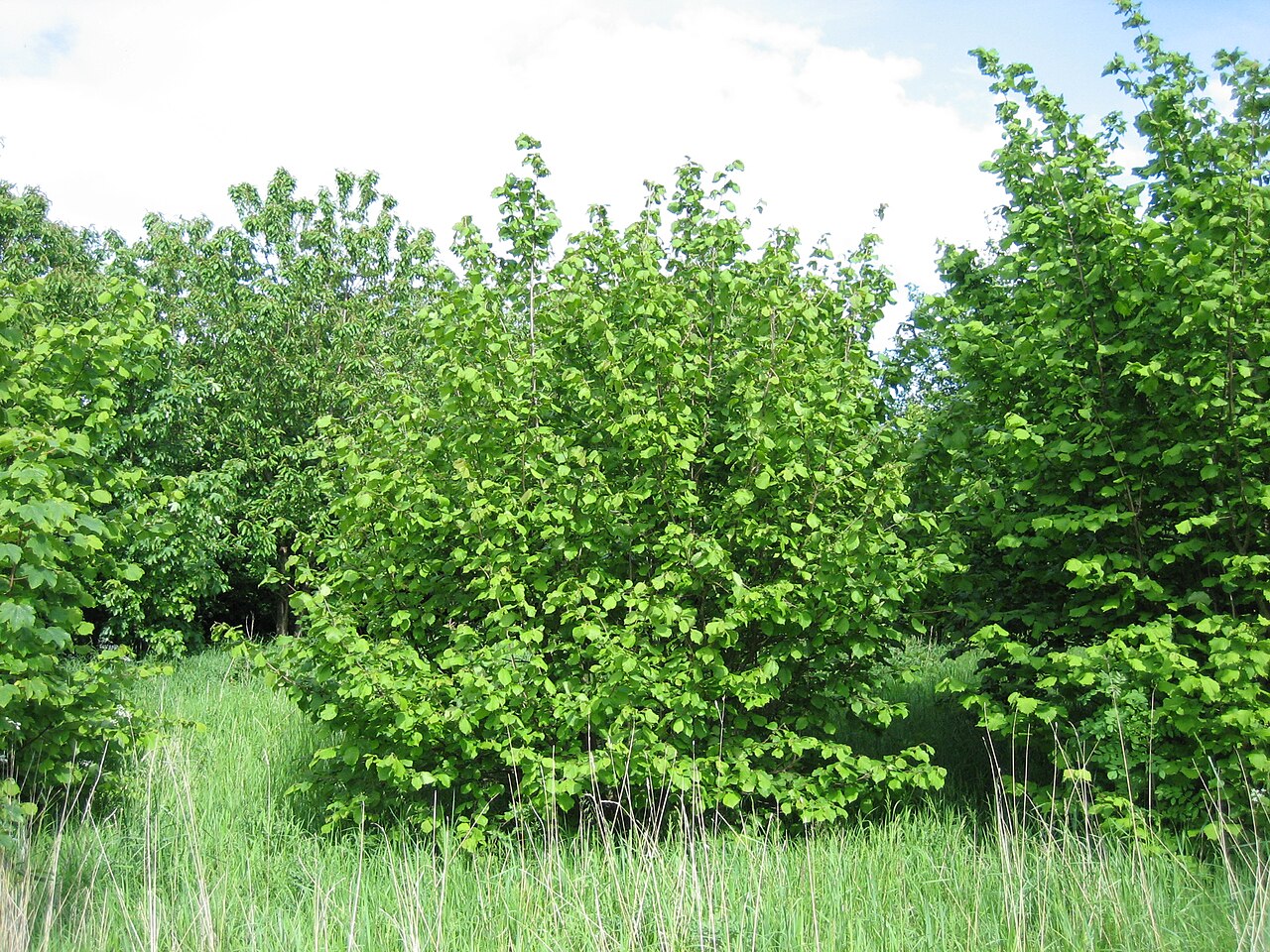
Corylus avellana shrub


Morphology and Habitat Preferences of Avellana
The Avellana, belonging to the class Gastropoda, is characterized by its distinctive coiled shell, typically measuring between 2 to 3 centimeters in length. This calcareous structure, primarily composed of calcium carbonate, serves as both protection and a home for the mollusk. The shell's growth is incremental, reflecting the organism's life history.
Avellana species are predominantly found in shallow, subtidal coastal zones, favoring environments with soft substrates such as sand and mud. Their distribution is concentrated in the Mediterranean Sea and extends into certain regions of the Atlantic Ocean. These habitats are crucial, offering a balance of food availability and refuge from predation.
The health of Avellana populations can serve as an indicator of the overall condition of these coastal marine ecosystems, as they are susceptible to anthropogenic impacts like pollution and habitat destruction.
Dietary Adaptations and Feeding Mechanisms
As an omnivorous species, the Avellana exhibits a flexible feeding strategy that contributes to its ecological niche. Its diet primarily consists of benthic microalgae, which it efficiently harvests using a specialized feeding apparatus known as a radula. This unique structure, a chitinous ribbon lined with numerous microscopic teeth, allows the snail to scrape food particles from surfaces.
In addition to algae, the Avellana also consumes small invertebrates and organic detritus found within the sediment. This feeding behavior plays a role in nutrient cycling and sediment bioturbation within its habitat. By processing organic matter and controlling algal growth, the Avellana contributes to the ecological balance of the seabed, preventing overgrowth and aiding in decomposition processes.
The Avellana's Role in Habitat Provision and Biodiversity
Beyond its direct ecological functions, the Avellana makes a significant indirect contribution to marine biodiversity through its abandoned shells. Once a shell is no longer occupied by its original inhabitant, it becomes a valuable microhabitat for a variety of smaller organisms. These empty shells offer shelter and substrate for sessile invertebrates, small crustaceans, and other gastropods, thereby increasing the structural complexity of the seabed.
This phenomenon, known as 'recycled habitat,' is vital in environments where natural hard substrates might be scarce. The presence of these occupied shells supports a more diverse community of organisms, enhancing the overall resilience and richness of the coastal ecosystem. Thus, the life cycle of the Avellana indirectly fosters a greater abundance and variety of life.
Conservation Considerations and Future Research
While specific conservation statuses for many Avellana species are not widely detailed, their reliance on sensitive coastal habitats makes them vulnerable to environmental changes. Pollution, coastal development, and climate change can all negatively impact their populations and the availability of suitable habitats. Further research into the population dynamics, genetic diversity, and specific ecological requirements of different Avellana species is essential for effective conservation strategies.
Understanding their role in providing recycled habitats and their sensitivity to environmental stressors can inform marine protected area management and coastal zone planning. Protecting these seemingly small organisms is integral to maintaining the health and biodiversity of our planet's vital coastal marine environments.
See also
Frequently Asked Questions
What is an Avellana?+
Where does an Avellana live?+
How does an Avellana eat its food?+
Why are Avellana shells important for other sea creatures?+
How can we help protect Avellana and their homes?+
Based on content from Wikipedia · Licensed under CC BY-SA 4.0